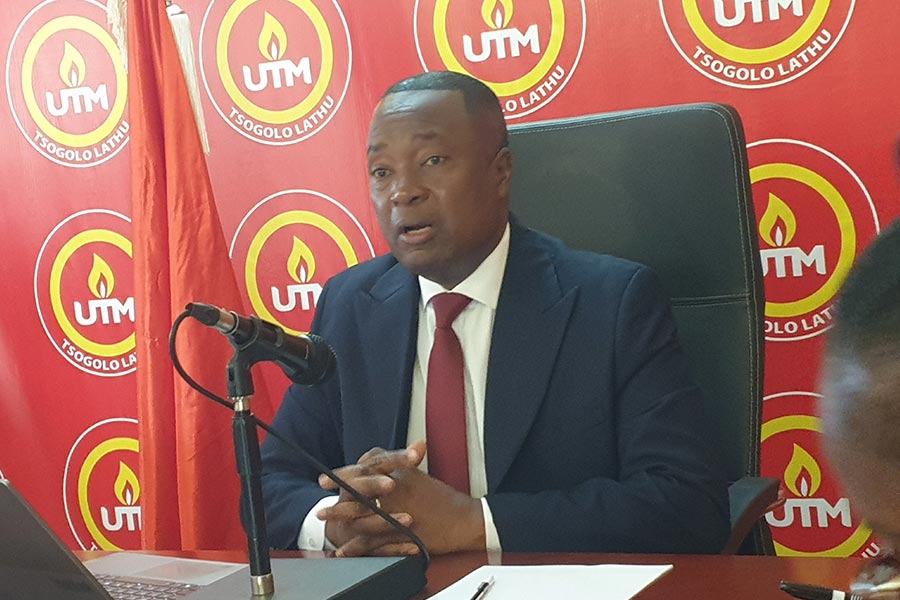








FDH Bank plc has boasted of strong financial performance for the 2025 financial year, posting a profit after tax of K147.796 billion from K74.063 billion in 2024.

FDH Bank plc has boasted of strong financial performance for the 2025 financial year, posting a profit after tax of K147.796 billion from K74.063 billion in 2024.

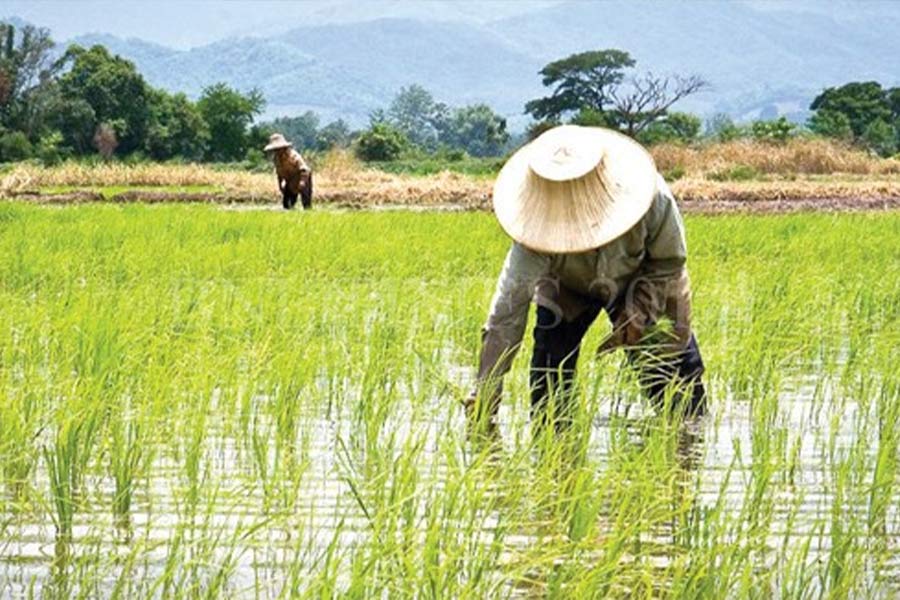
What was once hailed as Malawi’s next economic breakthrough has, for many farmers, turned into a costly illusion.
In 2021, cooperatives across the country plunged into industrial hemp farming, lured by promises that the crop—dubbed “green gold”—would rival tobacco as a top foreign-exchange earner.
With projections of up to $700 million in annual revenues, hope spread quickly from policy rooms to rural fields. For thousands of smallholder and commercial farmers, it seemed like a rare chance to escape the volatility of traditional crops and poverty.
Just a few seasons later, that promise lies in ruins.

Malawi’s agriculture sector is set for transformation as Zortrax Honey Malawi rolls out an ambitious beekeeping initiative targeting one million farmers, a move expected to boost rural incomes and strengthen the country’s export-driven economy.

The International Institute of Tropical Agriculture has launched Africa’s first soybean speed breeding facility in Zambia, marking a major breakthrough in efforts to accelerate crop improvement and strengthen food systems across the region.
Soybean has emerged as one of the most strategic crops in Sub-Saharan Africa, supporting nutrition, livestock feed, and agro-industrial development.
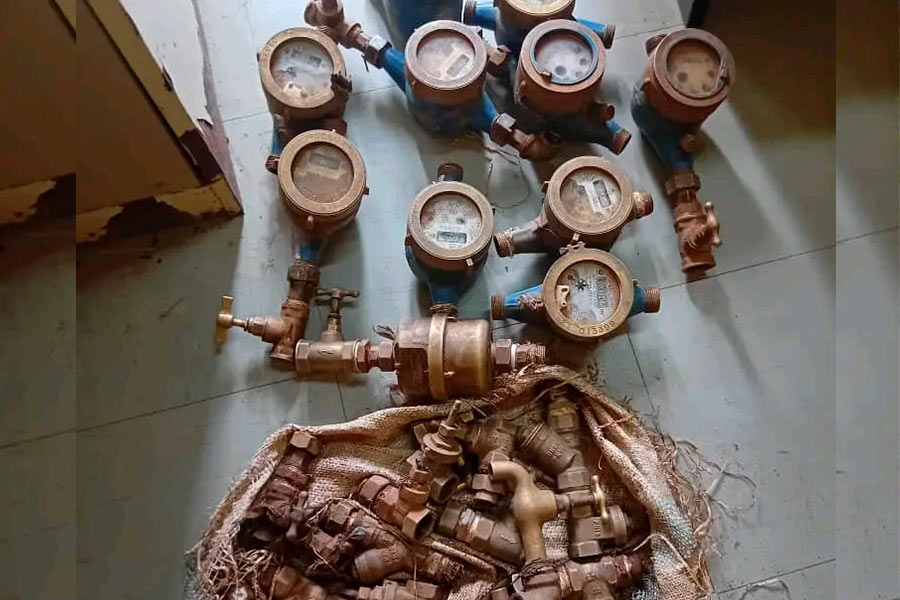
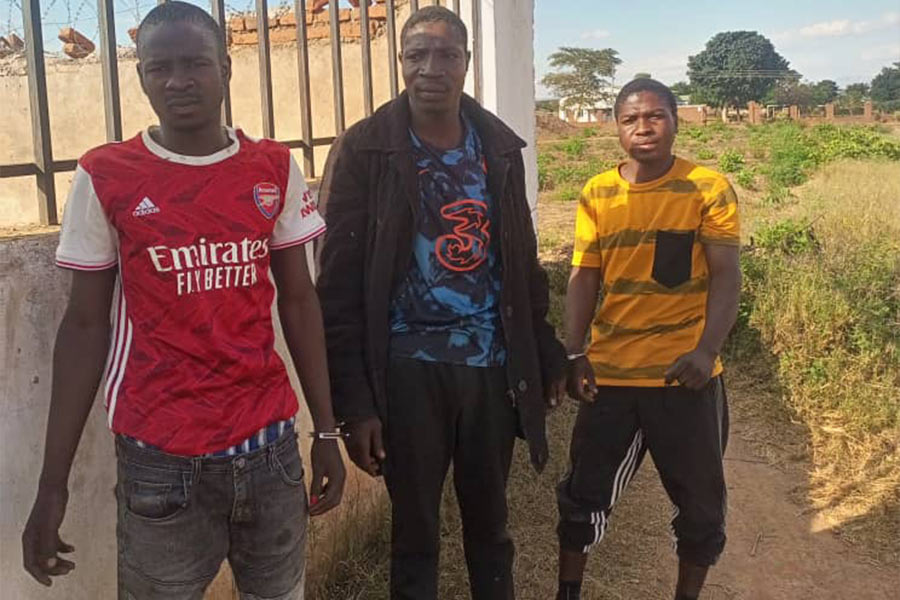
Malawi is facing rampant theft of utility equipment, such as water board meters, more than ever before.
Members of the community are turning to any metal they see, vandalizing it or stealing it to sell at scrap metal markets found in almost every corner of the towns.
The majority of those selling scrap metal are children.
Despite this, Malawi has an act that prohibits scrap metal dealers from purchasing metals from children under the age of 14.
However, this law is outdated and not being enforced.
While Malawi continues to procrastinate on implementing proper regulations, it is the water boards and communities that are suffering.
Page 2 of 18