


















ZODIAK ONLINE
ArtBridge House, Area 47
Sect. 5, P/Bag 312
Lilongwe, Malawi
Sect. 5, P/Bag 312
Lilongwe, Malawi

Agriculture experts have advised farmers to diversify their crop production by growing drought-resistant crops such as sorghum, millet, cassava, sweet potatoes, and pigeon peas alongside staple crops as the rainy season approaches amid growing concerns over El Niño weather conditions.
Civil Society Agriculture Network (CISANET) National Director, Elizabeth Mnenula Namaona, said that while farmers are being encouraged to adopt climate-resilient crops, no crop is entirely immune to climate-related shocks.
She stressed that cultivating a variety of crops with different characteristics and maturity periods remains the best strategy for achieving food security during El Niño conditions.
She said: "Duty bearers have a role in educating farmers to make informed decisions regarding the selection of seeds and crops to plant this growing season. With the threat of El Niño, many indigenous crops can form an important part of the solution.
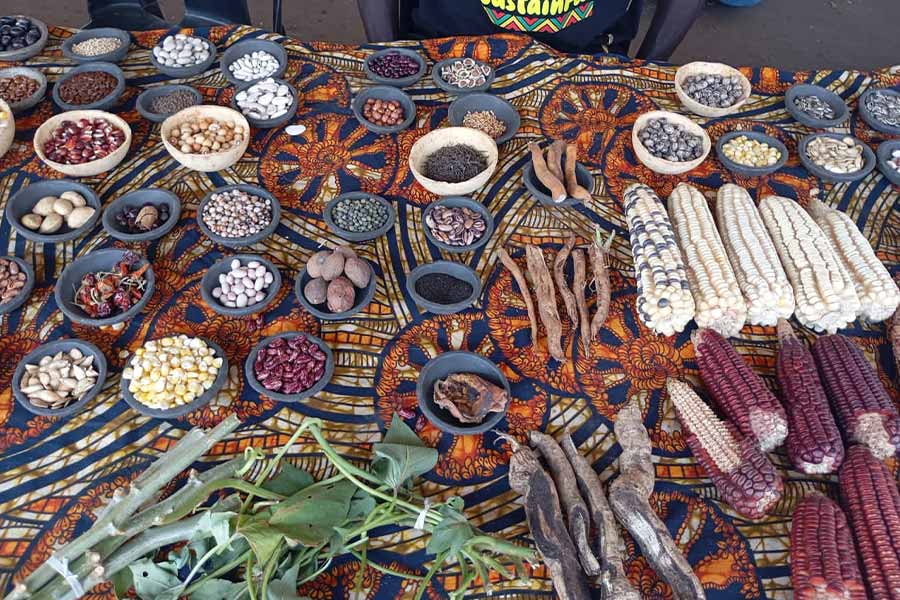
“Many indigenous and locally adapted crops have evolved or been cultivated under local conditions for generations. As a result, some are better able to withstand drought, poor soils, short growing seasons, and unpredictable rainfall than crops that require more water or highly specific growing conditions."
However, Namaona noted that despite efforts to promote climate-resilient and indigenous crops, insufficient attention has been given to commercialising them. She emphasized the need to create stronger market demand for such crops.
"The Ministry of Agriculture should ensure access to high-quality seeds of locally suitable varieties. These crops should not be viewed as crops for difficult times only, but as key components of Malawi's food, nutrition, and climate resilience strategy.
“They can contribute to dietary diversity, reduce dependence on a narrow range of crops, and, where markets are developed, provide additional sources of income for farmers," she added.
Concurring with Namaona, agricultural expert Tamani Nkhono-Mvula said that as the rainy season approaches, farmers should be encouraged to plant early-maturing and drought-tolerant crops and to begin planting as soon as conditions allow.
"Drought-tolerant crops, whether indigenous or not, should be considered during the upcoming growing season if we are to safeguard food security. Although these crops are not traditional staples in Malawi, farmers need to be encouraged to embrace change during challenging times such as these," he said.
Commenting on the matter, Ministry of Agriculture Chief Agriculture Officer Dinala Zalinga said the ministry has put in place various measures aimed at ensuring food security, recognising that rainfall patterns and growing conditions will vary across districts.
She added, “Our approach is to promote area-specific and climate-smart agricultural interventions rather than applying a uniform recommendation across the country. We are largely relying on seasonal climate forecasts from the Department of Climate Change and Meteorological Services, which indicate that several areas, particularly in the Central and Southern regions, may experience normal-to-below-normal rainfall during the season."
Zalinga disclosed that the ministry, in collaboration with the Department of Disaster Management Affairs (DoDMA), has developed an El Niño response plan and budget for the 2026/27 period and is currently mobilising resources for its implementation.
The Malawi National Agriculture Policy 2024 recognises the importance of strengthening farmers' resilience through the promotion of indigenous crops, community seed banks, locally available farming inputs, and sustainable crop production practices.