






ZODIAK ONLINE
ArtBridge House, Area 47
Sect. 5, P/Bag 312
Lilongwe, Malawi
Sect. 5, P/Bag 312
Lilongwe, Malawi

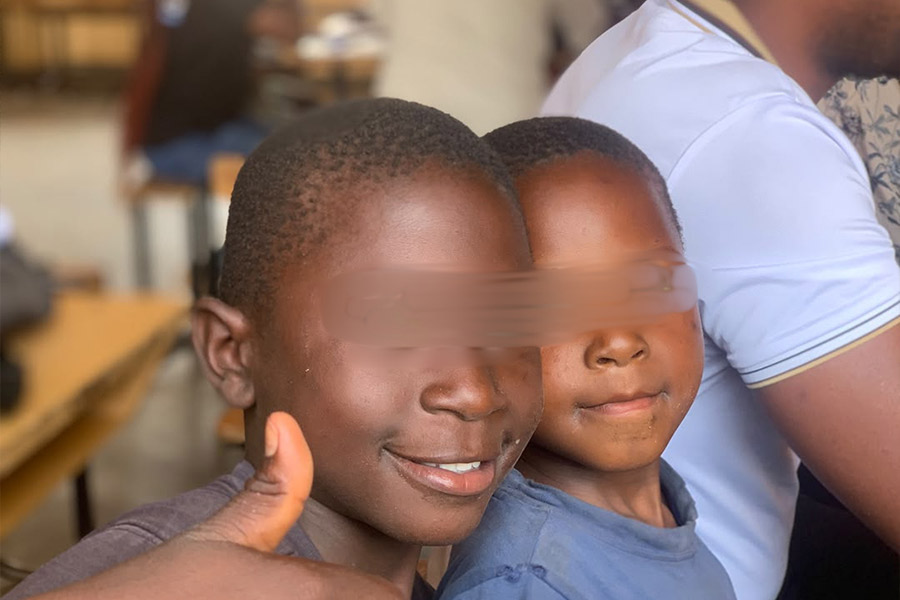
Nelesi (not her real name) is a Standard Four dropout.
Like many children, Nelesi once dreamed of becoming a police officer and helping maintain law and order in her community. But life on the streets has overshadowed that dream.
At just 12 years old, her future is slowly slipping away on the streets of Mchinji, a border district.
Today, she survives by collecting and selling plastic bottles. The street has become her home.
She narrates: "My mother is yet to secure a permanent residence. Together, we sleep in one of the restaurants around the boma. I dropped out of school since my mother cannot afford to support my educational needs."
According to Nelesi, older men take advantage of young girls living on the streets, sexually abusing them by enticing them with money.
Eleven-year-old Chifundo (also not his real name) faces a similar predicament. Like Nelesi, he once dreamed of becoming a police officer. But instead of pursuing his education, he has become a victim of physical violence and other forms of abuse on the streets.
He said: "While collecting plastic bottles, older boys beat us and snatch both the bottles and food. They even insult our mothers. At home, I do not have enough clothes to go to school. I only have three items of clothing: a T-shirt, a pair of shorts, and a pair of trousers."
Despite the hardships they endure, both Chifundo and Nelesi share one wish: to return to school. They say that with support to buy school uniforms, bags, exercise books, and other learning materials, they can still pursue their dreams of becoming police officers.
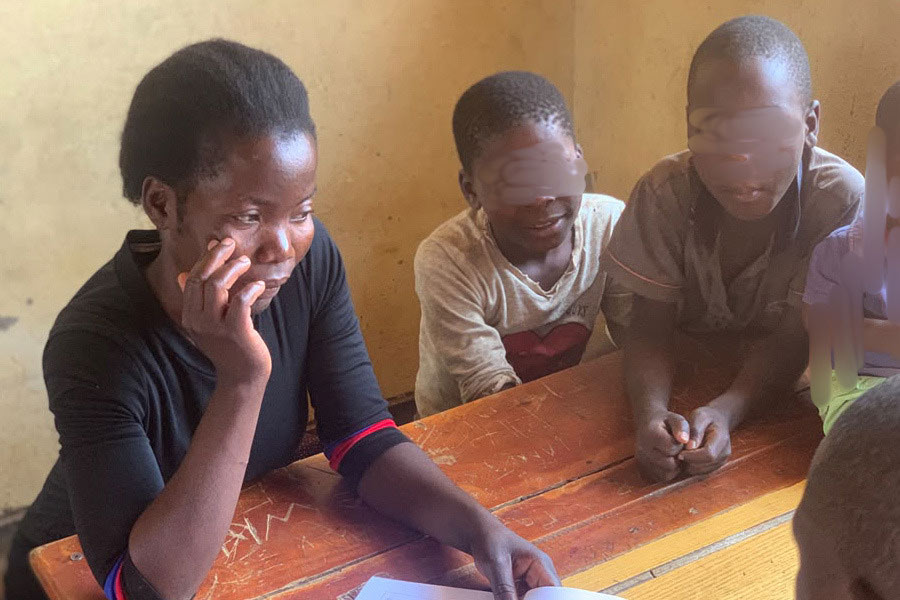
Their stories are echoed by Ireen Nedson, an elderly woman from Robert 1 Village in the area of iNkosi Zulu in Mchinji District. Nedson said her four grandchildren have lived on the streets for years after their parents abandoned them and disappeared to an unknown location.
"I look after my four grandchildren, and whenever I leave home for piecework, the children go into the streets looking for food. We need financial support to address their daily needs. Their lives are in danger," said Nedson.
Reaching and tracking these children is not easy, says community change agent Lydia Chiumba, who works with the International Organization for Migration (IOM) in Mchinji. She noted that the children's movements are constantly changing.
"Many of the children come from broken families and communities affected by extreme poverty and food insecurity along the Malawi–Zambia border," she said, adding that others are children of sex workers who struggle to provide for them.
Mchinji Police Station Child Protection Desk Officer Joseph Kapenda said children living on the streets are highly vulnerable to criminal activities and exploitation.
"The situation is alarming, and urgent interventions are needed to protect the children from abuse and other human rights violations," said Kapenda.
Child rights activist Davis Damson, Team Leader for CISE Malawi in the district, warned that the growing number of street-connected children is a ticking time bomb. Damson stressed that these children are not criminals, but victims of a failing child protection system.
He said: "Girls living on the streets face a heightened risk of sexual abuse, while boys are more likely to be recruited into criminal activities."
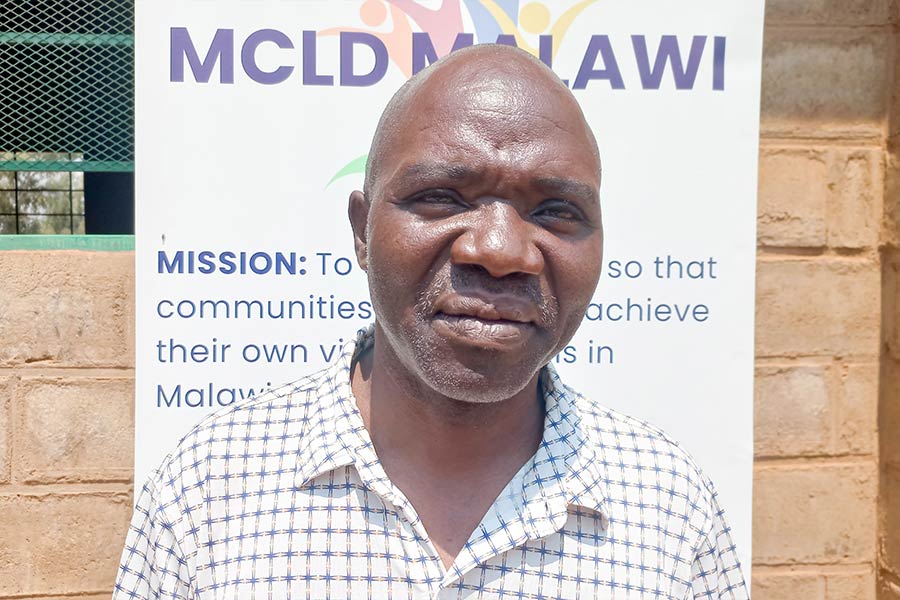
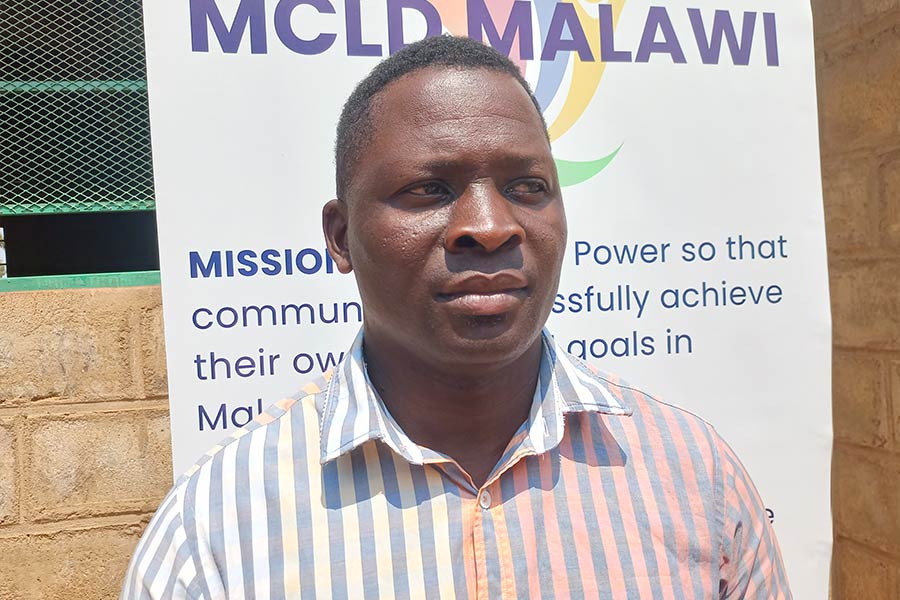
Brighton Masiyano, Regional Coordinator for the Central Region at the Movement for Community-Led Development (MCLD) Malawi, emphasized that providing vulnerable children with financial and social support is critical to addressing the problem. Masiyano noted that many children end up on the streets due to parental neglect, poverty, and family breakdowns.
Enock Bonongwe, Director of Social Welfare in the Ministry of Gender, Children, Disability and Social Welfare, stated that available data shows about 88 percent of children living on the streets have parents or guardians, while only 12 percent require alternative care arrangements.
He explained that the government, in collaboration with district councils and other stakeholders, is currently implementing the National Strategy for Street-Connected Children.
According to Bonongwe, the strategy strengthens the capacity of social workers on proper procedures for withdrawing children from the streets, assessing their needs, and safely reintegrating them into their families and communities.
But for children like Nelesi and Chifundo, time is running out.
In 2019, the Office of the Ombudsman found that the government's failure to remove children from the streets violated their rights and exposed them to exploitation, abuse, and criminal activities.
Years later, the situation remains largely unchanged. Across Mchinji and other districts, children continue to call the streets home, surviving one day at a time while their hopes for a better future fade away.
Yet behind every child on the street is a dream waiting to be rescued.
Many of these children want nothing more than to return to school, rebuild their lives, and become productive members of society. For Nelesi and Chifundo, that dream is simple: to wear a police uniform one day and serve their communities.
Their voices are not asking for sympathy—they are calling for action.
As the number of children on the streets continues to grow, one question remains:
How many more childhoods will be lost before that action comes? The time to act is now!