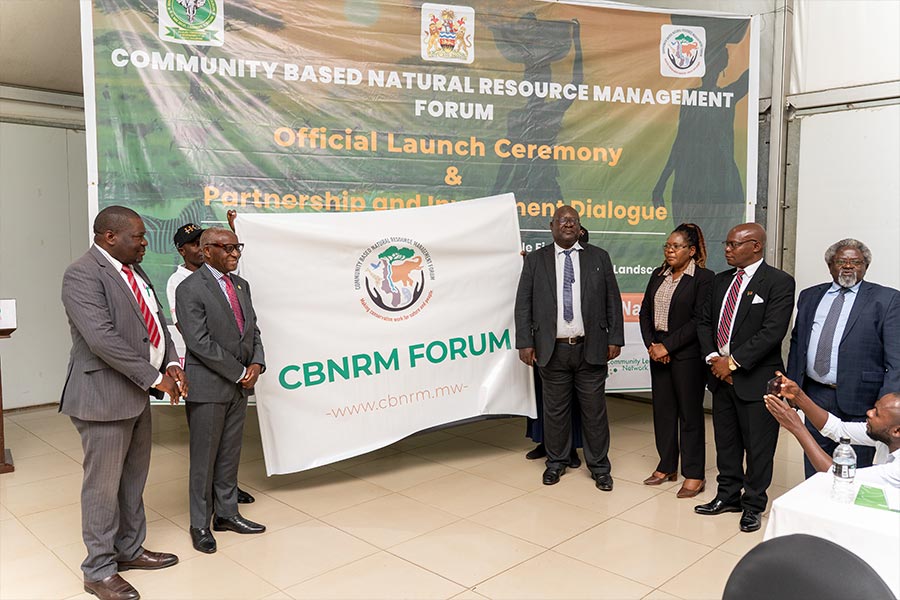
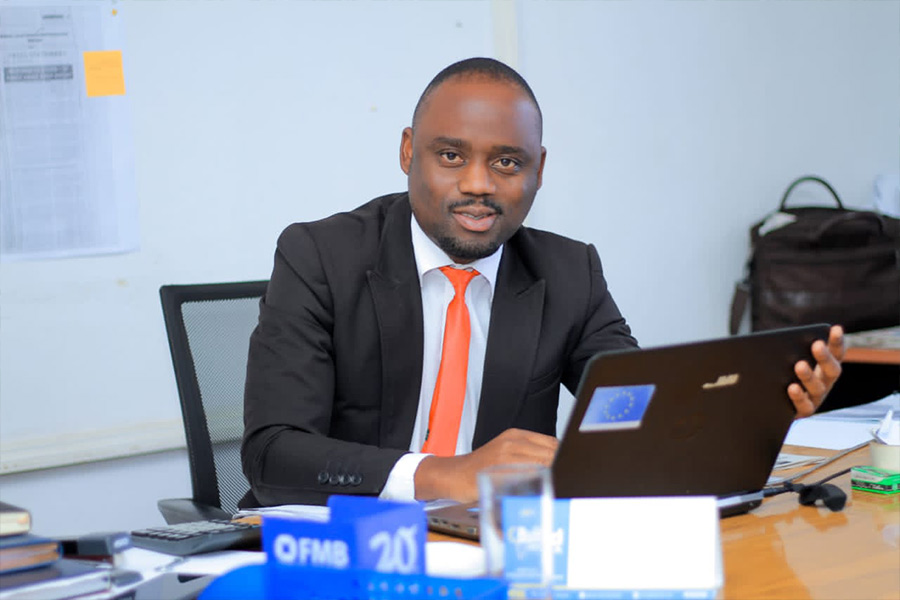
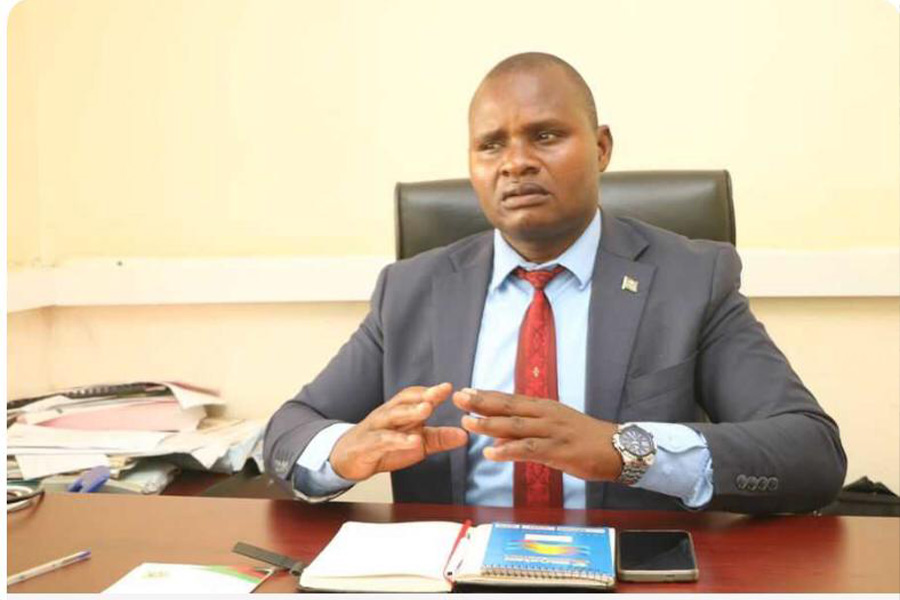
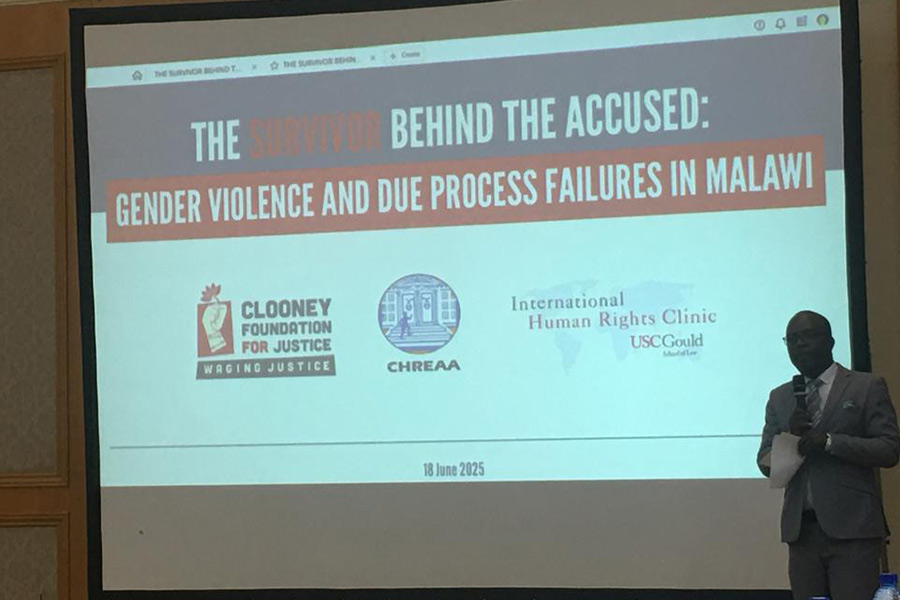
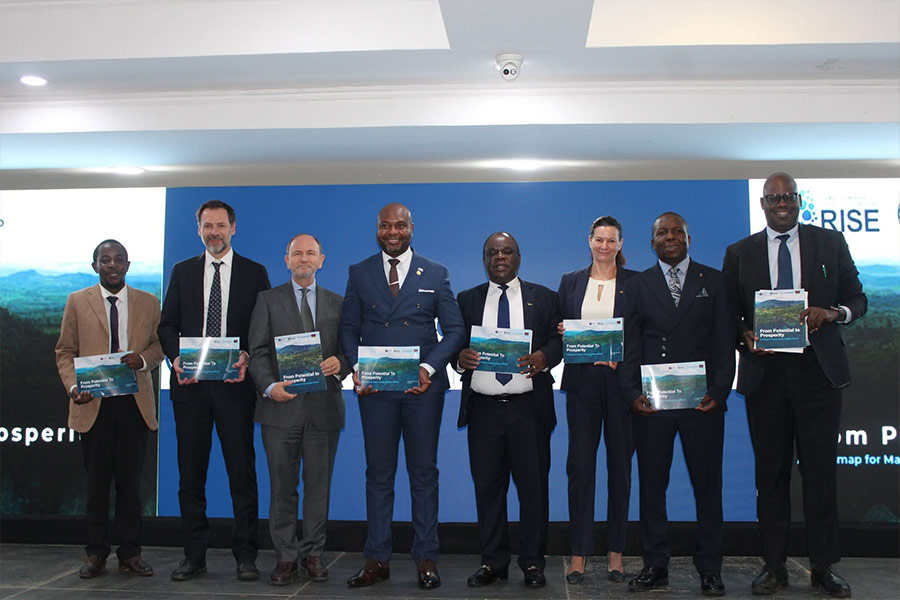
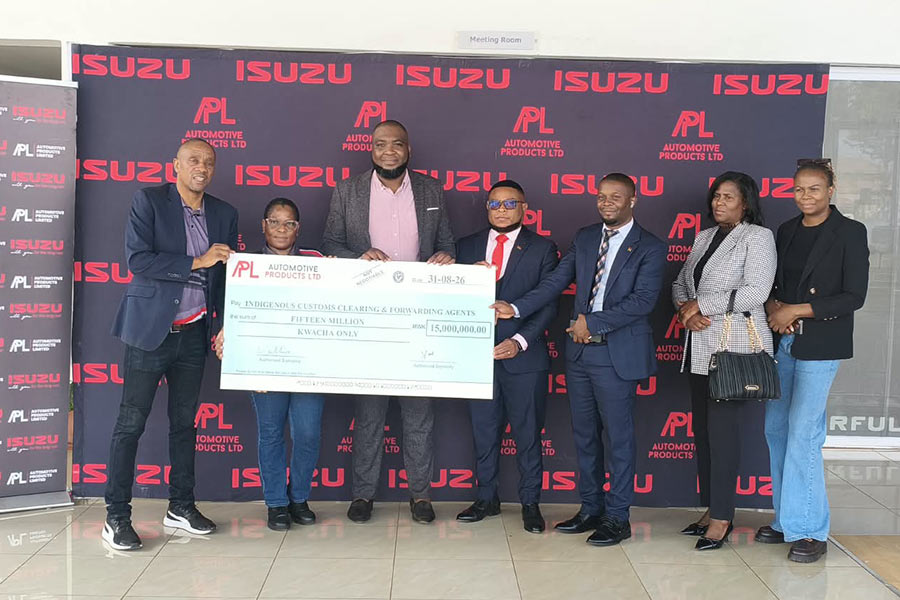

An elective conference for the Political Science Association (PSA) took place in Salima on 26 and 27 September 2025.

An elective conference for the Political Science Association (PSA) took place in Salima on 26 and 27 September 2025.
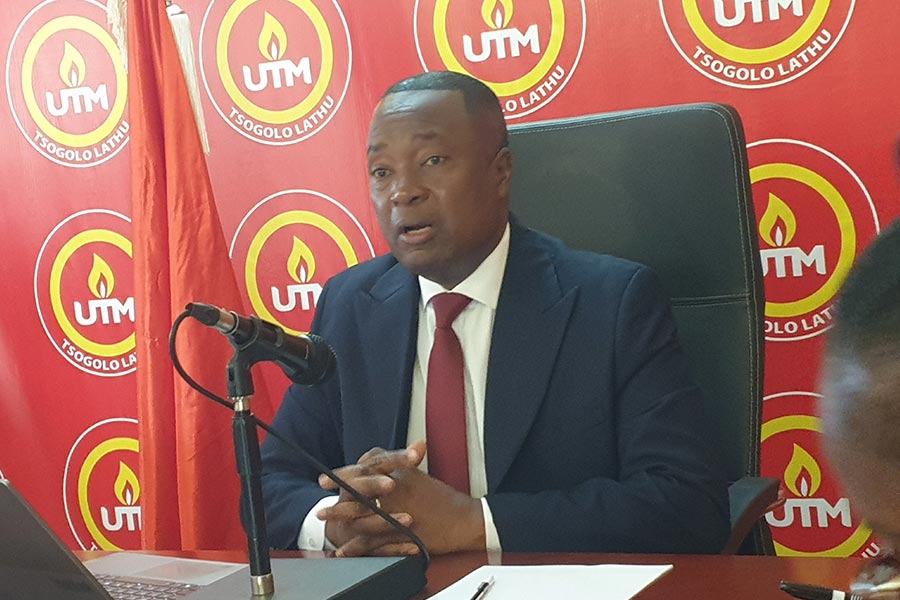
UTM President Dalitso Kabambe has called on the government to reverse the recently approved 100 percent tuition fee increase for public universities, arguing that the decision will place higher education beyond the reach of many students from poor families.
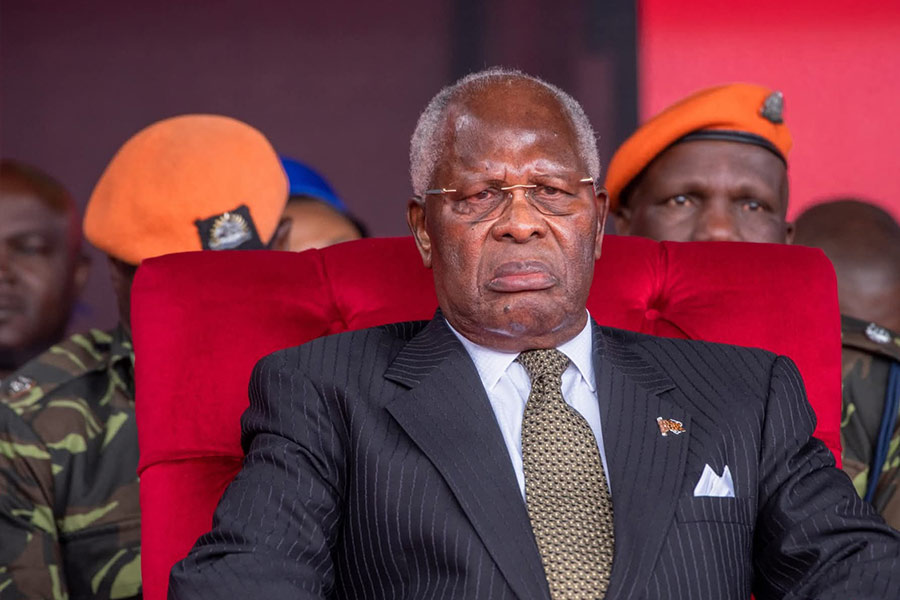
As Malawi marks 62 years of independence this July 6, current and former presidents have called for renewed efforts to achieve economic transformation, saying political freedom must now be matched by lasting economic independence.
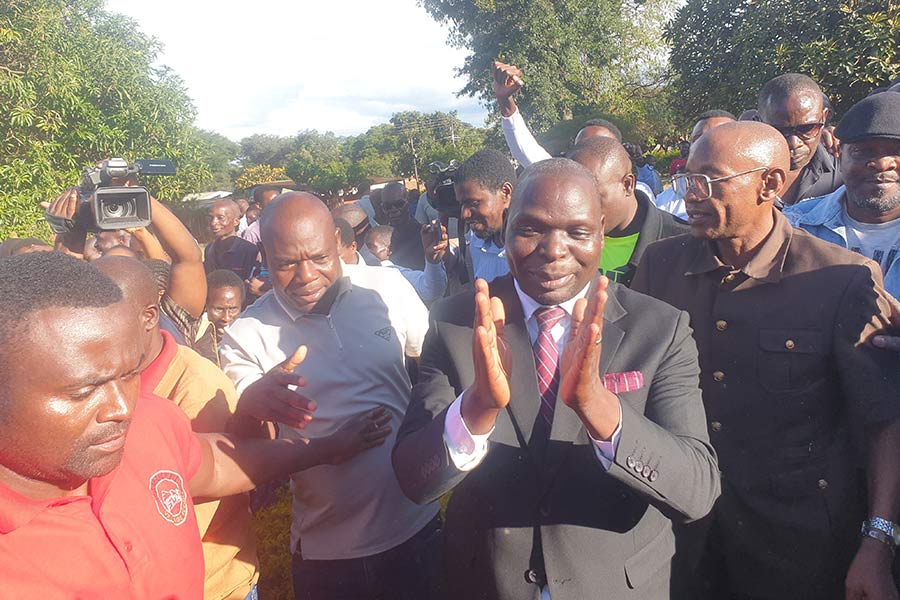
The Lilongwe Principal Resident Magistrate’s Court has granted bail to former Finance Minister Simplex Chithyola Banda in an abuse of office case linked to a fertilizer-for-soya barter deal involving Romanian firm East Bridge.
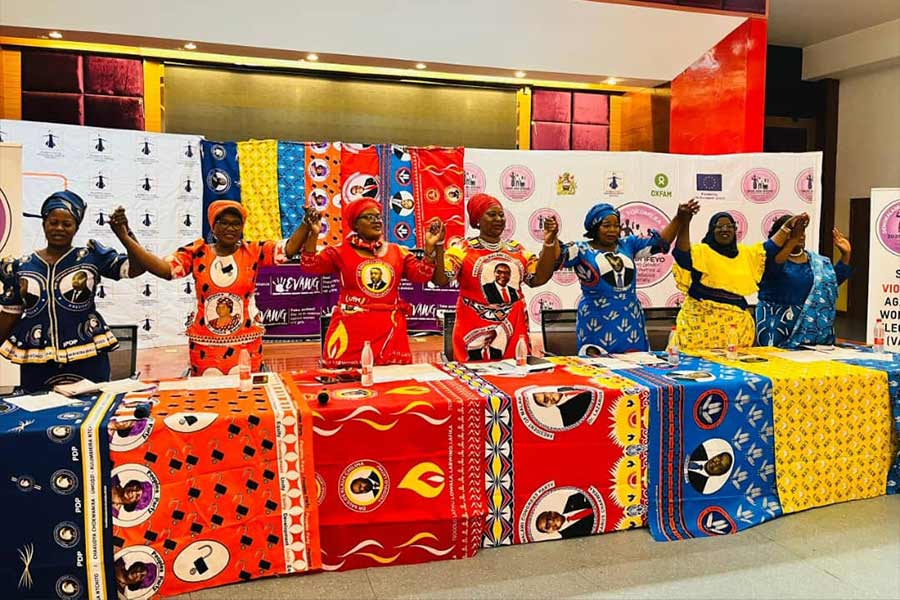
The seventh Malawi's multiparty general election in 2025, exposed a persistent pattern of exclusion, a rooted political system that rewards money, incumbency, and male networks more than merit inclusion, frustrating women's ability to climb the ladders of power.
The ratification of the Convention on the Elimination of All Forms of Discrimination Against Women (CEDAW), the Maputo Protocol, and the Southern African Development Community's Protocol on Gender and Development, all calling for equal participation in decision-making structures, show that the country has strong commitments only on paper, but weak on the ground.
Electoral stakeholders say the 16 September, 2025 general election was historic, not only for its competitiveness but also for its revelation about the state of women's political participation in the country.
Our reporter Franklin Mtambalika is posing a question; From the 1994 multiparty election to date, has the country's politics demonstrated what it takes to embrace gender equality and inclusion?
Page 1 of 28