





ZODIAK ONLINE
ArtBridge House, Area 47
Sect. 5, P/Bag 312
Lilongwe, Malawi
Sect. 5, P/Bag 312
Lilongwe, Malawi

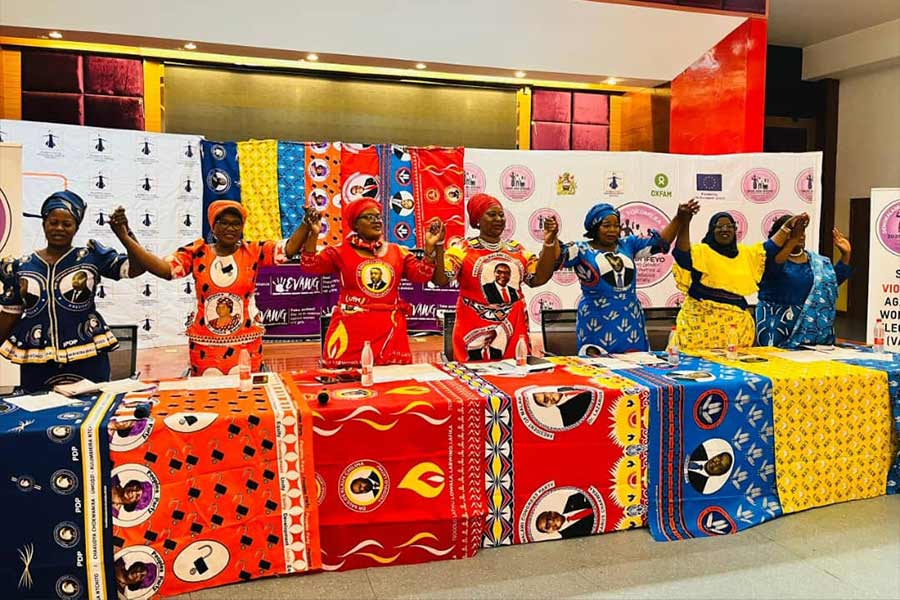
The seventh Malawi's multiparty general election in 2025, exposed a persistent pattern of exclusion, a rooted political system that rewards money, incumbency, and male networks more than merit inclusion, frustrating women's ability to climb the ladders of power.
The ratification of the Convention on the Elimination of All Forms of Discrimination Against Women (CEDAW), the Maputo Protocol, and the Southern African Development Community's Protocol on Gender and Development, all calling for equal participation in decision-making structures, show that the country has strong commitments only on paper, but weak on the ground.
Electoral stakeholders say the 16 September, 2025 general election was historic, not only for its competitiveness but also for its revelation about the state of women's political participation in the country.
Our reporter Franklin Mtambalika is posing a question; From the 1994 multiparty election to date, has the country's politics demonstrated what it takes to embrace gender equality and inclusion?
Before the transition to multiparty democracy in 1993, women’s contribution to parliament was just barely 3 percent of parliament with only two serving as cabinet ministers.
The 1994 Constitution promised equality, but without enforcement mechanisms, women competed on an uneven field.
Since the first multiparty democracy women's representation in parliament has fluctuated in a cycle of hope and reversal.
5.6 percent in 1994, 9.3 percent in 1999, 14 percent in 2004, a rise to 22 percent in 2009 following heavy investment under the 50:50 campaign, then a decline to 16.7 percent in 2014, recovery to 23 percent in 2019 and another drop to 21 percent in 2025's general election.
Among the 17 presidential candidates who contested in the 2025 general election, only one was a woman, Dr. Joyce Banda of Peoples Party. Nine women appeared as running mates, a seemingly progressive trend that in reality reflects the continued reality that in Malawi women are accepted as deputies but not as principal leaders.
In the parliamentary contest, 331 women, 22.4 percent of the total, stood as candidates for election.
At the local level female councilor candidates fell sharply from 24 percent in 2019 to 17.8 percent 17 percent in 2025.
This decline came despite major investments by civil society and women's rights organizations in candidate training, mentorship, civic education and financial assistance to boost women's competitiveness.
After the votes were counted Peter Mutharika of the Democratic Progressive Party (DPP) returned to power alongside Dr. Jane Ansah as vice president.
In parliament women secured 48 of 229 seats, a slight increase from 45 of 193 in 2019.
Sakina Salim Chingomanje is a four-time candidate for Salima under the Malawi Congress Party (MCP) who is yet to make it to parliament and laments her story.
“Those who failed primary elections stood again as independent candidates thereby dividing the votes from our electorates. Women from this constituency have got that cultural mind-set that women cannot do it. This time around we had organisations that came to support us, but you know men have different tactics, I don’t know! But we tried our best.” Said Chingomanje.
Another candidate Lucy Ndatira Mkandawire stood on the United Democratic Front (UDF) for the Karonga Nyungwe parliamentary election in the 2025 elections.
Mkandawire attributes her bad luck to limited resources.
Mkandawire said “I was the only female candidate who vied for that post, competing with three men. When we compared the results, I was the least liked if I can put it in that way, because my contenders got 6000 plus votes while I got 333 votes. It shows that I lacked financial capacity as the male counterparts had money and managed to take care of the people's needs during the campaign period.”
In its final 2025 long-term observation general election report, the National Initiative for Civic Education (NICE) Public Trust says women, youth and persons with disabilities remained significantly under-represented as candidates.
The Trust's chief executive officer Grey Kalindekafe attributes this to lack of reforms and regulations for implementing the Gender Equality Act.
“A lot of primary elections were not done in a transparent manner. Instead of championing issue-based campaigns some politicians were dishing out money to electorates to get their favours. It is unfortunate that women were not fully supported as only 21 percent won the election. This has been the case even in the previous elections, we need to emulate what other countries are doing.” Explained Kalindekafe.
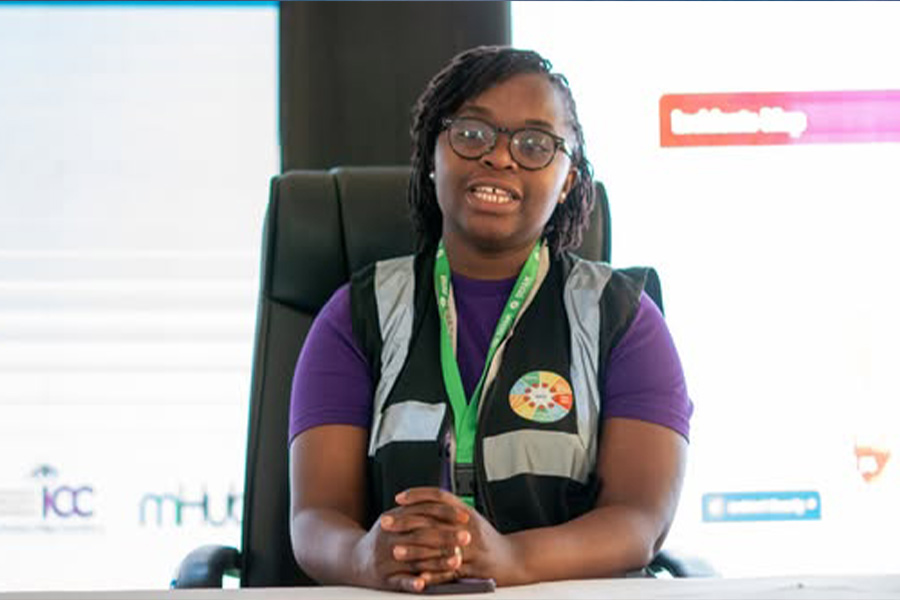
Oxfam gender and program policy manager Sarah Kambilinya agrees with the report saying women were disadvantaged during primary elections and the campaign period due to social norms among other factors.
“21 percent of participation of women is indeed worrisome from our perspective because we would want to see more women show interest and successfully participate in politics. Political parties need to do better, particularly in making sure that there is affirmative action when it comes to participation of women.
“Through the project that we are working with the Women Legal Resource Centre (WOLREC) we noticed that women were disadvantaged during primaries and during the campaign period they lacked resources such as campaign materials and issues to do with social norms.” Lamented Kambilinya.
Following the revelations, Oxfam and political parties feel actualization of the 2025 long-term Observation General Election report would help increase women participation in politics.
But how do political parties react to the developments unfolding in Malawi's political landscape?
First let's hear from the People's Party (PP), the only political party which fielded a female candidate in the name of Dr. Joyce Banda.
Ackson Kalaile Banda who speaks for the party says they support women during such elections; however, their efforts are hampered by vague laws governing political party administration and gender equity.
On the other hand, the Malawi Congress Party (MCP) publicity secretary Dr. Jessie Kabwila says gender equality should go together with mindset change.
“Gender quota is a way of ensuring women’s participation and leveling the ground, because what we have is religion, culture and politics, all working against women and you know that not all women have money.
“We need to understand that quotas are the only way just as we need proportional representation to increase participation of women, one that is institutionalized, not just on paper.” Said Kabwila
Civil Society Elections Integrity Forum (CSEIF) is another key electoral stakeholder.
Its chairperson Benedicto Kondowe suggests the need for continued stakeholder engagement and law reforms among others, to see an improvement on women political participation in the future elections.
On paper Malawi's commitments to gender equality are strong.
The country has ratified a number of conventions such as the Convention on the Elimination of All Forms Discrimination against Women (CEDAW), the Maputo Protocol and the SADC Protocol on Gender and Development, all calling for equal participation in decision-making structures.
Domestically the 1994 Constitution provides for affirmative action and guarantees women's political rights.
The Gender Equality 2013 introduced a 40:60 rule for public appointments but excluded elective offices.
Electoral laws including the Presidential, Parliamentary and Local Government Elections Act, remain gender-neutral and lack enforcement mechanisms, leaving political parties with full discretion over leadership and nominations.