








ZODIAK ONLINE
ArtBridge House, Area 47
Sect. 5, P/Bag 312
Lilongwe, Malawi
Sect. 5, P/Bag 312
Lilongwe, Malawi

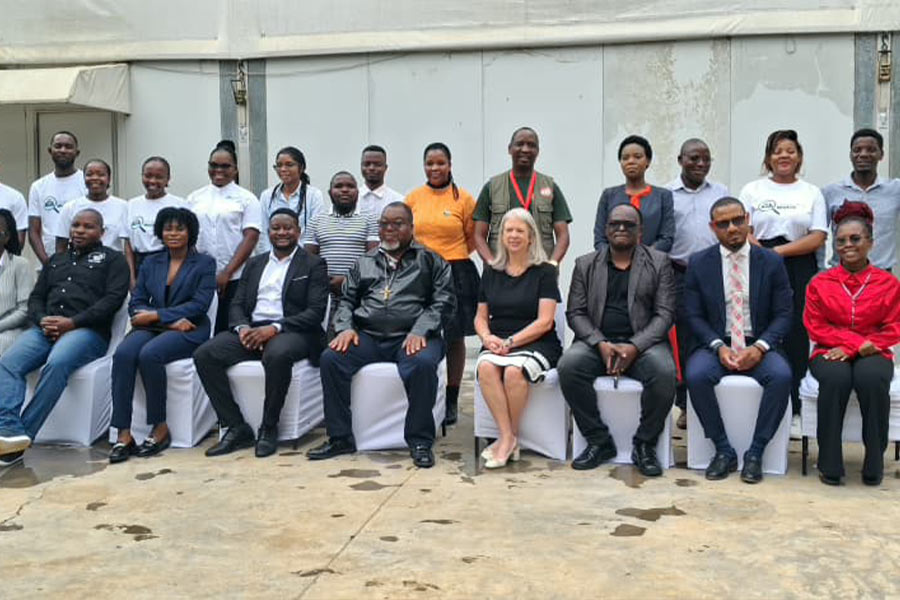
The Centre for Multiparty Democracy (CMD) and Chisankho Watch have renewed calls for comprehensive electoral reforms, arguing that elections should be treated as a continuous democratic cycle rather than a single-day event.
CMD Executive Director Bonface Chibwana said Malawi is making progress toward sustainable and governable elections but warned that meaningful reforms will only be achieved if the country strengthens domestic ownership of the reform agenda.
“We are on the right path, but reforms cannot be donor-driven forever. Malawi must take charge of its electoral reform process if we are to build a credible and sustainable democracy,” Chibwana said.
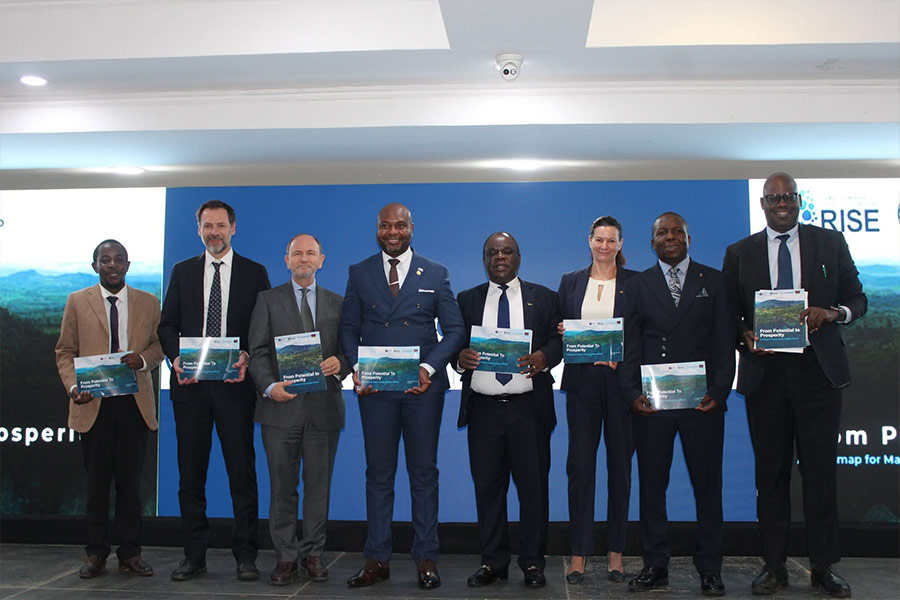
He was speaking during a Local Observers’ Electoral Findings Consolidation and Validation Workshop in Lilongwe on Thursday, organised to review lessons from the 2025 General Elections and develop practical reform proposals for future electoral cycles.
Chisankho Watch Board Chairperson Bishop Gilford Matonga said elections should be understood as a cyclical process that begins long before polling day and continues after results are declared.
“Elections are not an event; they are a process. Democracies are strengthened not only by holding elections, but by learning from each election cycle and improving the system,” Matonga said.
He said the workshop aims to consolidate findings from the 2025 polls and translate them into actionable reforms to improve transparency, inclusivity and credibility in future elections.
Matonga added that civil society organisations demonstrated during the last elections that electoral integrity is a shared national responsibility among the electoral commission, political parties, security agencies, the media and citizens.
“What we have seen is that when all stakeholders take responsibility, the quality of elections improves. That is the lesson we must carry into the next cycle,” he said.
Chisankho Watch and other observers documented several challenges during the 2025 electoral cycle, including technical failures of biometric voter verification devices, inadequate lighting at polling centres, delays in result transmission and the spread of misinformation.
The organisation has previously warned that such gaps undermine public confidence and require systematic reforms ahead of future elections.
The consortium has also raised concerns about voter inducement, misuse of state resources and weak enforcement of electoral laws, calling for stronger accountability mechanisms and legal reforms.
Meanwhile, Catholic Commission for Justice and Peace (CCJP) National Coordinator Lewis Msiyadungu said some electoral procedures still need correction, stressing that each election cycle presents an opportunity to strengthen the democratic system.
“Every election gives us lessons. The question is whether we are willing to fix what went wrong. Some procedures clearly need to be rectified to build trust in the process,” Msiyadungu said.
Political analysts say sustained reforms across electoral cycles are essential for consolidating Malawi’s democracy, arguing that credible elections depend not only on polling day operations but also on continuous improvements in legal frameworks, institutional independence, voter education and stakeholder accountability.