





Poverty takes many forms, shaped by factors such as location, education, and opportunity. In Africa, however, poverty often extends beyond income, denying millions access to life's most basic necessities. In Malawi and many other African countries, even education, hard work, urban living, or a privileged family background do not always shield people from hardship.

For years, South Africa represented hope for thousands of Malawians searching for jobs and a better future. It was the land where dreams were expected to come true, where hard work promised a decent income, and where families left behind anticipated a better life. 

The labour migration dates back from 1900s through the Witwatersrand Native Labour Association (WENERA), an organization established to recruit men from Malawi and across Southern Africa to work in South African gold mines.

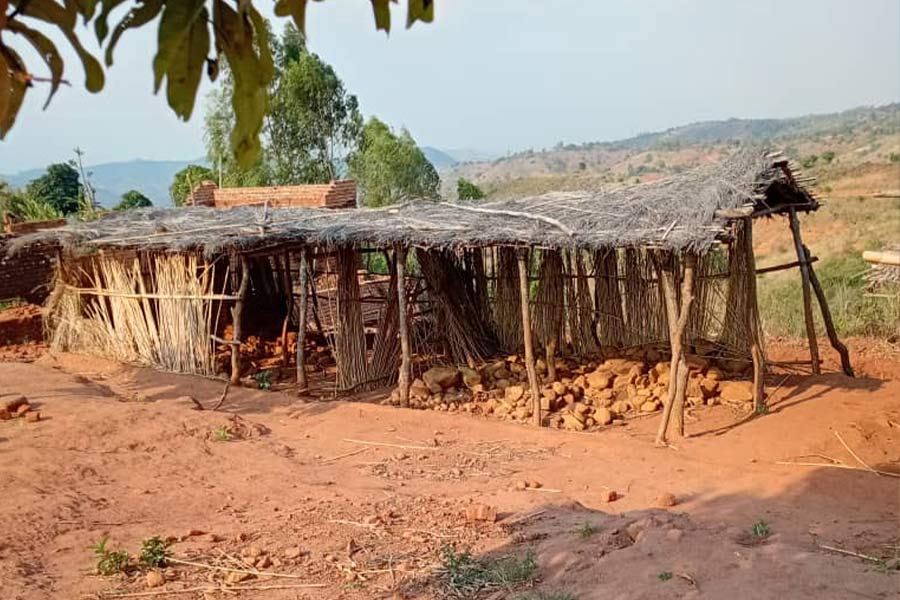
On the surface, Thyolo remains what it has always been, a district of endless tea estates, green hills and tightly knit villages where neighbours know one another by name.

But beneath that familiar landscape, something unsettling is unfolding.

The grave of baby Mary had barely settled when mourners gathered again.

On the morning of June 9, 2026, community members buried a newborn in Thyolo. Hours later, they returned to the cemetery to lay the baby’s mother, 35-year-old Mary Justine, to rest. 

Two graves. One family. One day.

ZODIAK ONLINE

ArtBridge House, Area 47
Sect. 5, P/Bag 312
Lilongwe, Malawi
Text: (265) 999-566-711
support@zodiakmalawi.com

Information

Quick Links

Follow Us

Login

{loadmoduleid ? string:? string:? string:16 ? ? ?}