

















ZODIAK ONLINE
ArtBridge House, Area 47
Sect. 5, P/Bag 312
Lilongwe, Malawi
Sect. 5, P/Bag 312
Lilongwe, Malawi

Every day, Mount Mulanje loses a little more of the forest that earned it global recognition. As illegal cultivation spreads deeper into protected areas and trees continue disappearing, conservationists warn that Malawi's iconic mountain is approaching a tipping point unless communities, especially young people, become part of the solution.
Declared by UNESCO as both a Biosphere Reserve and a World Heritage Site, Mount Mulanje is one of Malawi's most valuable natural assets. Besides hosting unique biodiversity, the mountain supplies water to surrounding communities and supports electricity generation through the Mulanje Electricity Generation Agency (MEGA).
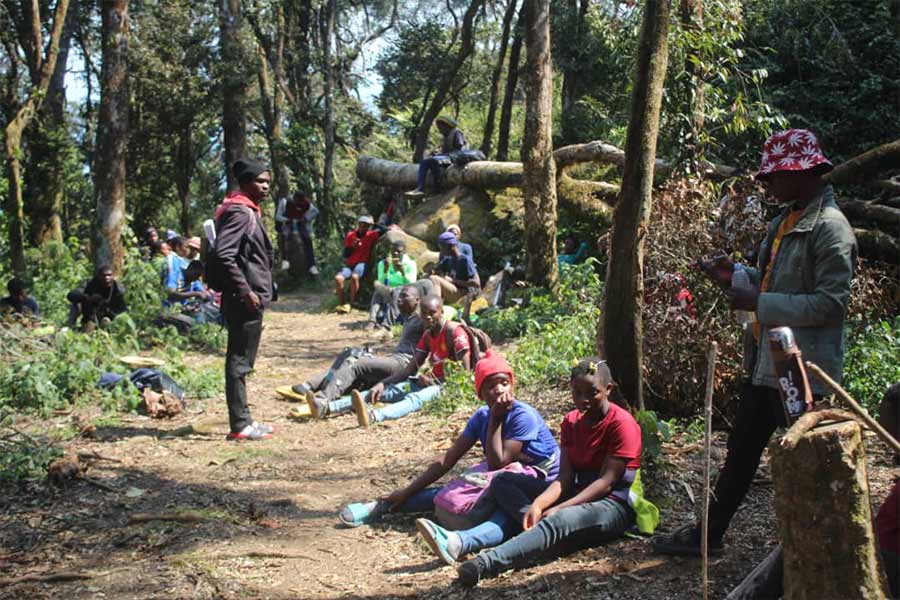
To inspire community action, the Wildlife and Environmental Society of Malawi (WESM) organised an environmental advocacy hike to Lichenya Hut. The activity brought together youths from Tigwirane Manja, Ndizotheka and Nakhawa Youth Clubs under Traditional Authority Sunganizeru.
The young participants collected plastic waste along the trail and visited restoration sites where the endangered Mulanje Cedar is being replanted. However, they also encountered fresh signs of illegal cultivation and encroachment into the mountain's buffer zones, highlighting the scale of the conservation challenge.
Leading the hike, WESM Environmental Education Coordinator Clement Sellenje said protecting Mount Mulanje is a shared responsibility because environmental degradation affects communities that depend on the mountain's natural resources.
He said the Lichenya River is a key water source for the Mulanje Electricity Generation Agency (MEGA). According to Sellenje, continued destruction of forests around the catchment could reduce water flows, affect electricity generation and increase the cost of producing power.
For many participants, the hike offered their first close look at the pressures facing the mountain.
One participant, Young Dinesi of Tigwirane Manja Youth Club, described the initiative as timely, saying it has motivated young people to become ambassadors for environmental protection.
"This hike has come at the right time. Many young people have never seen what is happening inside the mountain. We have learnt that protecting Mount Mulanje is our responsibility, and we will take this message back to our communities so that more youths become involved in conservation efforts," said Dinesi.
Another participant, Mirriam Harison from Nakhawa Youth Club, said seeing environmental degradation with her own eyes has strengthened her commitment to educate fellow youths and communities on the importance of protecting the mountain for future generations.
Despite growing awareness campaigns, protecting the mountain remains difficult. The Mulanje Forestry Office has only 26 forest officers, far below the required establishment of more than 140 officers. The office also operates without a vehicle, limiting its ability to patrol the vast forest reserve and respond to illegal activities.
Traditional Authority Njema told Zodiak that people cultivating crops inside the mountain have traditionally descended after harvesting. However, he said the situation is changing because some have started planting cassava, a crop that remains in the ground much longer, encouraging continued occupation of protected areas.
Environmental activist Mathews Malata has also bemoaned the growing tendency of cultivating inside the mountain. He said the practice undermines ongoing conservation efforts and threatens years of investment in restoring forests and protecting biodiversity.
The advocacy hike forms part of wider efforts to empower young people to champion environmental conservation within their communities. At the end of the programme, participating youth clubs are expected to develop action plans aimed at protecting Mount Mulanje and promoting sustainable environmental practices.
For many conservationists, saving Mount Mulanje will require more than awareness campaigns. It will demand stronger law enforcement, adequate resources for forestry officers and sustained community ownership if Malawi is to preserve one of its most treasured landscapes for generations to come.