






ZODIAK ONLINE
ArtBridge House, Area 47
Sect. 5, P/Bag 312
Lilongwe, Malawi
Sect. 5, P/Bag 312
Lilongwe, Malawi

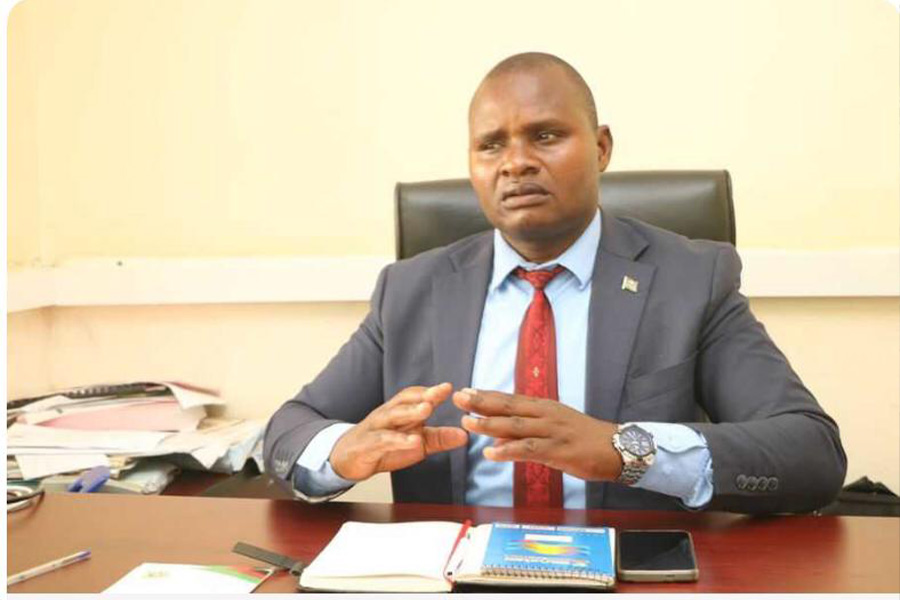
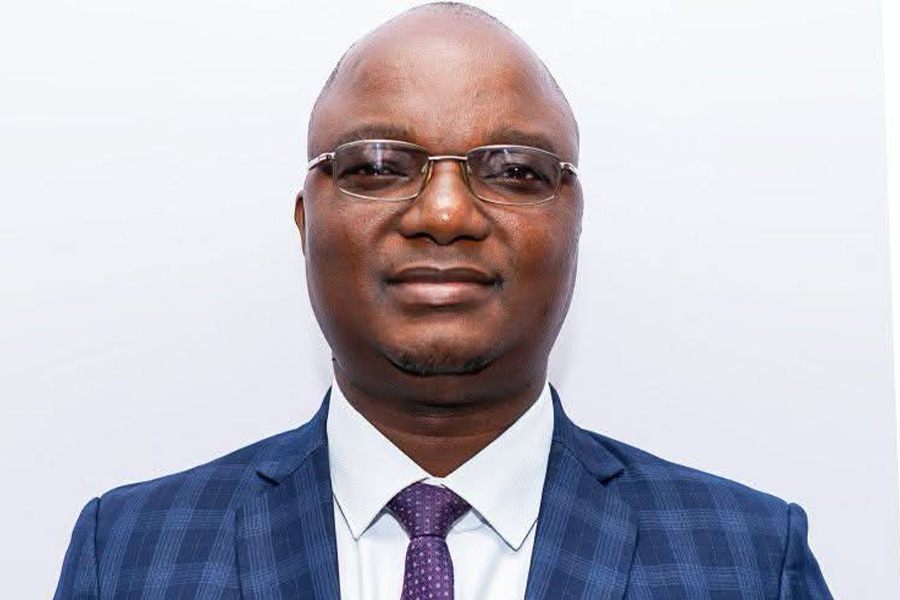
Minister of Labour Joel Chigona has emphasized the importance of investing in skills development, saying Malawi needs a highly skilled workforce to accelerate socio-economic growth and compete effectively in the global economy.
Chigona made the remarks in Lilongwe during a reception jointly organised by the Ministry of Labour and the Technical, Entrepreneurial and Vocational Education and Training Authority (TEVETA) to welcome four young Malawians who represented the country at the 2026 African Skills Olympics held in Oran, Algeria.
The competition marked Malawi's debut appearance at the continental event, and the country's representatives delivered a strong performance against contestants from 17 African nations.
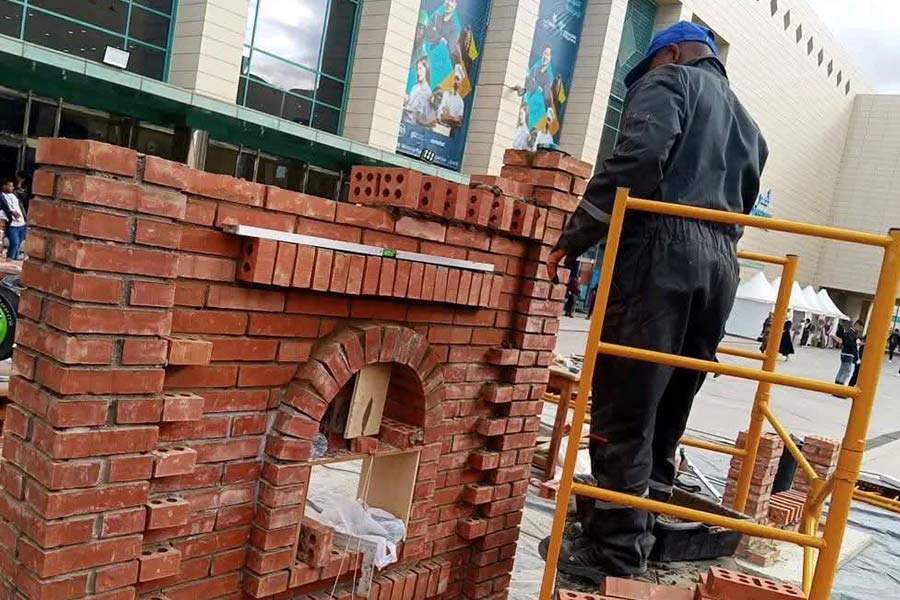
Leading the pack was Brian Moses of Zomba-based Nasawa Technical College, who won a gold medal in bricklaying, earning Malawi its highest accolade at the competition. Hopeness Kaunda secured a bronze medal in cosmetology, while Sylvester Fanuel finished fourth in fabrication and welding. Emmanuel Likwenga came fifth in plumbing.
Speaking at the welcome ceremony held at Lilongwe Technical College, Chigona hailed the participants for showcasing Malawi's growing technical capabilities on the continental stage.
"We have to thank President Mutharika for enabling Malawi to compete at this African level. This is the first time Malawi has participated at such a level and we have come back with results," he said.
The minister said the achievement has given the country confidence as it prepares for future international competitions, including the World Skills Competition in Japan.
Chigona stressed that technical and vocational skills remain indispensable to national development.
"You cannot develop a country without skilled people. It is our wish to ensure that these skilled people deliver and help us grow the economy of Malawi," he said.
He further spoke of the government's commitment to expanding access to technical and vocational education, citing investments in infrastructure across the country.
"We have completed construction of technical colleges in Nkhotakota, Salima and Machinga. This demonstrates the government's dedication to ensuring that more young people have access to technical education and skills training," he said.
TEVETA Board Chairperson Gilbert Chilinde described the performance in Algeria as proof that Malawi's technical and vocational education system is producing competent artisans capable of competing beyond the country's borders.
Chilinde said exposure to international competitions gives young people confidence and helps raise the profile of vocational skills as a viable pathway to employment and entrepreneurship.
"When people know that you are highly skilled, the market becomes huge. They come looking for you, they offer you jobs and opportunities. You can even create your own company and employ others," he said.
He noted that many of the world's leading industries have been built on strong technical and vocational foundations, making skills development a key driver of economic transformation.
According to Chilinde, Malawi's success in Algeria is the culmination of years of deliberate efforts to build a competitive skills ecosystem.
He explained that TEVETA officials had attended several international skills competitions over the years, including events in Abu Dhabi, Russia and China, primarily as observers.
"We followed these competitions for a long time, but we did not field contestants because we felt we were not yet ready. We first started local and regional competitions, then national competitions. The young people who went to Algeria are products of that process," he said.
The board chairperson said the results have energized TEVETA and its partners to strengthen future competitions and attract more young people to vocational trades.
"We expect many more youths to participate in future competitions because they have seen what their fellow young people have achieved. Success inspires success," he said.
On Malawi's ambition to export skilled labour, Chilinde said international recognition of local talent strengthens confidence among employers and investors.
"If we continue seeing our people winning at local, national and African levels, it confirms that we are doing the right things. It makes it easier to invest in skills development because industry can see the results," he said.
He cited the example of Illovo Sugar, which previously had to source specialised welders from South Africa due to limited local expertise.
"There was a time when there were no Malawian welders with the specific skills that Illovo required. We worked with industry to develop those skills locally and today companies are benefiting from locally trained professionals," Chilinde said.
He added that the success of Brian Moses, who undertook industrial attachment at Illovo before winning gold in Algeria, demonstrates the value of collaboration between training institutions and industry.
"The fact that Brian trained within industry and went on to become a continental champion shows that when industry, government and training institutions work together, the results benefit everyone," he said.
In his remarks Moses said dedication is what earned him the highest prize.
“You have to love your work. I always think of how best I can do something differently and better. That’s how you excel in your job,” he said.
The African Skills Olympics brings together young technicians and craftspeople from across the continent to showcase excellence in a wide range of vocational disciplines while promoting innovation, competitiveness and skills development.