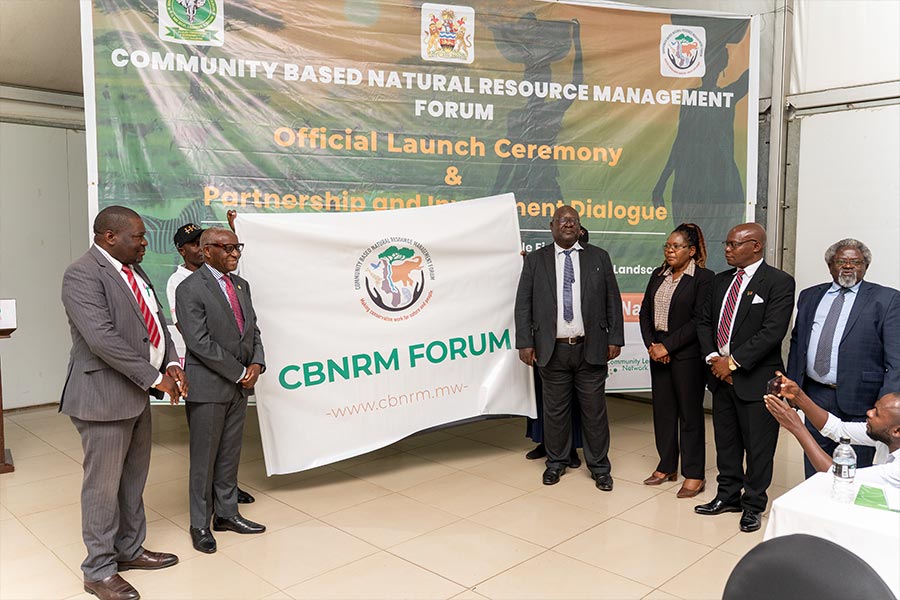












Communities Must Lead Conservation — Itaye
04 September 2026

MALGA Wants More Money to Local Councils
11 August 2025
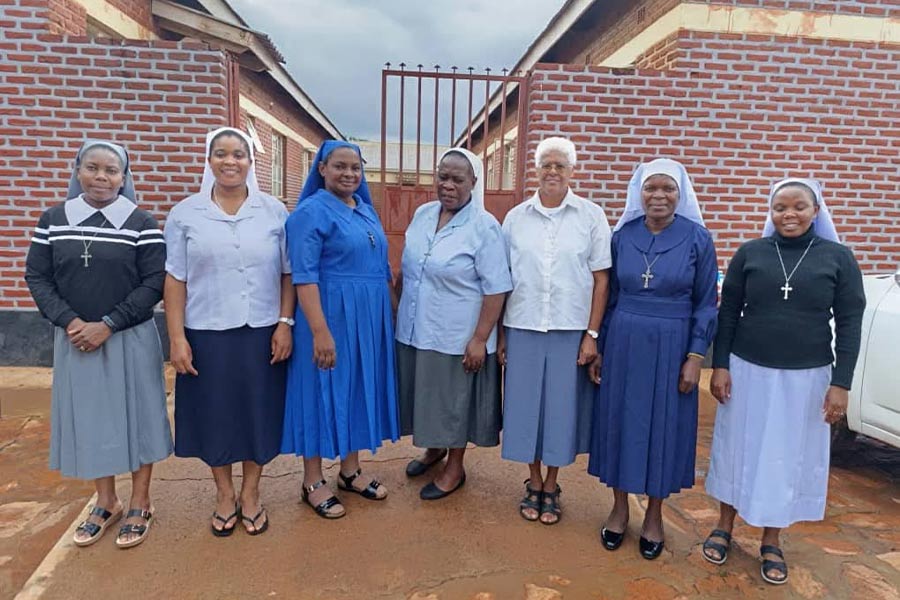
On a Wednesday morning, the peace and quiet of a Catholic parish in Lilongwe is disturbed by the rhythmic hum of sewing machines.
Metal gears, wheels, and belts squeak in motion, complimented by the traditional taka-taka-taka of needles piercing fabric. At each machine sits a woman, quiet and focused, learning a skill that it is hoped will stitch her out of economic quagmire. This goes on each day of the week but Thursday.
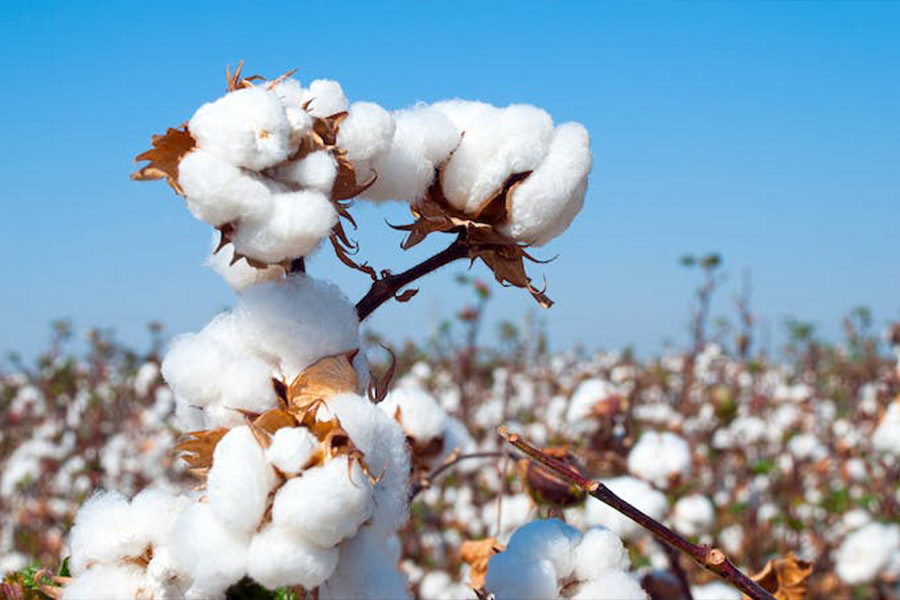
The Cotton Council of Malawi has launched the 2026 cotton marketing season with optimism, projecting earnings of about K27 billion from the sale of an estimated 22,000 metric tons of cotton.
FDH Bank plc has boasted of strong financial performance for the 2025 financial year, posting a profit after tax of K147.796 billion from K74.063 billion in 2024.
What was once hailed as Malawi’s next economic breakthrough has, for many farmers, turned into a costly illusion.
In 2021, cooperatives across the country plunged into industrial hemp farming, lured by promises that the crop—dubbed “green gold”—would rival tobacco as a top foreign-exchange earner.
With projections of up to $700 million in annual revenues, hope spread quickly from policy rooms to rural fields. For thousands of smallholder and commercial farmers, it seemed like a rare chance to escape the volatility of traditional crops and poverty.
Just a few seasons later, that promise lies in ruins.
Page 2 of 19