













ZODIAK ONLINE
ArtBridge House, Area 47
Sect. 5, P/Bag 312
Lilongwe, Malawi
Sect. 5, P/Bag 312
Lilongwe, Malawi

The grave of baby Mary had barely settled when mourners gathered again.
On the morning of June 9, 2026, community members buried a newborn in Thyolo. Hours later, they returned to the cemetery to lay the baby’s mother, 35-year-old Mary Justine, to rest.
Two graves. One family. One day.
For relatives from William Village under Sub-Traditional Authority Mulenga in Thyolo, the pain is hard to comprehend. “It is really sad that this has happened to us,” says Symon Jackson, the deceased woman’s uncle.
According to Jackson, Mary, who is survived by two other children, was about seven months pregnant when she fell seriously ill. What began as a medical emergency quickly turned into a desperate race against time.
He says she was first taken by Kabaza motorcycle to Mianga Health Centre. On the way her condition worsened and she began vomiting blood, a severe danger sign in pregnancy that demands urgent care.
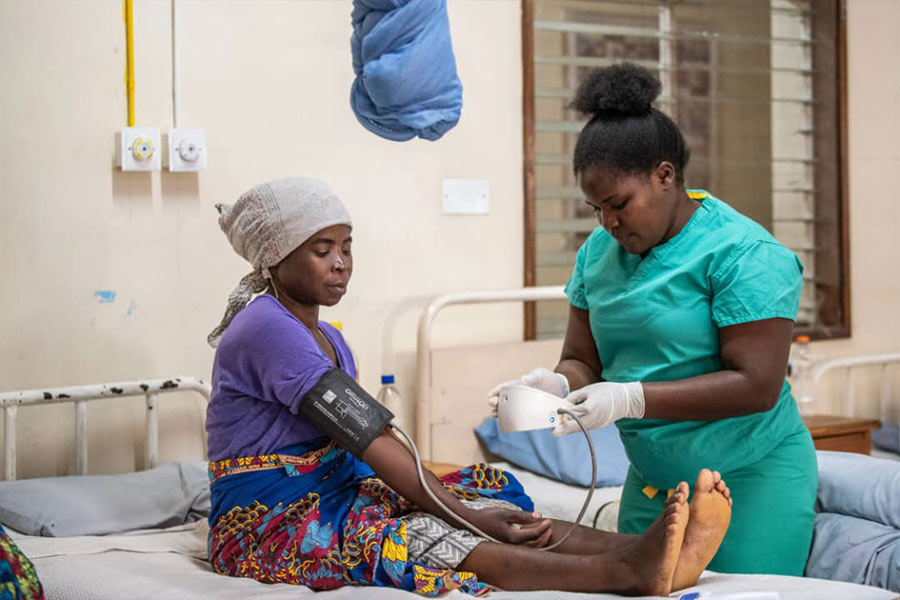
Medical staff at the health centre assessed her and immediately referred her to Thyolo District Hospital for specialized treatment. Doctors and nurses fought to save both mother and child. An emergency operation was performed and the baby was delivered. But despite the intervention, the newborn died a few hours later. Soon afterward, Mary also died.
For health workers who witness such tragedies, these moments leave scars that statistics cannot capture. Yet Mary’s story is not isolated. It reflects a larger challenge facing Malawi’s maternal and newborn health system, where many women still arrive at facilities only when complications are already life-threatening.
Maternal health experts often refer to the “Three Delays Model.” The first delay occurs when a woman or family takes too long to decide to seek care. The second delay happens when transport to a health facility is difficult or unavailable. The third delay arises when a patient reaches a facility but faces obstacles in receiving timely treatment.
In rural Malawi, all three delays can occur at once.
Mary’s family insists health personnel did everything possible. “She stressed that the medical personnel tried their best to save my niece,” Jackson says, quoting discussions with Mary’s mother, who acted as guardian during hospitalization.
Many maternal deaths do not begin in the labour ward. They begin months earlier. Routine antenatal care is designed to spot warning signs before they become emergencies.
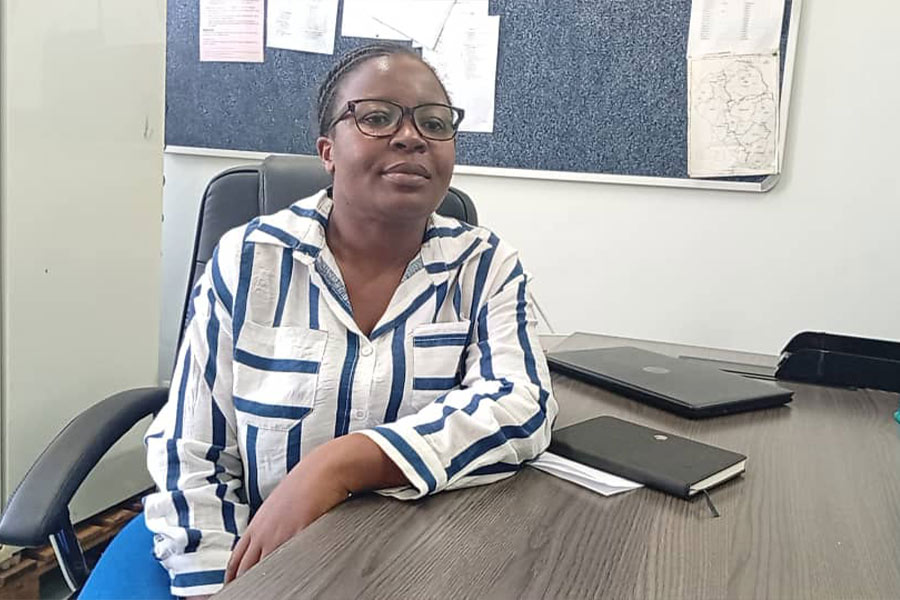
Director of Health Services for Thyolo, Dr. Mirriam Jere, confirmed the latest case involved a woman described as G3 P2, with a gestational age of 42 weeks by fundal height.
“The deceased was not in labour. But she presented with severe headache and vomiting, then suffered eclampsia, a severe, life-threatening complication of pregnancy that affected both mother and baby,” Dr. Jere said.
She said eclampsia remains one of the deadliest threats to mothers in the district and nationally. “Eclampsia is one of the leading causes of maternal death in our district and in Malawi, alongside postpartum haemorrhage and sepsis,” she explained.
“From January to date, we have recorded four maternal deaths in Thyolo. Our current maternal mortality rate is 36 per 100,000 live births. Our goal for this year is to reduce it to 30 per 100,000 live births,” Dr. Jere stated.
She added that contributing factors include delays in seeking care, failure to identify danger signs early, and inadequate equipment and training.
Dr. Jere urged families to act faster when pregnancy complications arise. “Let us encourage women to start antenatal care early – in the same month they miss their period. If a woman is not feeling well, she should go to the nearest health facility for assistance without delay,” she said.
She also appealed for media support. “Our media team, join us in sensitizing communities. Develop programs on safe motherhood that reach closer to our communities so more women and families can benefit,” she said.
Sub-Traditional Authority Mulenga says the incident is sad and blames the family for late action, adding that by-laws are in place against late hospital visits.
He says through various partners they have been running safe motherhood campaigns for years. “It is known in the area that every woman must go and wait at the hospital about a month before her time is due,” the chief said.
“We have by-laws in my jurisdiction that prohibit giving birth at home or along the way, or else the family is fined two chickens. For example, in April this year, Group Village Headman William fined a family after a woman gave birth on the way to the hospital,” he said.
Behind every maternal death is a family, but national statistics reveal the scale. According to the World Health Organization, approximately 381 mothers die per 100,000 live births in Malawi. That is down from 439 in 2017 to 381 in 2020.
For newborns, the situation is equally concerning. Malawi records about 18.7 neonatal deaths per 1,000 live births. The biggest killers are prematurity, birth asphyxia and birth trauma, and severe infections such as sepsis. These figures translate into thousands of families grieving mothers, babies, or both every year.
In response, the Ministry of Health, in collaboration with WHO and other partners, implemented a maternal, newborn, and child health Quality of Care initiative. Through it, quality improvement interventions were rolled out in 280 health facilities. Thyolo District Hospital was particularly successful, cutting maternal and neonatal mortality by more than 50% between 2017 and 2022.
Presidential Advisor on Safe Motherhood Maria Mainja agrees most pregnant women wait too long. She says government is working to ensure every facility has resources to save lives and protect mothers and newborns.
“We need to sensitize communities on the need to quickly visit hospitals should they feel anything unusual,” she said.
Mainja assured: “Yes, we may have some clinics that don’t have what every woman needs to deliver safely, but the Ministry of Health is trying to ensure we have resources. As you know, President Peter Mutharika is serious on the Safe Motherhood project; he doesn’t want any woman to die while giving birth in the country.”
She then urged health personnel to sacrifice for pregnant women: “Everything will be alright.”
Minister of Health Madalitso Baloyi said the government is investigating the Thyolo incident.
"We are investigating every maternal death to find out what went wrong for instance a case in Thyolo of a woman and a new-born," she confirmed.
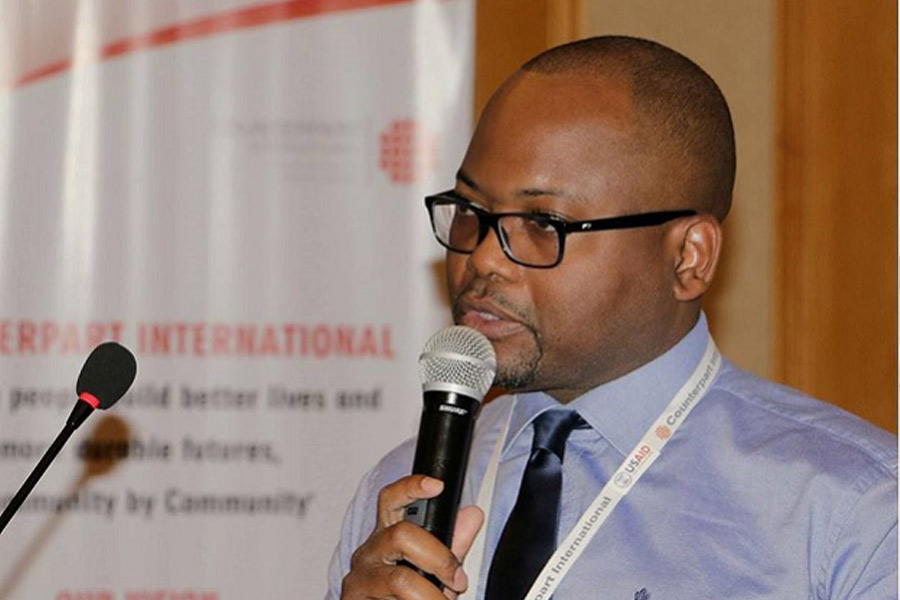
Meanwhile, health rights activist Maziko Matemba, Programme Director for Health and Rights Education Programme, calls this “a deeply sad and important issue” and says authorities must act.
“It is heartbreaking to hear about the loss of Mary Justine and her baby. This is a wake-up call to authorities and will help raise awareness and save lives,” Matemba said.
Matemba says his analysis shows several factors keep causing tragedies in Malawi: delay in seeking care, lack of safe transport, bad roads and long distances, poor clinic resources, and understaffing.
“Families often wait too long to go to the clinic. They might try traditional medicine first. Clinics are often far away. Roads can be very bad, making travel slow. Most people use motorcycle taxis, ‘Kabazas’. These are not safe for very sick pregnant women,” he said.
He added: “Some rural clinics do not have the right medicine, tools, or electricity to fix big problems. Doctors and nurses are often overworked. They cannot see every patient quickly.”
To reverse the trend, Matemba says: “Sensitize communities: We must teach families to go to hospital as soon as a pregnant woman feels sick. Stop the use of Kabazas for emergencies: Villages need bicycle ambulances or community cars for pregnant women. Fix rural clinics: Small clinics need better tools and trained staff to handle emergencies before sending patients to the big hospital. We need more nurses who specialize in childbirth to work in rural areas.”
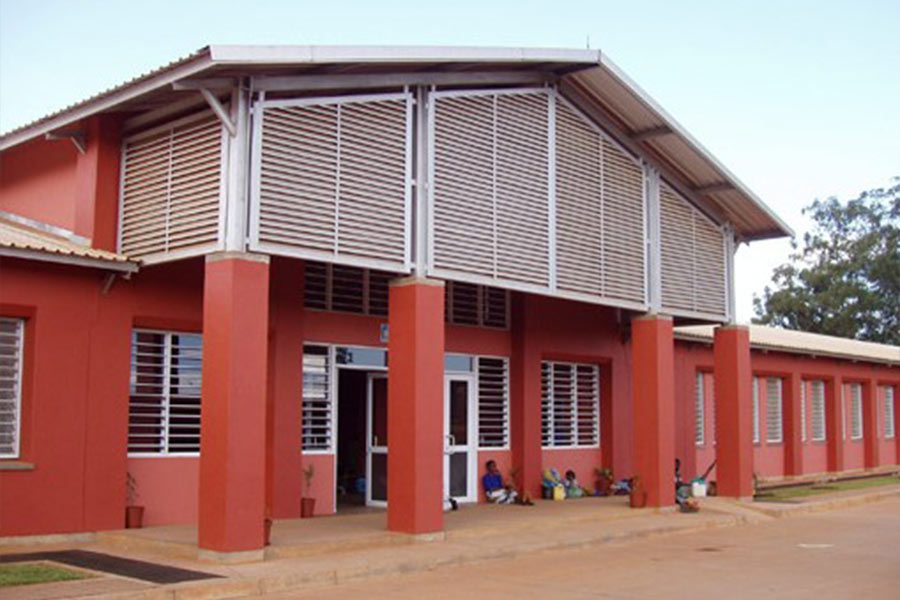
Across Malawi, nurses, midwives, clinical officers and doctors work under enormous pressure. Many district hospitals manage overwhelming patient numbers with limited resources. Ambulances travel long distances transferring critically ill patients. Doctors perform emergency Caesarean sections knowing every minute counts. Health workers in rural facilities are often the first line of defence.
In Mary’s case, staff at Mianga Health Centre recognized the severity and arranged immediate referral. At the district hospital, specialists intervened with emergency surgery. The efforts could not reverse the complications, but the response shows how health workers battle to save lives under difficult circumstances.
Despite challenges, Malawi has made gains. More than 96 percent of births are now attended by skilled personnel. That reflects years of investment in facility-based deliveries and community health programs, according to UNFPA.
The deaths of Mary Justine and her baby in Thyolo represent more than a family tragedy. They are a reminder that maternal and newborn health is a race against time.
Every antenatal visit attended, every danger sign recognized, every referral made quickly, every ambulance dispatched, every emergency operation performed – each action creates another chance to save a mother and child. For health workers across Malawi, that mission continues every day.
Every mother saved strengthens a family. Every newborn saved secures the future.