














ZODIAK ONLINE
ArtBridge House, Area 47
Sect. 5, P/Bag 312
Lilongwe, Malawi
Sect. 5, P/Bag 312
Lilongwe, Malawi

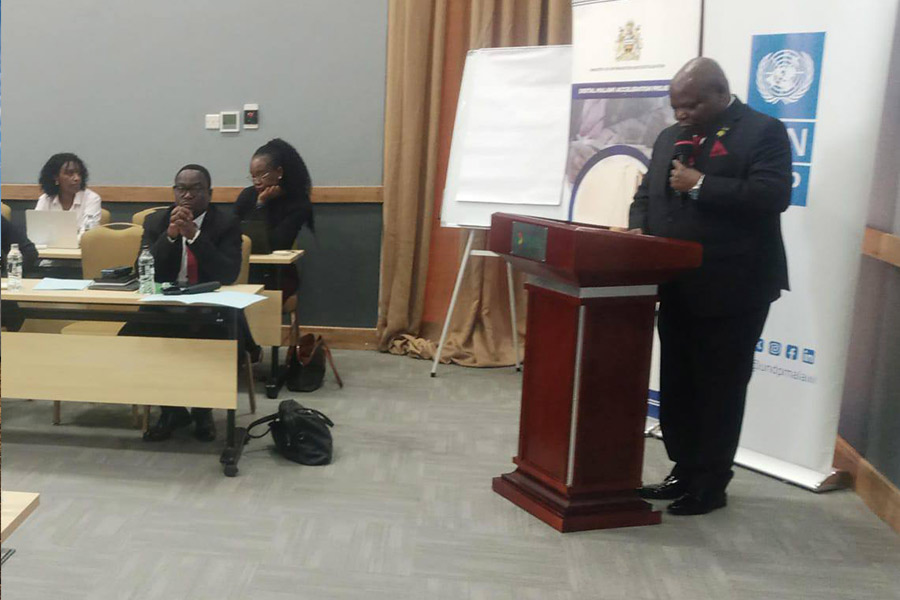
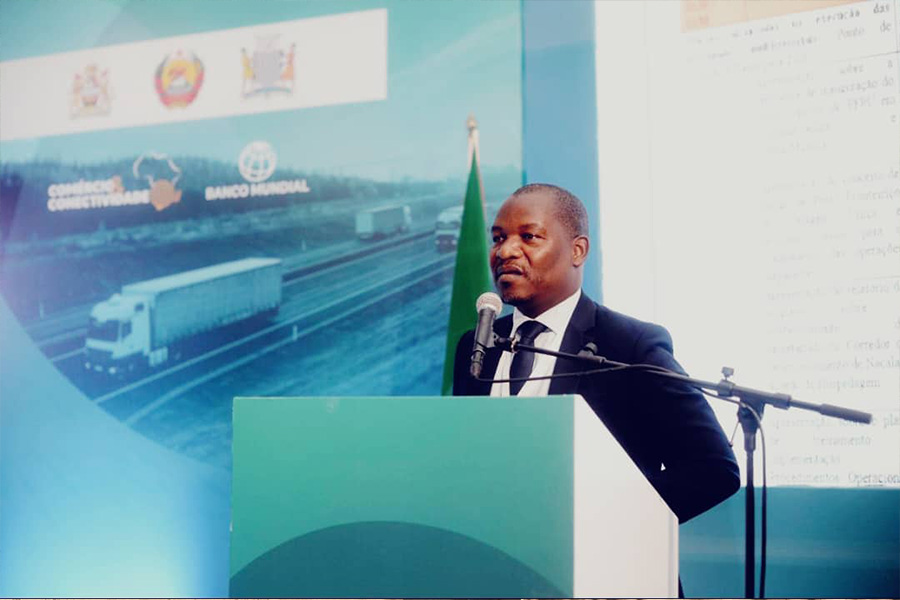
More than 9,000 government sites across the country remain unconnected to the internet, a challenge Principal Secretary for E-Government, Prosper Mopiwa, says is undermining efforts to modernize public service delivery.
Speaking at a principal secretaries' training in Artificial Intelligence in Salima today, Mopiwa noted that outdated Government Wide Area Network (GWAN) infrastructure has caused intermittent service, leaving many institutions unconnected.
He stressed the need to mobilize resources to bridge the digital divide, particularly in underserved areas such as Likoma Island, where advanced technologies are required due to difficult terrain.
Mopiwa raised concerns about ministries and departments using private email platforms for official communication, warning that this practice compromises cybersecurity, data sovereignty, and accountability. He pointed to fragmented ICT systems, weak regulatory frameworks, and mis‑procurements as additional barriers to effective digital transformation.
To address these challenges, Mopiwa said the Department of E-Government is redesigning GWAN infrastructure under the Digital Malawi Acceleration Project, which will extend connectivity to over 500 public institutions and 2,000 schools, while expanding telecommunications in hard‑to‑reach areas.
The department is reviewing outdated ICT laws, developing a National Digital Transformation Strategy, and enforcing the use of official government emails, he added.
Other initiatives underway, he said, include a clock‑in system integrated with human resource database, smart city projects in Blantyre, Zomba, Lilongwe, and Mzuzu, an inventory management system, the Boma‑lathu one‑stop digital services platform, and expansion of hosting capacity at the National Data Centre.
Chief Secretary to the Government Justin Saidi, who presided over the event, stressed the urgency of coordinated digital reforms, linking them directly to President Arthur Peter Mutharika’s directive during his February 13 State of the Nation Address.
“Every Ministry, Department, and Agency is expected to align fully with the President’s digital transformation vision and translate it into measurable action,” he said.
Dr. Saidi emphasized that digital transformation must be pursued collectively, with MDAs working closely with the Department of E-Government to avoid duplication and fragmented systems. He warned against uncoordinated donor-funded ICT projects and stressed the importance of prior consultation to safeguard efficiency and accountability.
Commending the training initiative, Dr. Saidi noted that artificial intelligence is no longer a distant concept but a present-day governance priority.
“AI must enhance public value, strengthen service delivery, and support inclusive development. It must not deepen inequalities, weaken accountability systems, or outpace our regulatory readiness,” he said.
He urged Principal Secretaries to use the training to ask strategic questions, make informed procurement decisions, and align AI initiatives with national development priorities.
“Success is the sum of small efforts, repeated day in and day out,” Dr. Saidi added, quoting Robert Collier, as he called for disciplined, collective effort to move from intention to impact.
The workshop, supported by UNDP through the Inclusive Digital Transformation for Malawi Project and World Bank through the Digital Malawi Acceleration Project, is a turning point in Malawi’s journey toward building a digitally empowered government, according to UNDP.