















ZODIAK ONLINE
ArtBridge House, Area 47
Sect. 5, P/Bag 312
Lilongwe, Malawi
Sect. 5, P/Bag 312
Lilongwe, Malawi

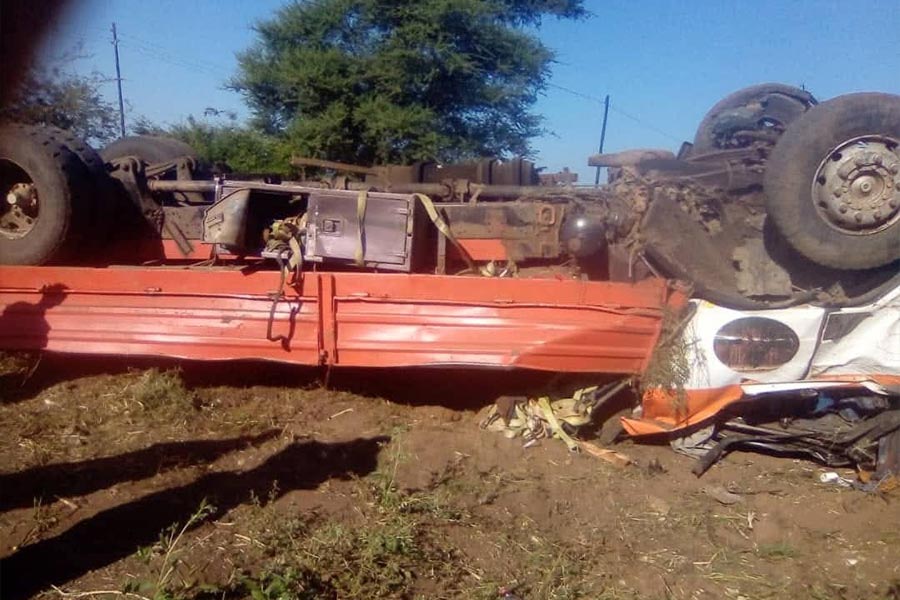
On a cold Thursday evening in May 2026, screams pierced the darkness along the winding Chiradzulu–Phalombe Road. At Chamdimbo Mwanje Turn-off, a Hino five-tonne lorry carrying passengers instead of goods lost control while descending a slope. Moments later, seven lives were gone.
Among the dead was an eight-month-old baby.
This was not just another statistic in Malawi’s growing road carnage. It was a painful portrait of a country where desperation is forcing ordinary people into deadly choices. For many Malawians today, transport is no longer about comfort or convenience. It is about survival.
A Journey That Never Ended
The lorry had left Chiradzulu Boma for Phalombe with twelve passengers crammed inside. Three sat in the front cabin while women and children occupied the open goods compartment — a practice outlawed in Malawi because of its danger.
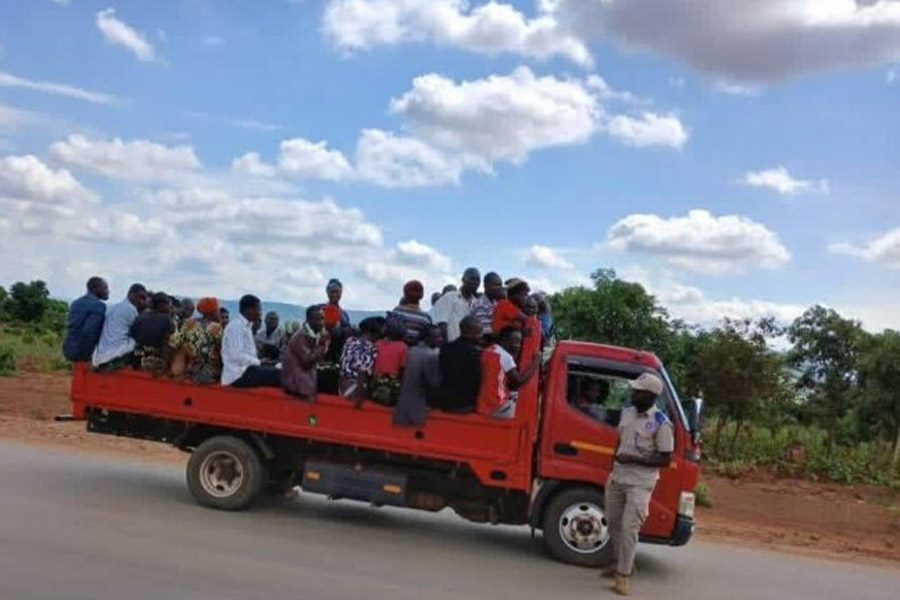
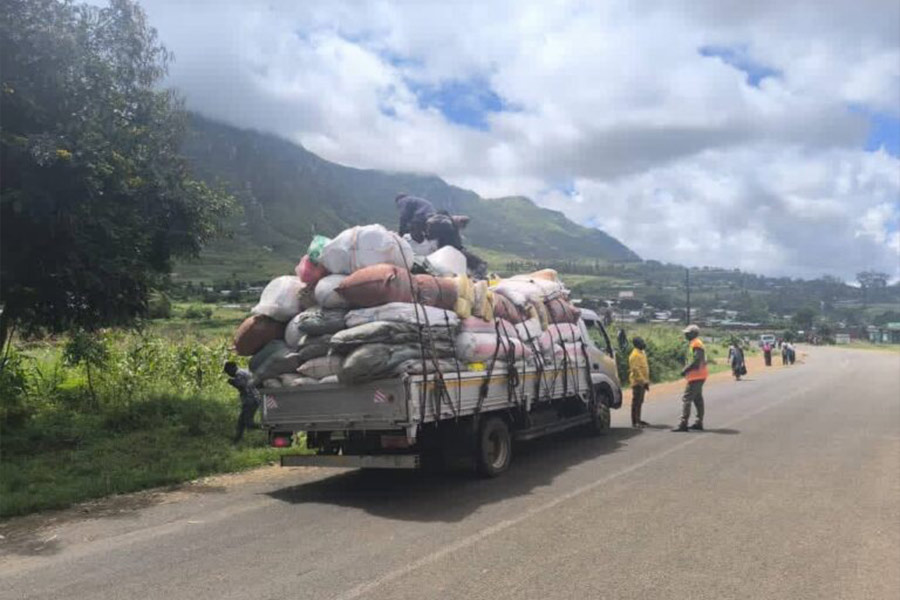
Fuel shortages have nearly crippled public transport. Minibuses and taxis charge unbearable fares. In rural districts, stranded passengers now climb onto open lorries carrying sacks of maize, sweet potatoes, and merchandise, hoping simply to reach home alive.
Some never do.
Police said the vehicle lost control while avoiding hazards on the slope. It struck a road sign pillar before veering into an embankment. The falling pillar collapsed part of a nearby house, injuring a young man inside.
Seven people died instantly or upon arrival at hospital. They were not strangers. They were mothers, breadwinners, neighbours, caregivers.
Among them: Peter Mbelenga, a 41-year-old nurse from Phalombe; Mary McDonald, Steria Moses, Stella Navaya, Zione Josephy — women returning home to their families; Agness Richard and her infant daughter Alice Thabwa, a tragedy that devastated entire communities.
Behind every name lies an unfinished story.
The Hidden Cost of a Fuel Crisis
To outsiders, such scenes may resemble villagers travelling to weddings or funerals in hired trucks, a common sight for decades. But this time is different. These lorries are now commercial transport alternatives.
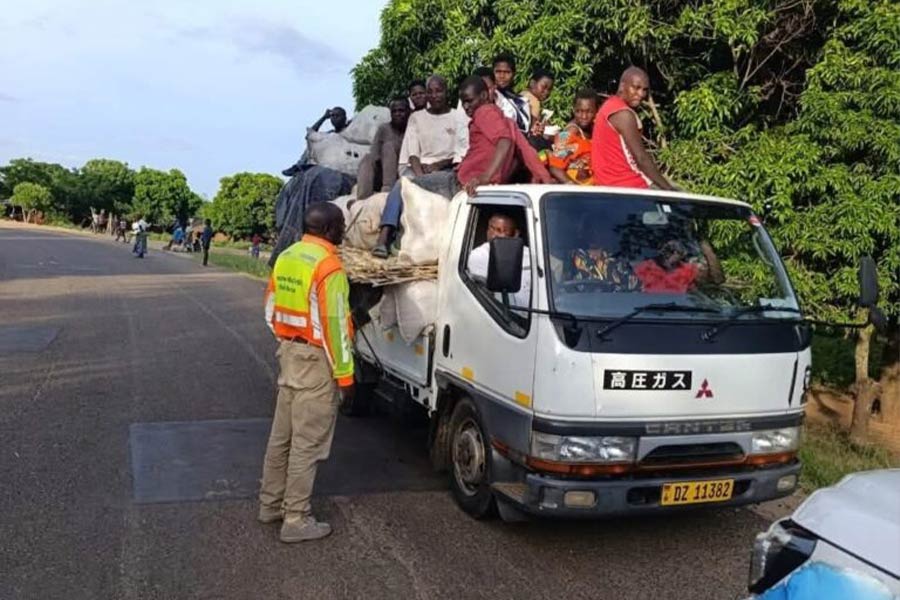
Across districts, open lorries are quietly becoming informal taxis. Refusing a ride means failing to report for work, missing medical appointments, abandoning business opportunities, or sleeping in unfamiliar trading centres.
People know the risks. They board anyway. And increasingly, they die anyway.
Just days before the Chiradzulu tragedy, another fatal accident occurred in Ntcheu near Chang’oma Primary School. A lorry carrying passengers and farm produce overturned on a slippery road. Witness Madalitso Pagula recalled: “Some people were injured, while others had to be pulled out after being trapped beneath the luggage.”
In April 2026, three people died in Dedza when a three-tonner lorry carrying 43 passengers crashed at Khwekhewlere. In Thyolo, two women died last September after a lorry failed to negotiate a curve. Months later, three more perished when a vehicle plunged into a ditch near Satemwa turn-off.
These are not isolated tragedies. They are a trail of grief stretching across Malawi.
When Poverty Overpowers the Law
In November 2024, the Ministry of Transport banned passenger transport in open vehicles, warning offenders of arrest. The law already existed, but enforcement has struggled against economic reality.
Director of Road Traffic and Safety Services, Christopher Kuyera, urged Malawians to refuse boarding such vehicles:
“Do not use lorries or open vehicles to carry passengers. Lives are being lost unnecessarily. No trip, no fare, no fine, no convenience is worth a human life.”
Authorities are scaling up roadblocks, patrols, prosecutions, and awareness campaigns. Yet the question remains: What choice do people really have?
For a rural market woman, waiting for safer transport may mean losing the capital that feeds her children. For a nurse, it may mean sleeping at a trading centre without shelter. For grieving families, those decisions ended in irreversible loss.
The Children Left Behind
Perhaps the cruellest consequence of road accidents is not the twisted metal left on highways, but the lives permanently altered afterward.
In villages across Phalombe, Chiradzulu, Ntcheu, Dedza, and Thyolo, children are waking up without mothers and fathers. Some will drop out of school. Others will be raised by ageing grandparents already struggling to survive.
Funerals in Malawi are communal experiences filled with tears, hymns, and silence. But after mourners leave, families remain with unanswered questions: Who will provide food? Who will pay rent? Who will raise the children?
Road accidents in Malawi do not only kill individuals. They destroy entire support systems.
The International Road Assessment Programme (iRAP) estimates that preventable crashes kill or injure over 57,335 Malawians every year, with an annual economic cost of US$583 million.
A Nation Becoming Numb
The frightening reality is how quickly Malawians are becoming accustomed to tragedy. Hardly a week passes without reports of overturned lorries, overloaded pickups, or deadly minibuses. Headlines briefly dominate social media before fading beneath the next crisis.
Yet every accident leaves trauma etched into communities. Survivors begin long recoveries at Chiradzulu District Hospital. Families collect bodies from mortuaries. Coffins are prepared for loved ones who left home expecting to return by sunset.
Malawi’s roads are increasingly carrying more than passengers. They are carrying desperation.
Beyond Enforcement
Road safety advocates insist tougher prosecutions are necessary. Joel Jere, Executive Director of Road Safety Alert Foundation, argues: “Drivers of such vehicles must be held responsible for lost lives. The best is for them to use minibuses or coasters to ensure passenger safety.”
Unless safer alternatives become available, the next overturned lorry is not a question of if. It is a question of when.
For now, fresh graves in Chiradzulu, Ntcheu, Dedza, and Thyolo stand as painful reminders of a country where the journey home is becoming one of the deadliest risks of all.