














ZODIAK ONLINE
ArtBridge House, Area 47
Sect. 5, P/Bag 312
Lilongwe, Malawi
Sect. 5, P/Bag 312
Lilongwe, Malawi

The Malawi Environment Protection Authority (MEPA) says the long-delayed Mulalo Granular Fertiliser Production Factory in Dowa has completed the environmental approval process and is now awaiting an environmental certificate, as Parliament investigates what stalled the investment.
The proposed plant, being developed by Mtalimanja Holdings under local investor Napoleon Dzombe, is expected to promote local fertiliser production, reduce reliance on imports and help address challenges farmers face in accessing agricultural inputs.
The development comes as a joint Parliamentary committee investigates administrative and bureaucratic delays that affected the project’s licensing process after concerns were raised in the House.
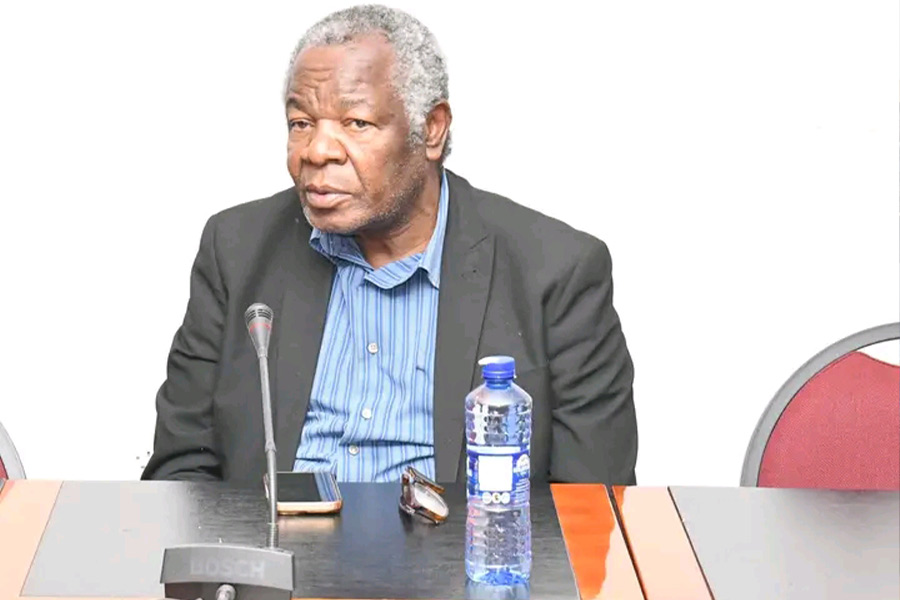
Appearing before the committee in Lilongwe yesterday, Dzombe accused Malawi’s investment environment of frustrating local investors, saying lengthy approval procedures had slowed down a project intended to benefit farmers and the economy.
“Every investment project has challenges, but what we have experienced has gone beyond normal administrative processes,” Dzombe told the committee.
He said the delays in obtaining certification and licensing had stalled the establishment of the factory, discouraged potential investors and caused significant financial and personal strain.
Dzombe told lawmakers that while awaiting government approval, his company partnered with farmers in Dowa to source fertiliser from established manufacturers to help meet demand.
He said some potential investors withdrew interest in the project because of uncertainty surrounding the approval process, adding that the delays had affected the project’s prospects.
Dzombe also defended ownership of the land earmarked for the factory, saying the 26-hectare property was surveyed in 1971 and that he obtained a title deed in 1979 before it was later misplaced.
“Misplacing a title deed does not mean ownership of the land has been lost,” he said.
The investor further questioned MEPA’s requirement for payment of K10 million in environmental assessment fees, saying it reminded him of an earlier international bus terminal investment where he claimed to have lost K500 million after the project failed to materialise.
His Environmental and Social Impact Assessment (ESIA) team leader, Robert Matengula, who appeared virtually, also questioned the lengthy approval process, saying previous projects had not encountered similar challenges.
However, appearing before the same committee, MEPA Executive Director Wilfred Kadewa said the authority had followed the law throughout the approval process and had not unnecessarily delayed the project.
Kadewa told lawmakers that MEPA’s board had approved the project and that only the issuance of an environmental certificate remained after all stages of assessment were completed.
He said the developer submitted the project application on March 24, 2025, but the process stalled for about nine months, from July 2025 to March 2026, after a revised Environmental and Social Impact Assessment report was not resubmitted and required fees were not paid.
Kadewa said MEPA’s technical review identified concerns relating to hazardous waste management, wastewater handling, occupational safety measures, stakeholder consultations, project design and land documentation.
"The outstanding issues were later addressed, allowing the authority to complete the environmental approval process. Once the outstanding issues were addressed, the approval process was completed,” Kadewa told the committee.
He emphasised that under the Environmental Management Act, projects requiring an Environmental and Social Impact Assessment cannot proceed without written approval from MEPA and compliance with all conditions attached to that approval.
The Parliamentary inquiry, established following a ruling by Speaker of Parliament Sameer Suleman, is expected to determine whether the delays resulted from regulatory requirements, administrative inefficiencies or shortcomings by the developer.