















ZODIAK ONLINE
ArtBridge House, Area 47
Sect. 5, P/Bag 312
Lilongwe, Malawi
Sect. 5, P/Bag 312
Lilongwe, Malawi

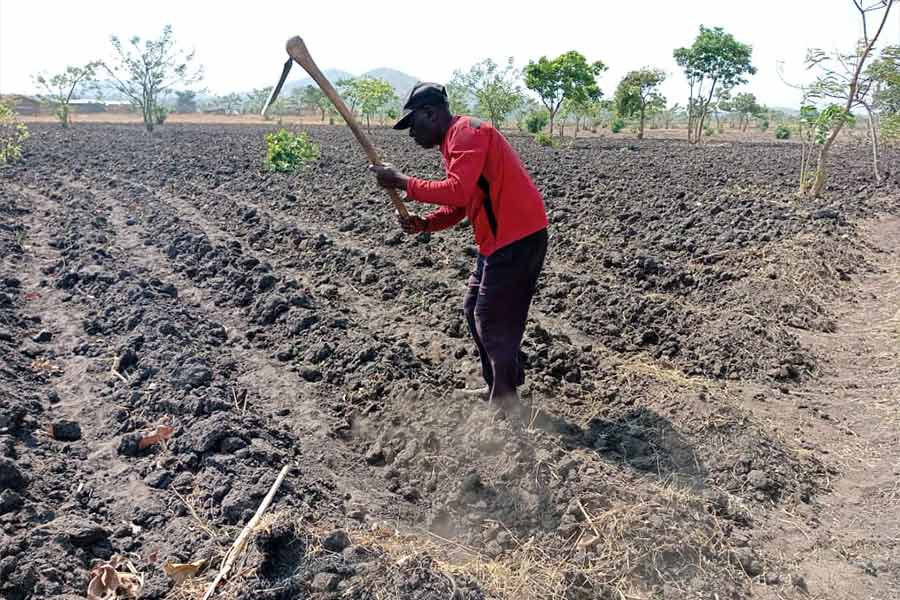
In Malawi, one of the major reasons why political leadership changes is food insecurity.
In the run-up to the September 16 elections, food security was, yet again, a campaign issue.
And on assuming office, new president Peter Mutharika is faced with over four million citizens with critical need for food for the next six months. That is a bill of at least 300bn Malawi Kwacha enough to construct the Mpatamanga Hydropower Storage project which the nation must have.
It is now history that Malawi ever produced enough for her people and for export as, since 1998, the country has faced chronic food shortages due to cuts in production capacity for maize.
However, this endemic shortage of food in Malawi is directly linked to effects of climate change.
Pest infestations, drought, disease outbreaks, floods and strong winds brought on by climate change make it harder to produce food in Malawi. As a result, the price of food, specifically maize, rises and access becomes more and more limited, putting millions at risk of hunger.
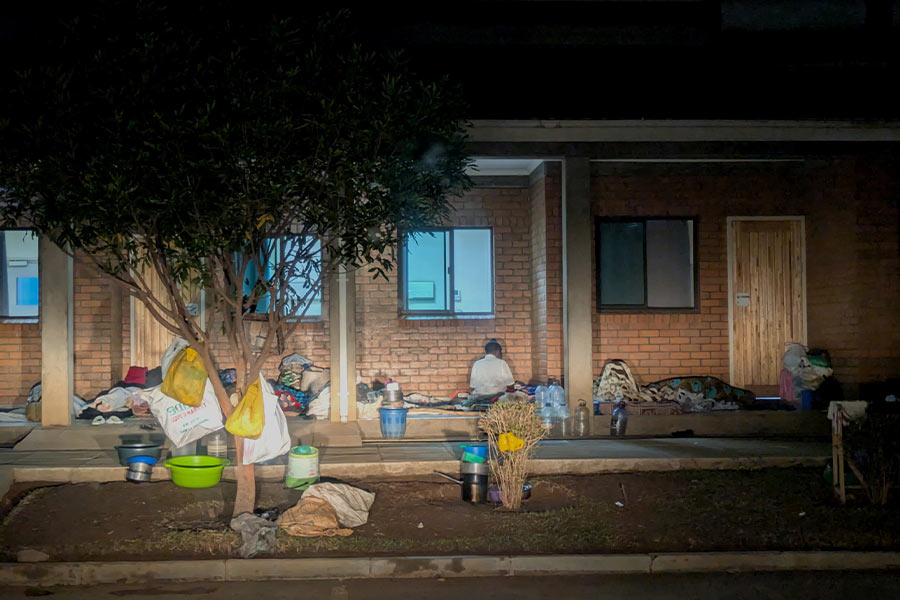
“I was home when Cyclone Freddy hit on March 13, 2023. My house and six other houses collapsed. The cyclone washed away all our crops.
“Climate change, to me, is about changing weather patterns. I struggle to fully understand the connection. What I remember clearly is how difficult life became after the cyclone-it took us a very long time to recover from just a few days of devastation,” says John Grant, aged 40, from Kajawo village in the area of Traditional Authority Chidothe in Thyolo district.
The cyclone struck at the peak of the lean season, when a significant cholera-outbreak had hit Malawi and hunger and food insecurity were high. The people of Kambuwa village in Traditional Authority Chimaliro in Thyolo did not harvest enough that year. They lost lives and property too.
"It was a terrible experience-heavy rains and strong winds destroyed my house as well as those of my neighbors. The cyclone also washed away all my crops, leaving my family facing severe hunger. I was at home when Freddy struck,” recalls Tereza Thomu, 28, a single mother of two.
One after the other, government administrations have been forced to import maize year-in-year-out despite investing billions into exclusive rain-fed farming programs targeting food security.
The quest for food security in Malawi has faced serious disruptions from climate change impacts Dr. Tamani Nkhono Mvula is an expert in agricultural policy and development. He attests to climate change challenges that the country is facing in this effort to fight-off food insecurity.
“The other issue is about floods and droughts and the issue of heat stress. Because there is global warming, temperatures are increasing. These have altered the normal functioning of some crops, especially maize, rice-heat sensitive crops which, with a small rise in temperatures, can drastically reduce productivity or output.
“The other issue …is the manifestation of diseases. The larger Grain-Boler, for example, are pests that we never used to know in Malawi but now are very much prevalent…what we have seen is that over the years we have seen an increase of pests and diseases that were not prone to Malawi and most of these are coming because of increase in temperatures,” says Tamani Nkhono Mvula.
He says climate change has negatively affected smallholder farmers’ general production pushing up hunger and poverty consequently translating to macro-economic indicators of the country such as inflation “climate change is a very big issue because it is affecting livelihood in general.
“Climate change is bringing social order breakdown. Let us find ways how to deal with it. If we don’t, it is not only agriculture or hunger. Coherence of the whole society is affected. Hunger is everything…no country has ever developed before answering the question of food security. But now we are seeing what we call a diversion effect of resource allocation. Because food security is the most basic thing, we are leaving everything on development so people should eat first”.

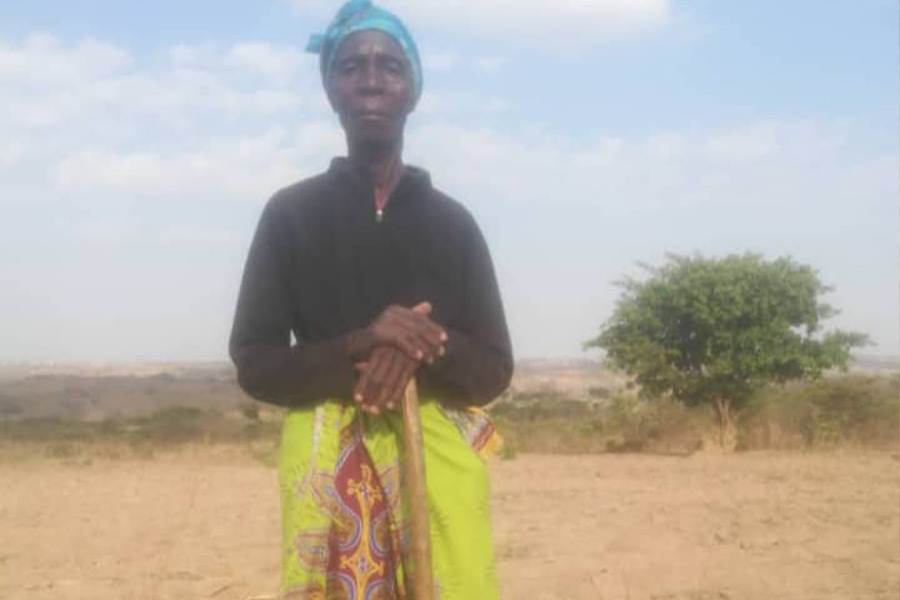
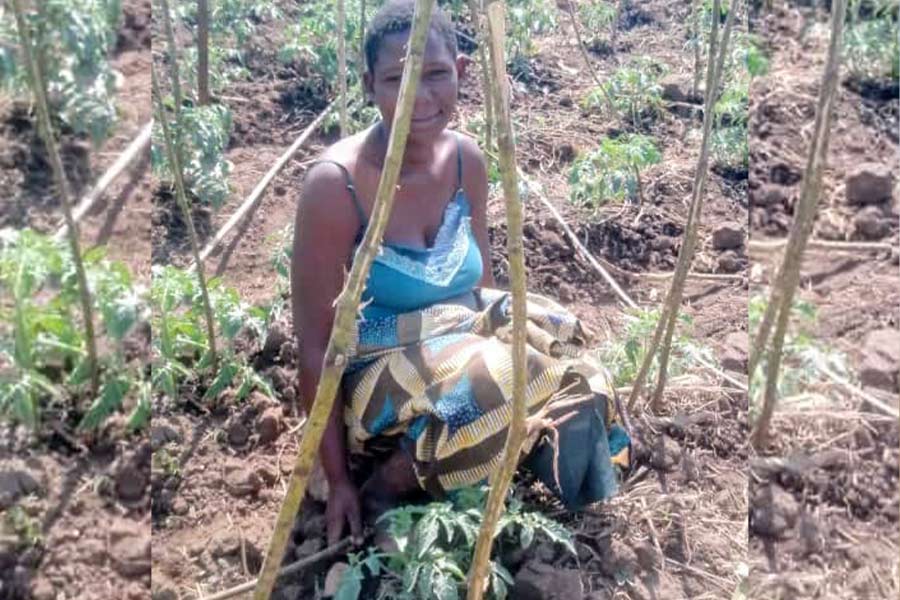
Agriculture is sensitive to climate and weather. Agriculture also relies on natural resources affected by climate such as water and land. Climate change, as experts have demonstrated, can affect soil, livestock, crops and water resources, rural communities and even agricultural workers.
“Climate change has opened our eyes in terms of-new thinking. So even at household level now it would be easier for extension workers to encourage people to go into these other crops because of the challenges that people are seeing for themselves,” according to Dr. Nkhono Mvula.