








ZODIAK ONLINE
ArtBridge House, Area 47
Sect. 5, P/Bag 312
Lilongwe, Malawi
Sect. 5, P/Bag 312
Lilongwe, Malawi

At Bwaila Hospital in Lilongwe, 52-year-old Thoko Banda (not her real name) sits quietly on a wooden bench, her health passport thick with years of medical records. Diagnosed with HIV over a decade ago, she now also lives with hypertension and diabetes.
“I spend most of my time at the hospital,” she says. “If it’s not for one illness, it’s for another.”
For Banda, illness is no longer a single diagnosis, it is a daily struggle to survive multiple conditions in a health system that treats them separately. Each week means new appointments, transport costs, and time away from the small business that feeds her family.
Her story is not unique. It is the face of a growing but largely invisible crisis—multimorbidity, the coexistence of two or more chronic conditions in one individual.
A landmark study by the Malawi Liverpool Wellcome Trust in collaboration with the Kamuzu University of Health Sciences has uncovered the scale of this challenge in Malawi and Tanzania, exposing critical gaps in healthcare delivery.
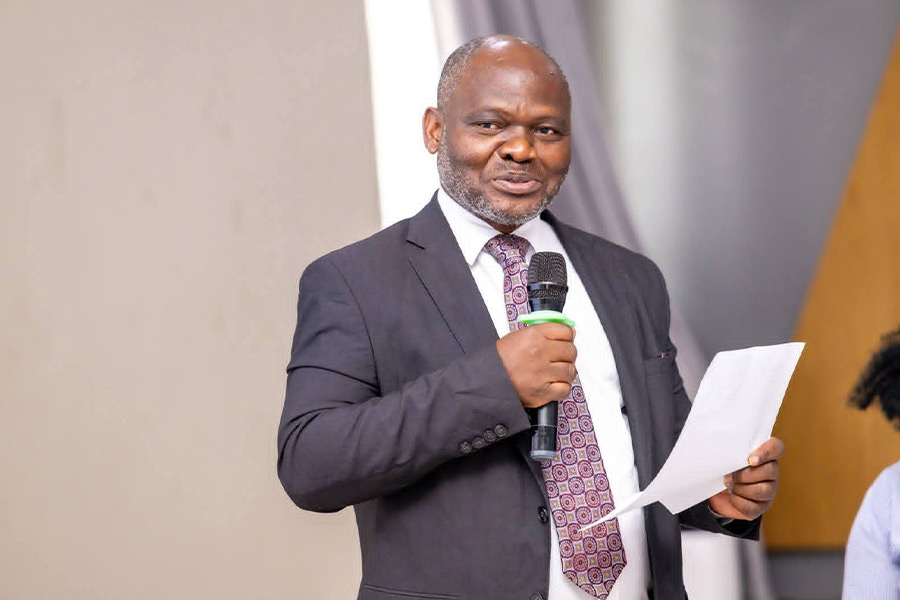
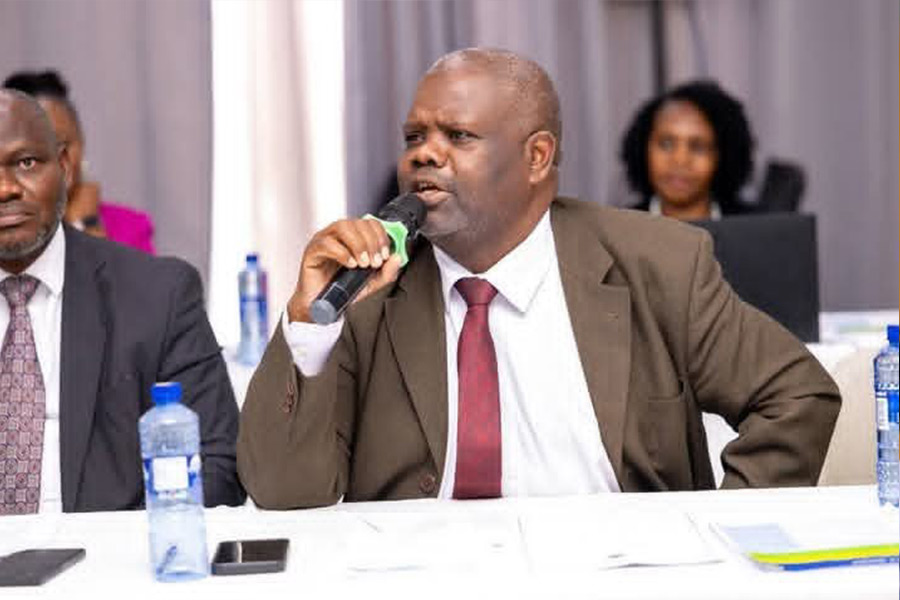
Disseminating the findings in Lilongwe this week, lead researcher Adamson Muula did not mince words: “Our health systems are still largely designed to treat single diseases,” he said. “But multimorbidity places a heavy social and economic burden on patients, families, and communities.”
The research, conducted between 2022 and 2025 under the Multilink Consortium with funding from the UK National Institute of Health and Care Research, is the first to map the burden and composition of multimorbidity in hospital settings in sub-Saharan Africa.
Its findings are stark. Multimorbidity was identified in 64.1 percent of patients with hypertension, 61 percent of those with diabetes, and 26.2 percent of those living with HIV - revealing how diseases overlap in ways the system is not designed to manage.
Even more concerning is the gap in treatment. While over 90 percent of HIV patients were receiving medication, less than half of those with hypertension and diabetes were on treatment at the time of hospital admission.
Experts say this reflects a deeper systemic imbalance where well-funded, vertical programmes for infectious diseases like HIV have outpaced care for non-communicable diseases.
The consequences are severe. Many patients are only diagnosed with conditions such as hypertension, diabetes, or heart failure when they are already critically ill. Nearly 40 percent of those affected are aged 60 years or younger—challenging the long-held belief that chronic illness is mainly a problem of old age.
For Banda, the cost is personal and relentless. Multiple clinic visits mean lost income, while buying medication and paying for transport drains already limited resources.
Health experts warn that this burden extends beyond individuals, affecting workforce productivity, increasing healthcare costs, and slowing national economic growth.
Jonathan Ngoma, Director of Curative and Medical Rehabilitation Services in the Ministry of Health, described the findings as both timely and urgent.
“The message to the public is clear: patients should be treated holistically for all their illnesses rather than focusing on single conditions,” he said adding that the findings align with Malawi’s Health Sector Strategic Plan III, which advocates for integrated care.
Researchers argue that without urgent reforms, improved diagnostics, better linkage between primary and secondary care, and patient-centered treatment models, the crisis will continue to deepen.
For Banda, the solution is simple, yet powerful: “I just want to be treated as one person, not as different diseases.”
Her words echo far beyond the walls of Bwaila Hospital, capturing a silent epidemic that is steadily reshaping the country’s health system and demanding urgent national attention.