





ZODIAK ONLINE
ArtBridge House, Area 47
Sect. 5, P/Bag 312
Lilongwe, Malawi
Sect. 5, P/Bag 312
Lilongwe, Malawi

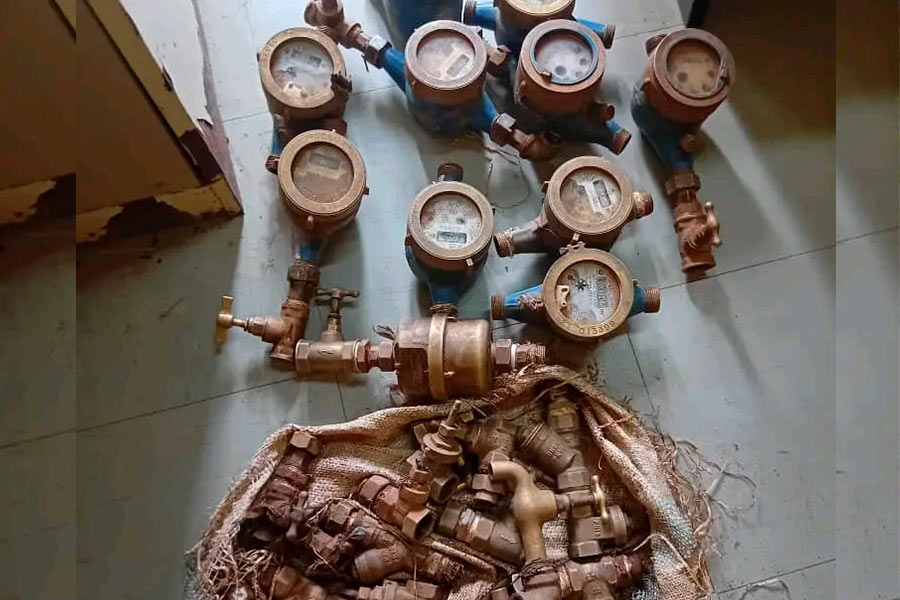
Malawi is facing rampant theft of utility equipment, such as water board meters, more than ever before.
Members of the community are turning to any metal they see, vandalizing it or stealing it to sell at scrap metal markets found in almost every corner of the towns.
The majority of those selling scrap metal are children.
Despite this, Malawi has an act that prohibits scrap metal dealers from purchasing metals from children under the age of 14.
However, this law is outdated and not being enforced.
While Malawi continues to procrastinate on implementing proper regulations, it is the water boards and communities that are suffering.
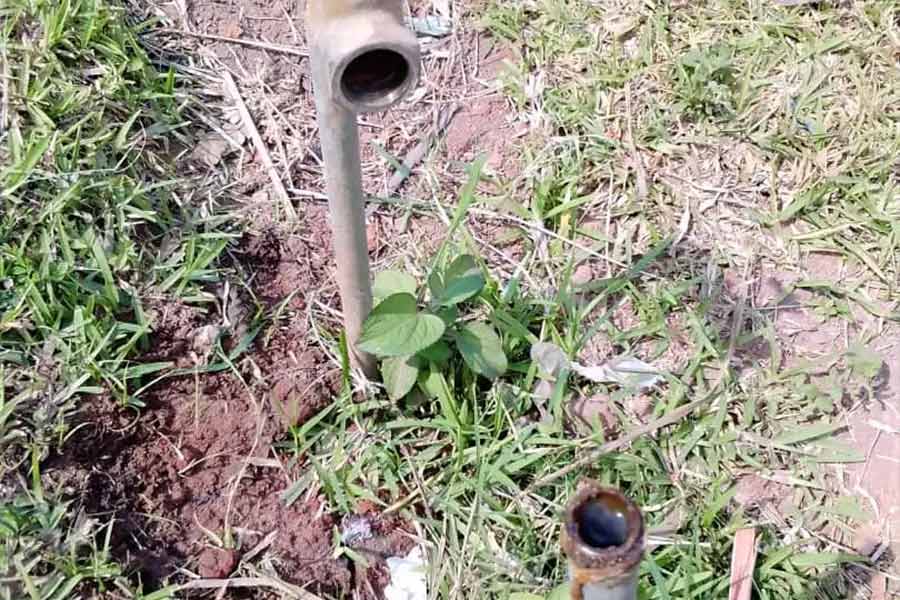
Stellah Chauwa, a single mother of two from Chinsapo 2 Township, has been forced to wake up earlier than usual every day since thieves broke into her compound four weeks ago and stole her water meter and tap.
Each morning, she stares at a half‑meter standpipe that no longer has a tap, a constant reminder of her struggle. Nearby, two other standpipes without meters stand as silent witnesses to the growing problem.
Chauwa, who is a footwear vendor at Chinsapo Market, is not used to walking long distances to fetch water or buying it per bucket. Yet, with no other option, this has become her new reality.
Chauwa explained: “I am deeply affected because I am not used to carrying water on my head, yet I have no other option. Living in a community now facing constant water supply challenges makes it even harder.
“Often, when I go to queue for water, I end up failing to collect any because the supply stops before my turn comes."
A Widespread Problem
Chinsapo Township is among the hardest hit areas when it comes to theft of water board equipment and infrastructure. In March alone, community members apprehended two suspects found with 17 stolen meters and several taps, handing them over to police.
Around Chauwa’s neighborhood, at least five houses have been attacked. Joyce Katopola’s home has been repeatedly targeted. In one incident, her husband traced their stolen meter to a scrap metal market, leading to the arrest of the perpetrator.
However, to the community’s frustration, the suspect was released on bail shortly after. Days later, he was rearrested by neighborhood security for another theft.
On 18 March, the 17‑year‑old boy from Traditional Authority Malili in Lilongwe was convicted of six counts of theft and sent to Chirwa Reformatory Center in Zomba.
“When my husband went to work at Chisapo 2 Market, he came across a boy selling pipes and meters. Pretending to be one of the buyers of scrap metal, he immediately recognized our meter and pipes among the items. Without hesitation, he caught the boy right away," She said.
The Bigger Picture
According to the Lilongwe Water Board, theft of meters and illegal connections are major drivers of “non‑revenue water,” which currently stands at 32%.
Government Annual Economic Reports show that since 2023, Malawi has been losing no less than 50 billion kwacha every year due to water losses. The 2025 report revealed that Blantyre Water Board topped the list with nearly 50% non‑revenue water, followed by the Northern Region Water Board at 33% and the Central Region Water Board at 27%.
Scrap Metal Trade Fuels Infrastructure Vandalism
Sanitation expert Mike Chimaliza warns that the worsening vandalism of water board infrastructure is affecting households, communities, and the water boards themselves.
“This problem forces families to resort to unsafe water sources, which can lead to water‑borne diseases,” he explains. “At the same time, water boards fail to generate the much‑needed revenue and cannot operate at their full potential,” he added.
Malawi’s booming scrap metal business, found in almost every community, is poorly regulated. It is at these markets where most stolen water board equipment ends up.
The problem extends beyond water boards. The Electricity Supply Corporation of Malawi (ESCOM) and Central East African Railways (CEAR) have also been hit hard by infrastructure vandalism linked to scrap metal sales.
Social commentator Isaac Cheke Ziba describes the practice as “a reflection of a rotten society and lack of morality,” criticizing the theft and sale of essential service equipment.
He began by stressing that “That kind of behaviour defines us as a people, and it is not good.”
He added that it is important to follow rules and regulations if society is to move forward properly.
Highlighting the cycle of vandalism, he explained: “Somebody commits a crime, vandalising property, say Water Board equipment, and traders accept and resell those stolen items back into the same society.”
He concluded that this reflects “a society with a rotten culture, marked by moral decadence.”
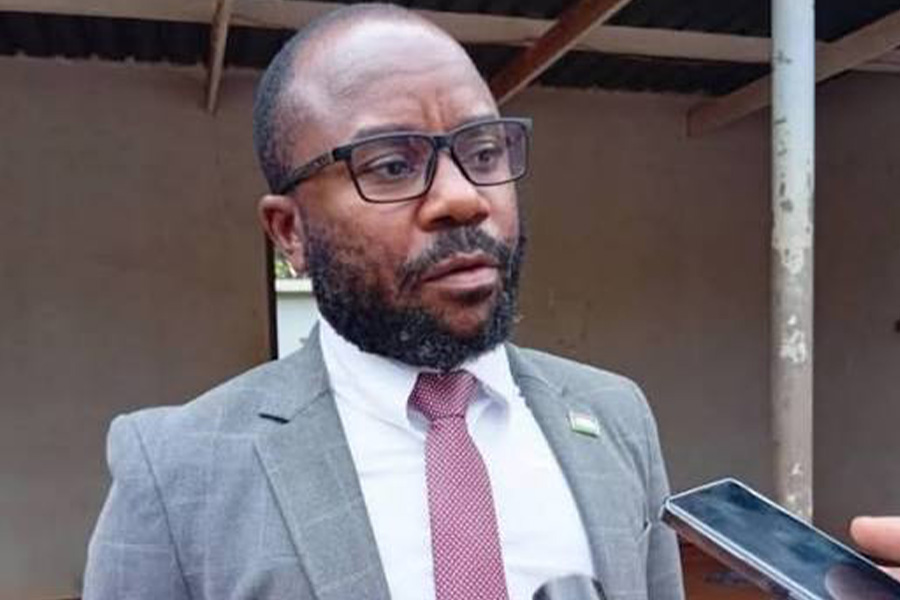
Silvester Ayuba James, Chairperson of the Parliamentary Committee on Commissions, Statutory Corporations and State Enterprises, acknowledges the regulatory gap in the scrap metal trade and its contribution to the destruction of public infrastructure.
“What we plan to do as the Parliamentary Committee is to invite all Water Boards and hear from them directly on how they want us to lobby for a tighter regulatory environment,” He said.
Children in Scrap Metal Markets
At many scrap metal markets, primary school children as young as 10 are seen trading metals. This is against the law.
The Second‑hand and Scrap Metal Dealers Act of 1973 prohibits children under 14 from engaging in scrap metal sales.
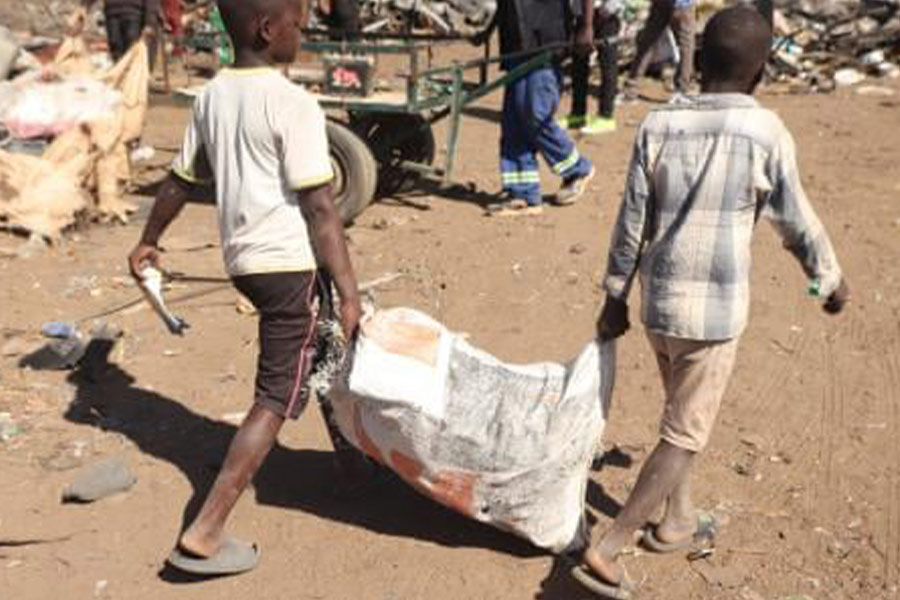
The Act also requires the appointment of a scrap metal registration authority, obliges dealers to report stolen goods, prohibits foreigners from engaging in the business and mandates that businesses operate from proper shops with registered names.
In reality, most dealers operate in open grounds, piling heaps of metals and buying anything brought to them.
Patrick Botha, spokesperson for the Ministry of Trade, says efforts to revise this outdated legislation are underway.
Botha said: “The Scrap Metal Dealers Act is outdated, which is why we announced plans to review it. Arrangements and preparations are already underway.
“Although we were unable to carry out the review in this financial year, we are hopeful it will be done in the new financial year.”
Patrick Jonathan, Chairperson of the Association of Secondhand and Scrap Metal Dealers, insists that registered members are prohibited from buying undocumented scrap metals.
He shifts blame to foreign buyers, claiming they are driving the illegal trade.
“Indians, Chinese, and other foreigners are coming to Malawi to invest in the scrap metal business. What we need is to discuss how to handle these issues, because the foreigners are buying anything without restriction,” he explained.
Communities Demand Action
Back in Chinsapo 2 Township, residents like Stellah Chauwa and Joyce Katopola want the rampant theft of water meters to stop. They are calling on police to ensure perpetrators are held accountable.
Central West Police spokesperson Foster Benjamin says officers are on the ground addressing the issue.
“As police we have also intensified our efforts to crack down on such criminality. We have arrested some individuals, they are currently on remand at Maula Prison, where they are waiting for their sentences,” he said.
He added: “As Central West Division of Police we will continue to enforce our measures to curb such kind of vandalism. And anyone who is involved in such kind of criminality will be hunted down, arrested, taken before court and convicted accordingly.”
The Cost of Inaction
Malawi’s failure to review and enforce the outdated Scrap Metal Dealers Act is taking a heavy toll. Water boards, institutions, and families like Stellah Chauwa’s are paying the price for unchecked vandalism.