




ZODIAK ONLINE
ArtBridge House, Area 47
Sect. 5, P/Bag 312
Lilongwe, Malawi
Sect. 5, P/Bag 312
Lilongwe, Malawi

Jailos Solomon was 34. He took the night shift at Malamulo Health Sciences because the pay could cover school fees for his children and provide something extra for his family in Mkusa Village, Thyolo.
On the night of January 23, 2026, he stood guard with Chikondi Samson, 34, and Yolamu Chilapani, 43, at a pumping dam within the campus. Nearby stood an ESCOM transformer that powers the water pumping system, a hospital, a secondary school and a college. None of them knew the transformer would become their enemy.
Around midnight, a gang armed with panga knives and axes moved through the darkness.
Southern Region Police spokesperson Edward Kabango said the men tied up all three guards, snatched their phones and assaulted them. The gang then turned to the transformer and stripped it bare, stealing everything inside.
"One guard managed to loosen his ropes and ran to the nearest village for help. By the time villagers arrived, the robbers were gone. The three were rushed to Malamulo Hospital. Jailos died there from loss of blood after severe head injuries. A postmortem confirmed it. Chikondi and Yolamu are still receiving treatment," he said.
The death sent shock waves across the nation. According to Kabango, police launched investigations and intensified efforts to track down the suspects.
Jailos came from Mkusa Village, Traditional Authority Khwethemule. He was a husband, a father and a son. He was not guarding copper. He was guarding lights for patients in labour, water for students and power for a college that trains nurses.
When the transformer was vandalised, sections of the institution were plunged into darkness and taps ran dry for days. A hospital without water and power is a hospital that cannot save lives.
For 37-year-old Edda Welemu, life changed forever in the early hours of that day.
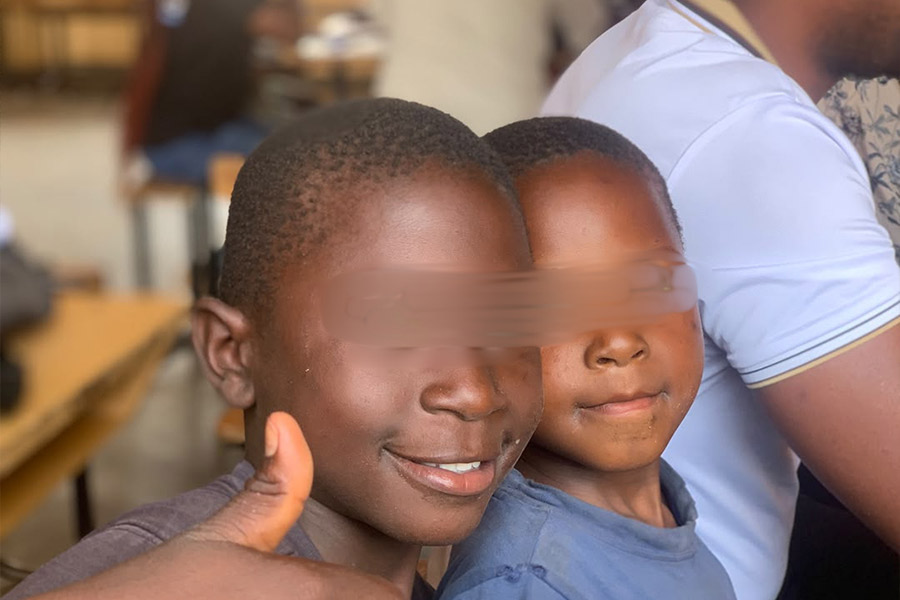
Her husband, Solomon, was not only the family's breadwinner but also the father of their five children, the youngest just five years old. Today, nearly every struggle the family faces traces back to the brutal night he was murdered.
Edda recalls receiving a phone call in the wee hours informing her that her husband, together with other guards, had been attacked by thugs.
"That day, I received a call around 2 A.M. that my husband had been attacked by thugs alongside others. When I went there, I found him already dead. He was hacked in the head and his limbs were broken. I am really suffering with the children, and officials at his workplace have yet to help us. They only gave us two months' salary and told us to wait. He left an unfinished house," she said, fighting back tears.
According to Edda, Solomon's attackers showed no mercy. His body was stuffed into sack bags and abandoned.
Six months after his death, the pain remains fresh. The family is still waiting for gratuity payments from his former employer, support Edda says could help ease the burden of raising their children alone.
The challenges have only grown heavier. Their first-born child, who scored an impressive 19 points in the Malawi School Certificate of Education (MSCE) examinations, has been selected to study at Chancellor College and is expected to begin classes in August.
What should have been a moment of celebration has instead become a source of anxiety for the family.
As Edda looks at her children's future, she is haunted by unanswered questions about how she will support them without the benefits her late husband worked for. The unfinished house Solomon left behind stands as a silent reminder of dreams cut short and a family still waiting for justice, closure and a chance to rebuild their lives.
Yet Malamulo's story is not an uncommon incident.
The Southern Region Water Board (SRWB) says it is losing significant revenue due to growing vandalism of its infrastructure. In June 2026 alone, more than 20 water meters were stolen within a week in Thyolo Boma and Luchenza.
SRWB Acting Manager for the Mulanje Zone, Wonderful Yonamu, said the board is working with police to stop the vice and has called on customers to help safeguard water infrastructure.
"The vandalism in the areas especially Thyolo and Luchenza is forcing us to work in circles since we are investing hugely to replace the stolen meters. The vandals are targeting metal components of the meters and as the board we are now planning to procure meters which are all plastic moving forward," he said.
The danger is no longer rare. ESCOM recorded 138 cases of vandalism between October 2025 and March 2026, resulting in 40 damaged transformers. In April 2026, five more transformers were vandalised. In May, another one was brought down in Zomba.
Each broken transformer carries a human cost.
ESCOM Chief Public Relations and Communications Officer Pilirani Phiri said the situation is getting out of hand and called for collective action to address the problem.
"We are not just losing equipment. We are losing life and development opportunities. Infrastructure vandalism is not only a commercial threat, but also a direct attack on national development," he lamented.
According to Phiri, the utility loses more than K3 billion annually in indirect costs. Money that could be used to extend electricity to rural communities is instead spent replacing damaged infrastructure.
He said ESCOM has launched "a high-stakes, ad-hoc 30-day nationwide campaign to raise public awareness and aggressively dismantle the networks enabling the destruction."
Guards like Jailos stand between that loss and the rest of us. They face gangs, darkness and weapons with little more than a torch and a whistle.
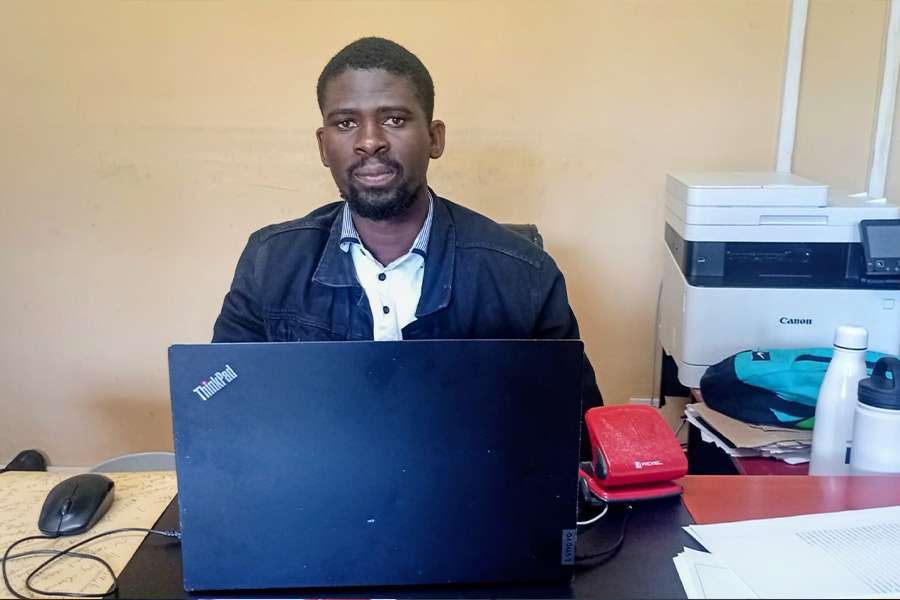 Thyolo District Commissioner Noel Dakamau admits the vice has reached alarming levels.
"You know equipment like transformers are very expensive. So don't harbour thieves in your homes, be alert and report any suspicious activities. I don't think a person can come all the way and steal the equipment without someone from the areas," he said.
Elsewhere, communities and law enforcement officers have managed to protect utility infrastructure from vandals.
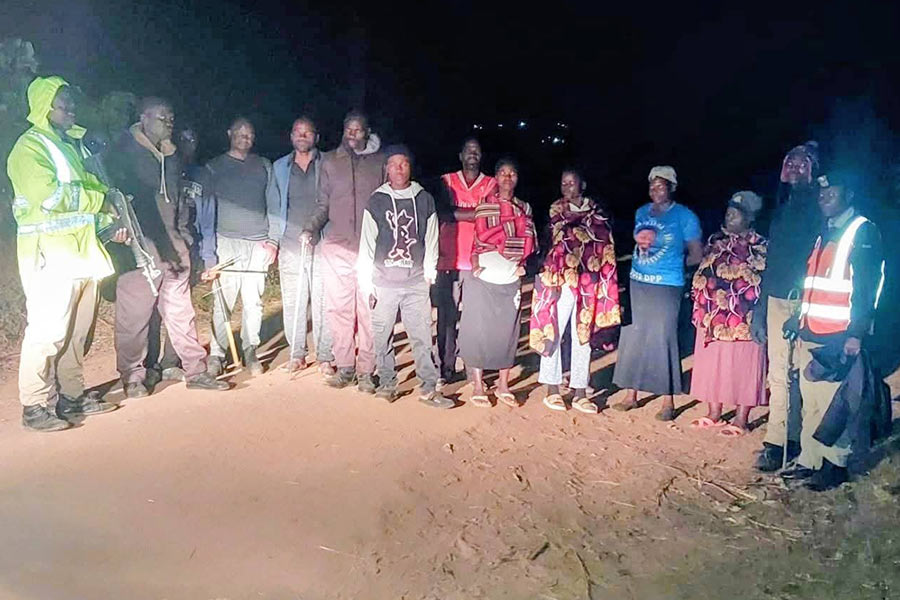
On the night of June 3, 2026, a joint patrol team comprising police officers and community members intercepted suspected vandals at Nazinomwe Village in Zomba as they targeted a transformer. The suspects had already disconnected high-voltage fuses and cut 1.5 metres of earth mat but fled and abandoned everything upon spotting the patrol team.
"These patrols are not random acts of bravery, but organised and deliberate community efforts mounted in response to a rising wave of syndicated vandalism nationwide. The utility salutes residents who sacrifice their night's rest to protect infrastructure that powers homes, hospitals, schools and businesses, noting that by guarding transformers and cables they are guarding their own communities," ESCOM said in a statement.
Security analyst Dr Sheriff Kaisi argues that many of these attacks appear to be inside jobs.
"One would not just wake up in the morning and take down a transformer, or a copper wire. These are the people who previously worked at ESCOM or EGENCO. I may call upon the corporation ensure staff retention and train their guards with special security knowledge on how to protect the materials," he said.
He added: "I suggest that ESCOM should work with the communities to help with undercover surveillance and track down such criminals. Again, there must be heavy punishments to the perpetrators."
But campaigns and warnings often come after funerals.
Jailos Solomon never came home to Mkusa. His children will grow up with his absence, and his friends will carry the memory of ropes on their wrists and the sound of metal being torn from a transformer in the darkness.
Across Malawi, men and women still take night shifts at dams, substations and pylons, guarding infrastructure that keeps the country alive. Each shift is a gamble. Each sunrise is not guaranteed.
When we talk about electricity access and development, we must also talk about Jailos. He was not a statistic. He was a guard who died because someone decided a transformer was worth more than his life.