













ZODIAK ONLINE
ArtBridge House, Area 47
Sect. 5, P/Bag 312
Lilongwe, Malawi
Sect. 5, P/Bag 312
Lilongwe, Malawi

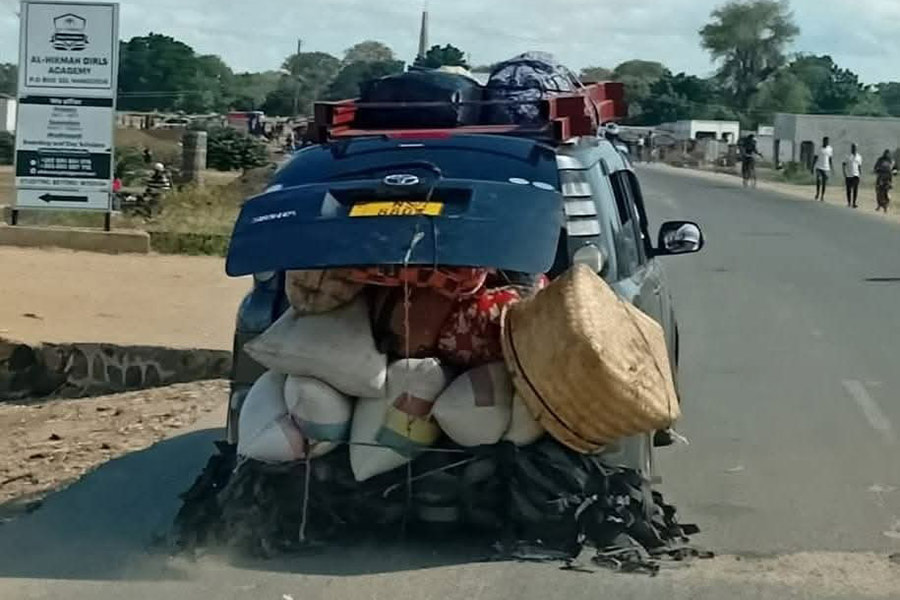
The Thyolo–Thekerani–Bangula and Chitakale–Phalombe–Zomba roads have become killing fields, with taxi drivers prioritizing profits over passenger safety. Overloaded taxis carrying up to 20 passengers are now a common sight, despite the obvious risks.
In early April 2025, I experienced the horror firsthand, squeezed into a Toyota Sienta and a Daihatsu Mira with four others in the driver’s seat, eight in the next row, and five in the back.
Children were among the passengers, some forced to stand. Two people even rode in the boot, while luggage was tied precariously on a roof without a carrier. Conductors clung to open doors, risking their lives.
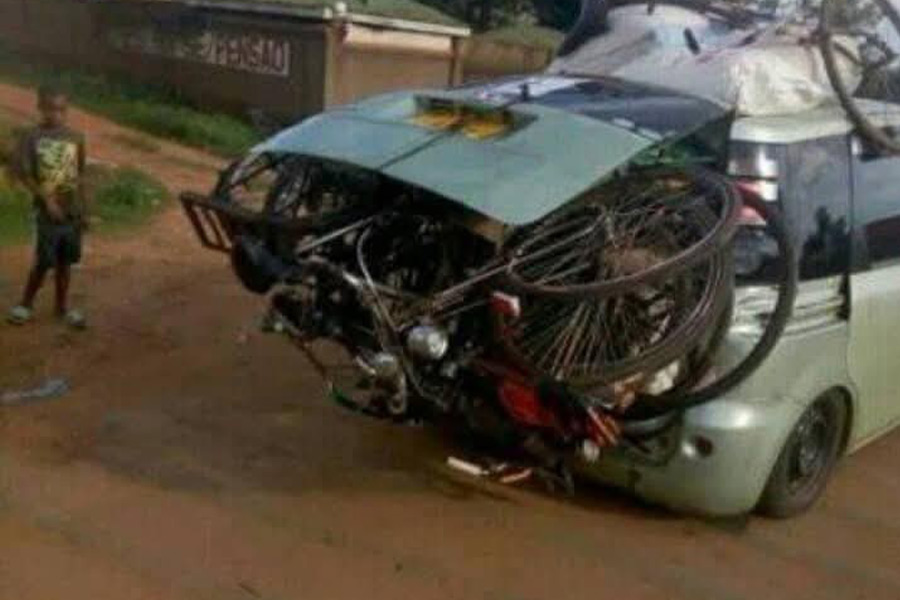
These saloon vehicles are designed to carry seven passengers or fewer, yet drivers cram in more than 13 extra people for profit.
“They pack us like sardines, and the drivers do not care,” said Chrissy Stephano, a passenger from Likulezi in Phalombe.
She added, “It has now become the new normal, even in full view of traffic officers.”
“It’s inhumane. Our lives are in danger. Government, please act before it’s too late,” echoed Duncan Sawasawa from Ndalama Village, Senior Chief Nchiramwera in Thyolo.
Businessman Enock Maphala from Njale Village, Traditional Authority Mphuka, believes taxi drivers are exploiting the crisis. He urged police to stop taking bribes.
“Fuel prices have gone up, but drivers are using this as an excuse. They raise fares and still overload cars,” he said, calling on fellow passengers to speak out against the malpractice.
Overloading is prohibited under Malawi’s Road Traffic Act (Chapter 69:01), which empowers officers to detain vehicles and fine offenders. The Directorate of Road Traffic and Safety Services (DRTSS) can even impound public transport vehicles for overloading.
Yet investigations reveal traffic officers often ignore the crisis—or worse, accept bribes and allow overloaded taxis to continue.
 Drivers blame fuel scarcity and soaring black-market prices at K15,000 per liter, nearly double the adjusted pump price of K7,000. Some report paying as much as K20,000 per liter.
Mphatso Katawala, a taxi driver on the Phalombe–Zomba route, admitted they are forced to overload: “We buy fuel at K20,000 per liter. To
survive, we meet the car owner’s daily target, cover fuel costs, and keep something for ourselves.”
Passengers disagree. “They are running a business, not ensuring safety,” said one traveler from Mphwanye Village in Mulanje.
Malawi has faced erratic fuel availability for over four weeks, with authorities citing loading delays at ports. The US–Israel conflict with Iran has disrupted maritime routes, crippling imports and worsening foreign exchange shortages.
In April 2026, the Malawi Energy Regulatory Authority (MERA) announced a 34 percent increase in petrol and diesel prices, and an 82 percent rise in paraffin. Spokesperson Fitina Khonje assured the public that more tankers were on the way, blaming logistical delays.
Road Safety Alert Foundation (ROSAF) director Joel Jere condemned the negligence: “This is a crisis. Overloading taxis with up to 20 passengers is turning roads into death traps.
Expensive fuel does not excuse risking lives. And traffic officers taking bribes is a betrayal of passenger safety.”
He called for immediate patrols, impounding of overloaded taxis, arrests of corrupt officers, and a confidential hotline for passengers to report bribery.
“Every overloaded taxi is a potential mass casualty waiting to happen,” Jere warned.
South East Police spokesperson Edward Kabango promised action: “The laws of this country are not situational. Whether in scarcity or plenty, traffic regulations must be followed. All perpetrators will be brought to book.”
He added, “Those with evidence of corruption should report it. The police will treat such information with utmost confidentiality.”
The government’s inaction is turning Malawi’s roads into death traps. Can fuel shortages justify such reckless misconduct or is profit being valued above lives?