









ZODIAK ONLINE
ArtBridge House, Area 47
Sect. 5, P/Bag 312
Lilongwe, Malawi
Sect. 5, P/Bag 312
Lilongwe, Malawi

More than a decade after Malawi enacted the Gender Equality Act, women remain significantly under-represented in leadership positions, exposing deep implementation gaps and renewed questions over accountability.
The 2013 law requires that no less than 40 percent and no more than 60 percent of either sex should occupy positions in the public service. However, current figures show women make up just over 20 percent of Members of Parliament and less than 20 percent in local councils, while senior public service posts remain male-dominated.
The gaps came into sharp focus during a roundtable discussion in Lilongwe on Malawi Government’s compliance with the Gender Equality Act, particularly Section 11 on public service quotas. The meeting, convened by the Women’s Manifesto Movement with support from Hivos, brought together stakeholders to assess progress and push for accountability.
A dispute has since emerged between government and the Malawi Human Rights Commission over responsibility for enforcing the law.
Deputy Director in the Ministry of Gender Fred Simwaka said government, as the framer of the law, should not also be its implementer.
“Government is the framer of the Act,” said Simwaka, arguing that enforcement should be left to institutions such as the Malawi Human Rights Commission.
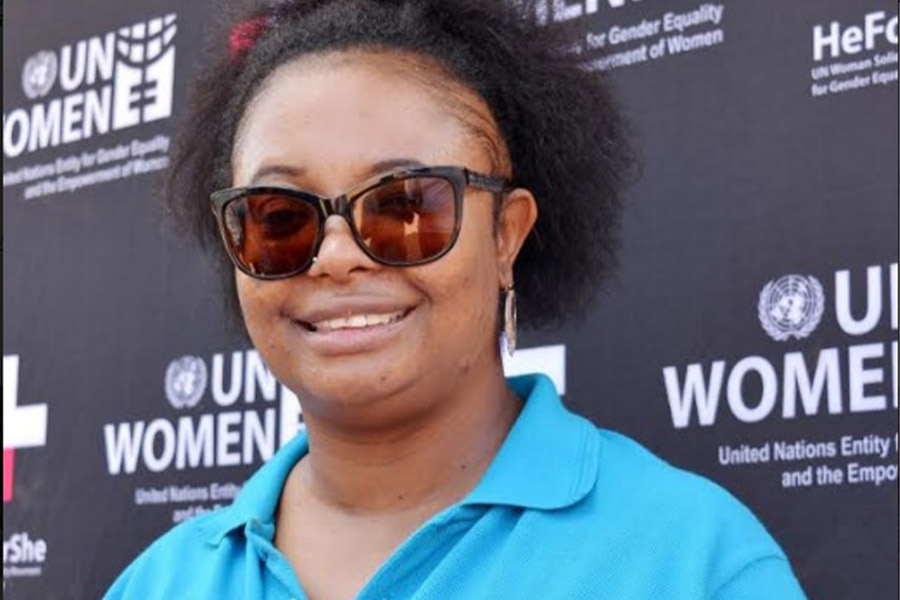
However, Malawi Human Rights Commission Honorary Secretary Habiba Osman said government must take the lead, adding that the challenges extend beyond institutional roles.
“There are policy misalignments, political barriers, informal cultural barriers and financial constraints,” said Osman. “These barriers do not operate in isolation.”
Osman further said that while the law provides enforcement powers, weak legislative frameworks and limited institutional support have made it difficult to ensure compliance.
“We do not have the necessary support to give the law teeth,” she said.
Women’s rights groups say the slow progress reflects these systemic challenges.
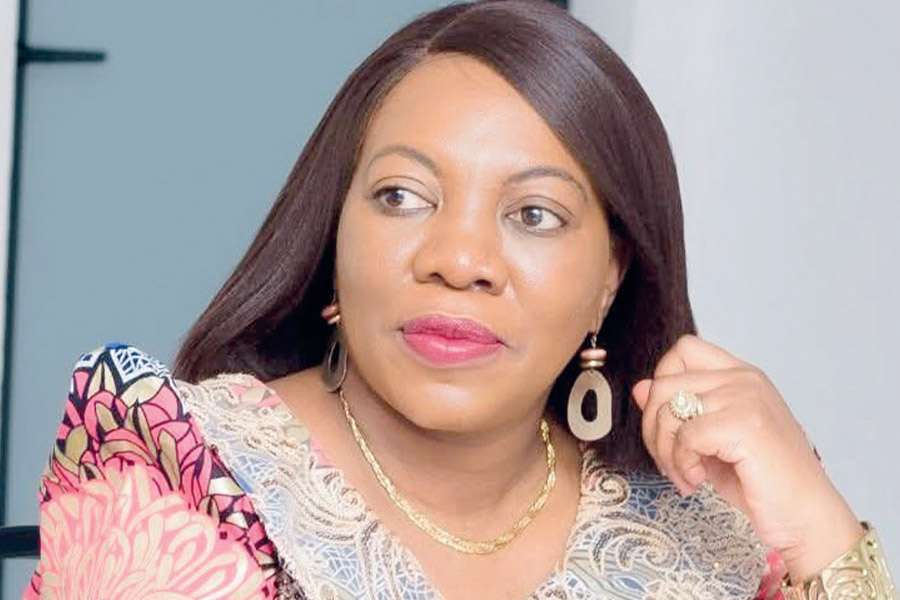
Women’s Manifesto Originator Maggie Kathewera Banda, who is also NGO Gender Coordination Network chairperson and Women’s Legal Resources Centre executive director, said gains have been minimal despite sustained advocacy efforts.
“Progress has been minimal,” she said.
Hivos Malawi Country Manager Tisungane Chipanda called for a review of the current approach, arguing that existing strategies have failed to deliver meaningful and transformative change.
“Current strategies have failed to deliver meaningful change,” said Chipanda.
Observers say the situation reflects a broader implementation deficit, where progressive laws exist but lack enforcement, coordination and political will.
The Gender Equality Act, for instance, provides quotas for the public service but does not extend to elective political positions, leaving political parties with wide discretion over candidate selection.
Coupled with high campaign costs, entrenched patriarchal systems and limited access to financial resources, these gaps continue to restrict women’s participation in leadership.
Stakeholders are now calling for legislative reforms, stronger enforcement mechanisms, increased funding for gender programmes and internal political party reforms to address the imbalance.
But with institutions shifting responsibility and progress remaining slow, the question remains whether Malawi can move beyond commitments and deliver on its promise of gender equality.