









ZODIAK ONLINE
ArtBridge House, Area 47
Sect. 5, P/Bag 312
Lilongwe, Malawi
Sect. 5, P/Bag 312
Lilongwe, Malawi

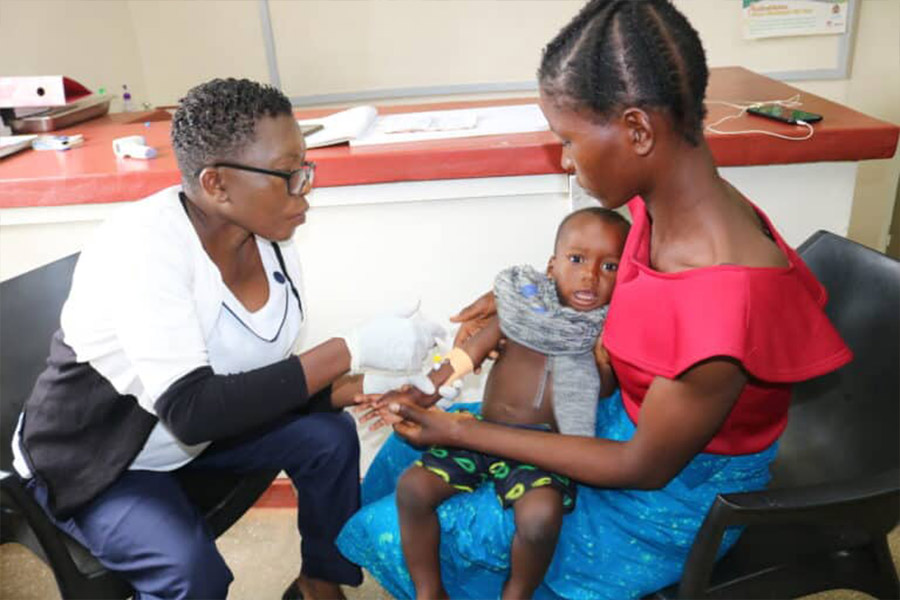
Malaria remains the number one killer disease in Malawi, with thousands of people dying from the disease every year, many of them children.
Despite this, there is hope for the country, with the Malaria Control Program in Malawi reporting over 40% reduction in malaria cases and 28% reduction in deaths in 2025.
Our reporter Innocent Kumchedwa has been finding out what this means to a local Malawian in the village, and at a larger level, to the country's health financing.
For decades, malaria has cast a long shadow over Malawi’s central region. In villages like Chatata, under Sub-Traditional Authority Chatata in Lilongwe district, families lived with the constant fear of fever, chills, and loss.
Hospitals once crowded with patients battling the disease now tell a different story: fewer admissions, fewer lives disrupted.
This transformation is no accident. It is the fruit of deliberate public health interventions, distribution of mosquito nets, awareness campaigns, improved access to treatment, and the resilience of communities determined to fight back.
Sub-Traditional Authority Chatata reflects with cautious optimism: “Malaria cases are still found here and there, but the government has provided us with mosquito nets, which we have been using. If we continue to maintain this positive effort, malaria could one day become a story of the past.”
That optimism captures the spirit of a community rewriting its own narrative. The fight is not yet over, but progress is undeniable.
What was once a daily struggle is gradually becoming a story of resilience, hope, and the possibility of a malaria-free future.
Numbers That Tell a Story
In 2024, Malawi recorded 9.4 million malaria cases. By 2025, that number had dropped to 5.4 million, a 43% reduction. Deaths too declined, from 2,252 to 1,629, marking a 28% decrease.
Behind these statistics are families whose lives have been transformed.
In Champhoyo village, Senior Chief Kalumo, in Ntchisi district Victoria Chikadzamtoto, credits mosquito nets and clean surroundings for her family’s freedom from malaria.
“The way we take care of our homes directly contributes to malaria cases. By leaving stagnant water and disposing of rubbish carelessly, we create breeding grounds for mosquitoes.
“If we keep our homes clean and ensure everyone sleeps under mosquito nets, malaria cases and deaths will be drastically reduced.”
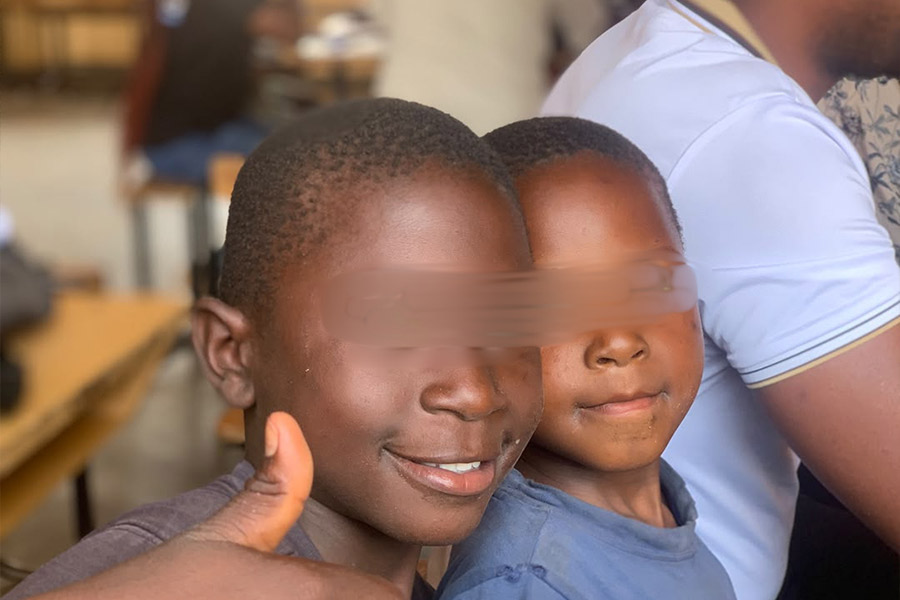
In Nkhotakota, Madalitso Kakowa’s children, aged seven and one year seven months, have never suffered from malaria. And in Chiwaula village, Chisomo Kanjoka recalls her last bout in 2021, but her four-year-old daughter has grown up untouched by the disease.
“During antenatal care, health authorities gave us fassida to protect both mother and child from malaria. They also provided mosquito nets, and when the child was born, we received more nets. Whether day or night, my child sleeps under them,” she explains.
The System Behind the Success
Dr. Lumbani Munthali, Manager of the Malaria Control Program, points to consistent supply of test kits, medicines, and the introduction of malaria vaccines in 11 districts as key drivers of progress. “When someone shows symptoms, they can go to a health facility, get tested, and receive treatment immediately. This consistency has been critical,” he says.
The government has reinforced this momentum by allocating 40.5 billion kwacha in the 2026–2027 national budget for drug procurement, including malaria medicines.
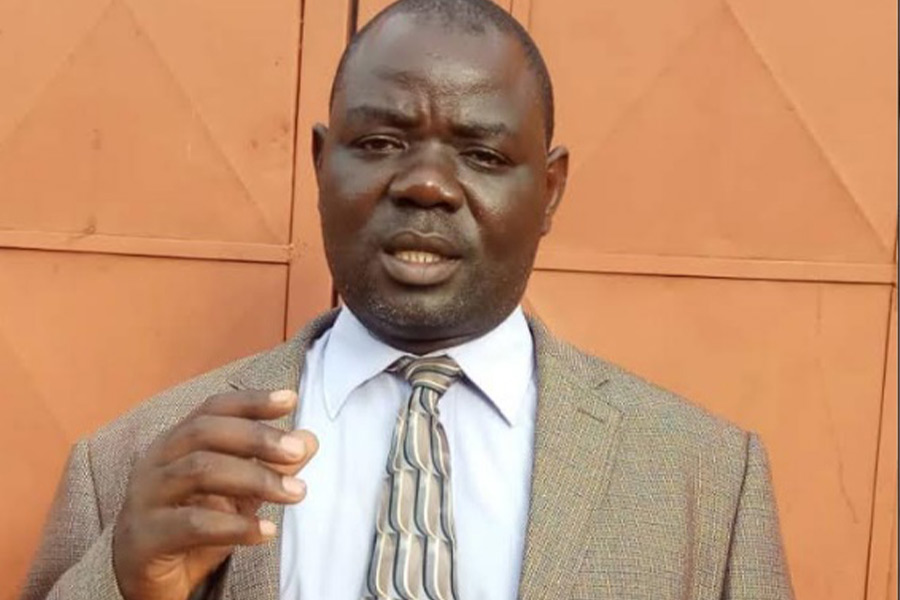
George Jobe, Executive Director of the Malawi Health Equity Network, highlights the broader impact: “If Malawi maintains this downward trend, we will spend less on malaria treatment. People will be healthier, more productive, and able to contribute to national development. Reducing deaths means families can focus on building their future.”
Beyond Numbers: A Human Victory
For families like that of Chisomo Kanjoka, the benefits go beyond government savings. With fewer malaria cases, households spend less on treatment, freeing resources for food, education, and other needs.
This is more than a health story, it is a story about the power of prevention. It is about how mosquito nets, vaccines, and clean surroundings ripple through the medical supply chain, health financing, and family well-being.
Malawi’s fight against malaria is far from over, but the progress is undeniable. What was once a relentless shadow is slowly giving way to light. And in villages across the country, hope is no longer just a dream, it is becoming reality.