














ZODIAK ONLINE
ArtBridge House, Area 47
Sect. 5, P/Bag 312
Lilongwe, Malawi
Sect. 5, P/Bag 312
Lilongwe, Malawi

At just 26 years old, Melita Jamison from Kampala Village, Traditional Authority Masasa in Ntcheu District, curses the day she lost one of her babies in the delivery room at Kasinje Health Centre in January 2026.
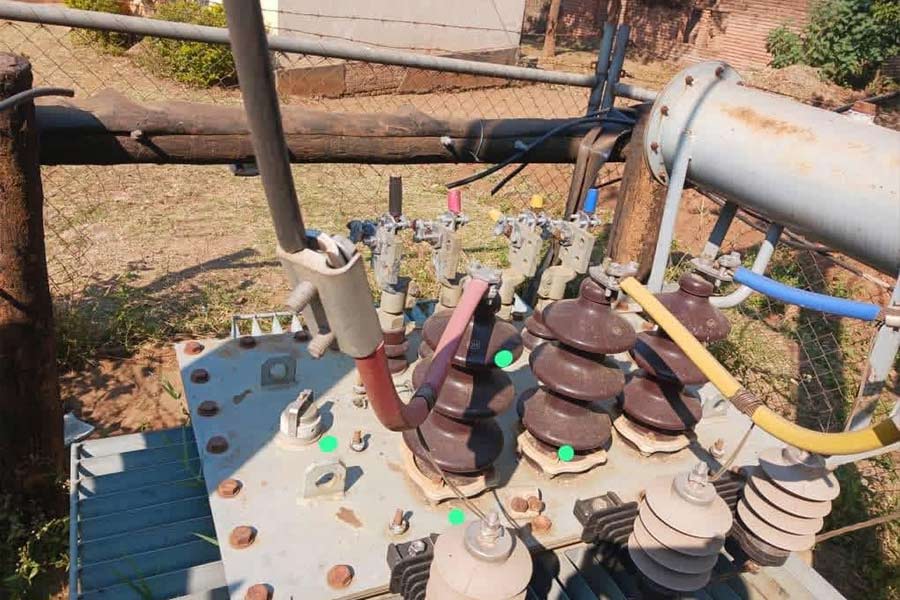
The electricity that should have powered the health facility could not save Melita’s baby because unknown individuals had vandalized the transformer supplying the centre.
Her recollection of that harrowing night is a journey into anguish: a mother watching helplessly as her newborn son’s life slipped away, breath by breath, until he could no longer fight for air.
The pain of death was unbearable, but equally devastating was the realization that nine months of hope, anticipation, and sacrifice had ended in vain.
"I delivered twins, but one was struggling to breathe. He needed supplemental oxygen, but there was no electricity. He died.
"It was painful—I am still in pain. Being pregnant for nine months and losing a baby hurts. I wish both my boys had survived," said Melita.
The majority of public hospitals in Malawi rely heavily on grid electricity. When blackouts strike and no backup power is available, patients’ survival hangs precariously—left to chance, or as many say, to the grace of God.
This is the story of how reckless decisions, where members of society put self-interest first by vandalizing Electricity Supply Corporation of Malawi (ESCOM)'s equipment, can end in tragic loss of life under avoidable circumstances.
Power outages caused by infrastructure damage do not only compromise hospital services; they ripple across other vital sectors.
Schools, water treatment facilities, and businesses all pay the price when electricity is cut off, leaving communities vulnerable.
Esnart Kanalo, Melita’s sister-in-law, says the baby’s death left a deep scar on their family.
"My niece was pregnant with twins. We expected two bouncing babies, but one died because there was no electricity. She returned home with one child. Government should consider installing solar power in facilities as backup to avoid such deaths," said Esnart.
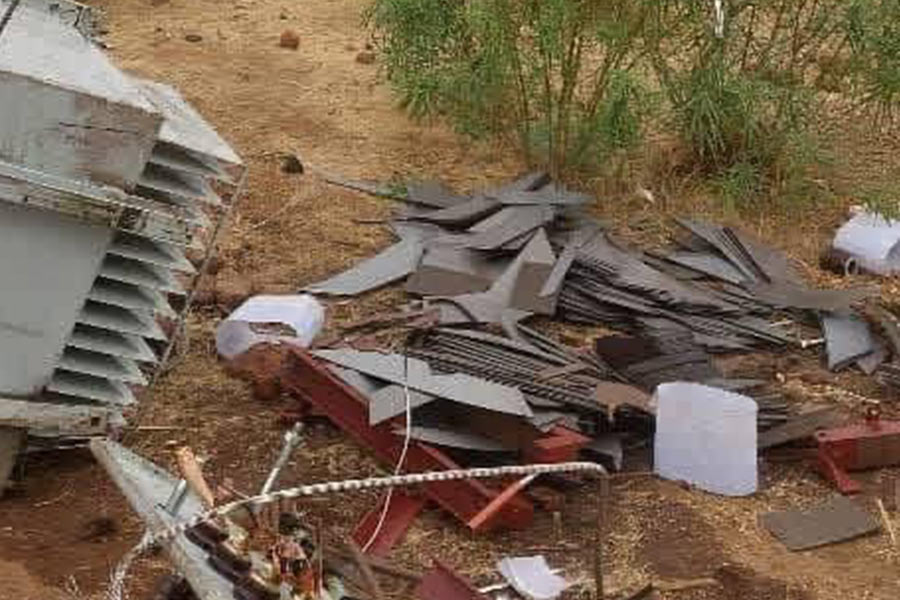
At Sinyala, in Traditional Authority Masumbankhunda, Lilongwe, tragedy struck on 13 November 2025 when criminals vandalized and brought down three ESCOM poles, stealing 400 meters of conductors.
Soon after ESCOM replaced the damaged poles and prepared to reconnect five trading centers, the suspects returned on 1 December 2025, stealing an additional 1,700 meters of conductors which plunged the area back into darkness.
The repeated vandalism disrupted power supply to Ndaula Health Centre, several schools, and five trading centers: Ndaula, Phirilanjuzi, Kapombeza, Chiputu, and Ching’anula.
Faida Ngwira, a medical assistant at Ndaula Health Centre, recounts how the outages severely compromised healthcare delivery.
"After people vandalized the ESCOM transformer, we had no electricity for three weeks. All vaccines were damaged. We struggled to assist accident victims, treat wounds at night, and manage deliveries.
"Children in need of oxygen were affected, and women bleeding after childbirth were left vulnerable," said Ngwira.
Parliamentarian for Lilongwe Philiranjuzi Constituency, Peter Dimba, says the prolonged blackout affected thousands of people.
"There is need for stronger enforcement of laws against vandalism of electricity infrastructure, alongside community sensitization to protect ESCOM property and act when such crimes occur," said Dimba.
At Queen Elizabeth Central Hospital in Blantyre, the largest referral hospital in the Southern Region, lives were endangered after criminals vandalized ESCOM property nearby.
Sipho Nyasulu, Controller of Hospital Administration and Support Services at Queens, said the blackout endangered patients on life-saving machines.
"The situation was bad; most patients were affected," he noted.
Ministry of Health Spokesperson Adrian Chikumbe emphasizes that public hospitals rely heavily on electricity, and vandalism of ESCOM property gravely undermines the health sector.
Health expert Maziko Matemba describes vandalism near health facilities as “unfortunate,” stressing that criminals fail to consider the impact on patients’ lives.
He called for stiffer punishments to deter such acts.
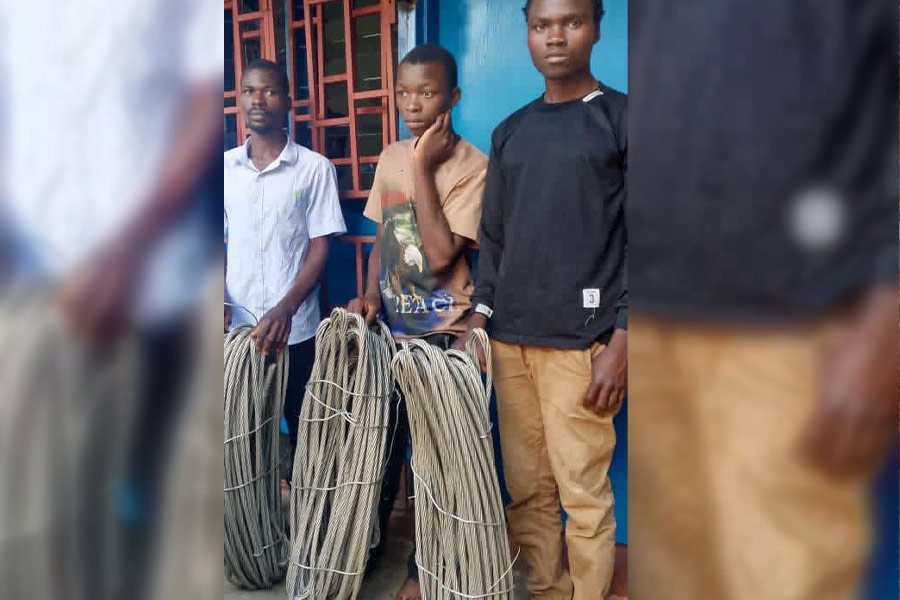
ESCOM Spokesperson Pilirani Phiri points out that vandalism is hitting the utility hard, with criminals targeting essential equipment across the country.
"This is worrisome. ESCOM is spending about 3 billion kwacha annually replacing damaged infrastructure—resources that could otherwise be used to connect new applicants to the grid," said Phiri.
Investigations reveal that most stolen materials, such as copper wire, transformer oil, and steel components, are sold to scrap dealers, both local and foreign.
The unregulated scrap metal trade has created a ready market for stolen ESCOM equipment, worsening the crisis.
Patrick Jonathan, Chairperson of the Association of Secondhand and Scrap Metal Dealers, stresses that registered members are prohibited from buying scrap metals without proper documentation.
He shifts the blame to foreign buyers, claiming they are driving the illegal trade.
Deputy Spokesperson for the Malawi Police Service, Alfred Chinthere, highlights that law enforcers are working tirelessly to arrest individuals vandalizing ESCOM property.
He also stresses the importance of community sensitization, urging citizens to take ownership of ESCOM property by protecting it from criminals and reporting cases of vandalism.
If the current situation persists, Malawi will continue to register preventable deaths caused by vandalism near hospitals.
The government will also keep spending vast resources on replacing damaged infrastructure—resources that could otherwise support development—ultimately weakening the country’s economy.