


ZODIAK ONLINE
ArtBridge House, Area 47
Sect. 5, P/Bag 312
Lilongwe, Malawi
Sect. 5, P/Bag 312
Lilongwe, Malawi

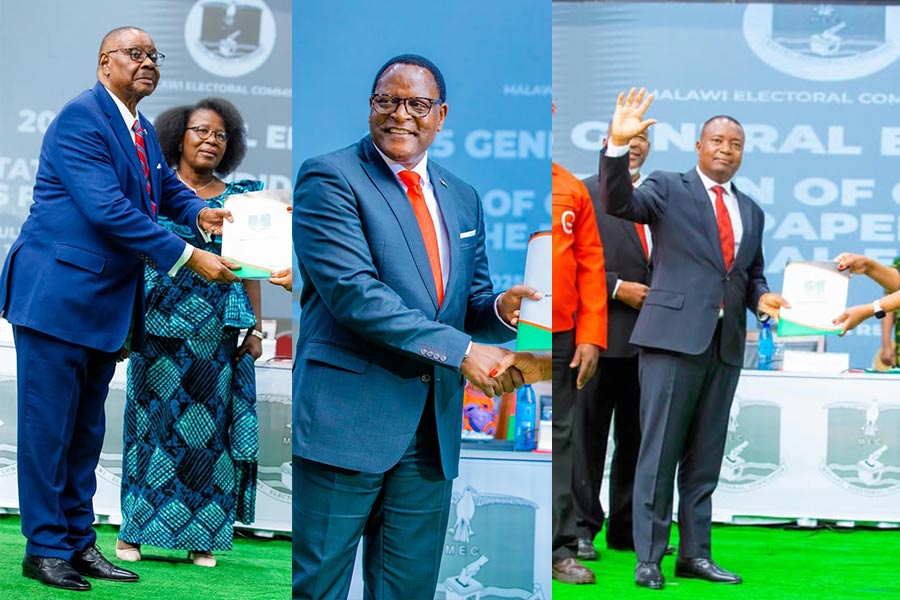
As the campaign period for the August 16 General Election reaches its climax, candidates are intensifying their efforts to reach 7.2 million eligible voters.
With 17 presidential candidates on the ballot, voters have a wide range of manifestos promising a better, more prosperous Malawi for its 21 million citizens.
However, a closer look at the manifestos of the three major contenders – the Malawi Congress Party (MCP), Democratic Progressive Party (DPP), and UTM – reveals a common thread: expensive proposals that raise questions about feasibility, given Malawi's fragile economy.
This article analyzes the manifestos, finding them heavy on promises and extravagant expenditures
The countdown to September 16 is accelerating as each day passes since the Malawi Electoral Commission (MEC) officially activated campaign mode on July 14.
As of today, Malawi’s 7.2 million registered voters likely have a clearer view of the presidential race, with MEC confirming a record-breaking 17 candidates cleared to contest.
This marks the highest number of presidential contenders ever to appear on a Malawian ballot.
All 17 presidential candidates have hit the ground running, using every available platform to promote their manifestos and convince Malawians that they hold the key to national development, as they always claim.
Yet, if Malawi’s political history is any guide, manifestos often serve more as instruments of persuasion than genuine blueprints for progress.
These documents tend to be filled with sugar-coated promises - pledges of prosperity and transformation that rarely materialize once candidates assume office.
This year’s election appears to follow a familiar pattern.
A closer look at the manifestos of major political parties reveals a trend of extravagant pledges - money-splashing proposals that raise serious questions about their feasibility, especially given the fragile state of our economy and the government’s limited revenue-generating capacity.
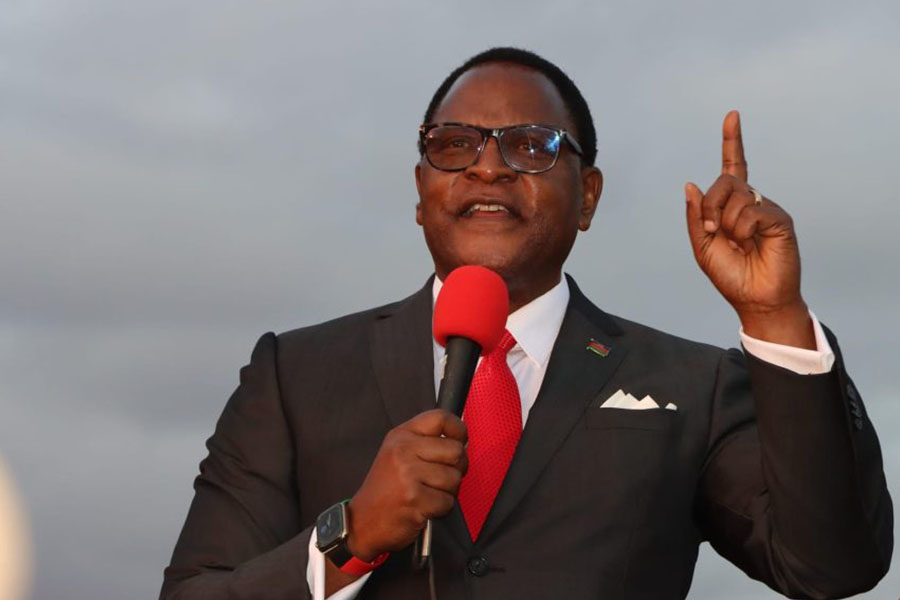
Starting with the Malawi Congress Party (MCP), its President Lazarus Chakwera is seeking a fresh mandate from Malawians after completing a first term that can best be described as a mixed bag.
Depending on one’s perspective, the term has seen some campaign promises fulfilled, while a significant number have remained unfulfilled or turned into empty pledges.
This time around, Chakwera and the MCP have made even more ambitious campaign promises, backed by substantial financial commitments.
According to the party’s manifesto, the Chakwera-led administration is determined to create a new generation of multimillionaires by identifying 10,000 individuals across all 229 constituencies and providing each with a loan of 10 million kwacha.
In addition, the party has pledged to create Malawi’s first poverty-free generation by establishing a “Tsogolo Account” for every newborn, with a one-time deposit of 500,000 kwacha to be invested until the child turns 18.
According to UNICEF, no fewer than 500,000 babies are born annually in Malawi.
To fulfill this promise alone, the MCP government would need to allocate 250 billion kwacha each year to fund the Tsogolo accounts. Over a five-year term, the party would also require 100 billion kwacha to provide the 10 million kwacha loans to the selected 10,000 individuals.
Despite the scale of these pledges, MCP spokesperson Jessie Kabwira remains confident that they are achievable.
"In the second term of Dr Chakwera we are looking at increasing what we have already started, so that the youth are not only better financially, but they are the true engines of this economy," she says.
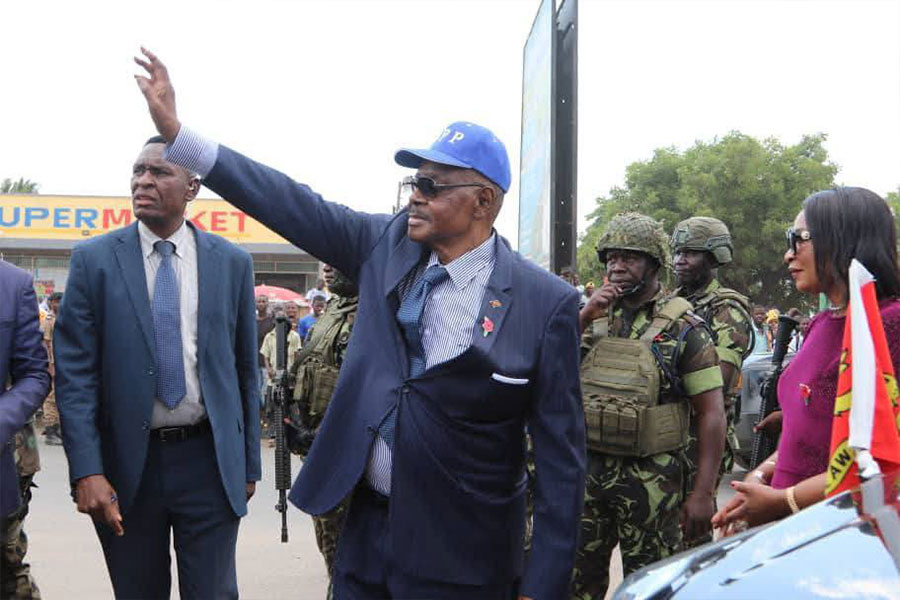
Turning to another perceived major contender in this election—the Democratic Progressive Party (DPP)—it too has made several high-cost pledges.
The DPP is aiming to return its president, Peter Mutharika, to State House, after losing favour in the previous fresh election.
In its manifesto, the DPP promises to allocate 5 billion kwacha per constituency for development projects if voted into power. With 229 constituencies nationwide, this would amount to approximately 1.145 trillion kwacha per financial year.
The party also pledges to introduce free secondary school education. However, since the introduction of free primary education, the country’s education standards have arguably declined—due to factors such as inadequate funding, dilapidated infrastructure in government-run schools, and poorly remunerated teachers.
These challenges have persisted, including during Mutharika’s previous term.
Shadreck Namalomba, spokesperson for both the former president and the DPP, insists the party is committed to turning these pledges into reality.
"His excellency Professor Arthur Peter Mutharika has said it that he doesn't have any other reason whatsoever to get into government only that reason, that Malawians are crying.
"He needs to yo make sure that the tears are wiped out, we have food on the table, we have a stable economy," Namalomba stresses.
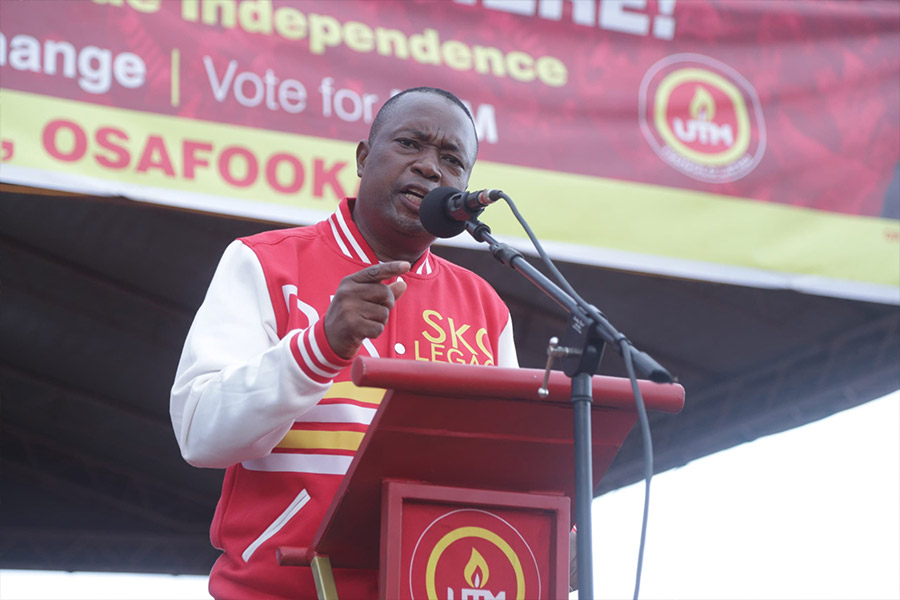
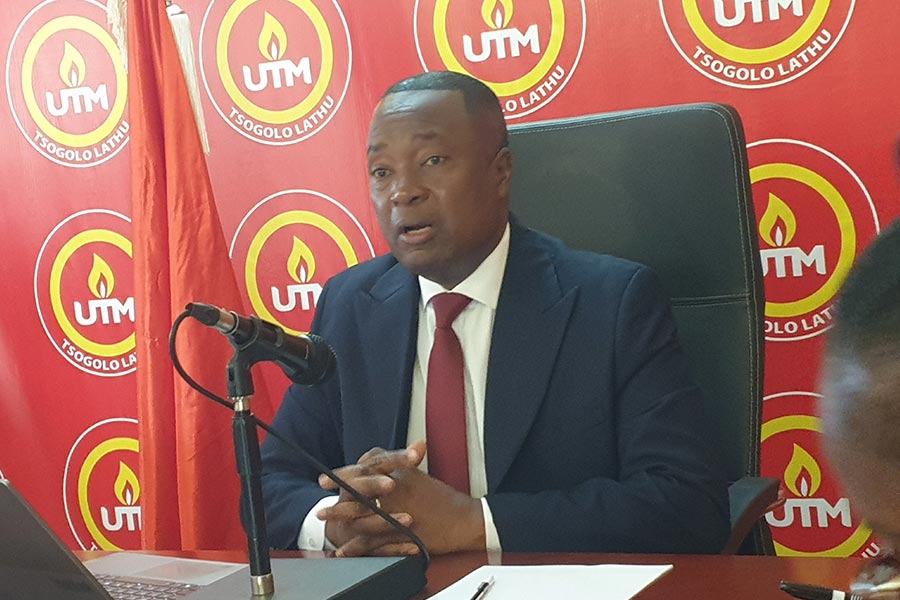
The final perceived major contender in these elections, the UTM, has similarly made promises that would require spending billions of Malawi Kwacha—raising questions about the source of funding for such ambitious plans.
Dalitso Kabambe, president of the UTM, has pledged to allocate 100 billion kwacha to each district council, arguing that this will help eliminate inequalities in development across the country. For the 28 districts, this would mean a total of 280 billion kwacha allocated to district councils in the national budget.
UTM publicist Felix Njawala says the party aims to launch a “third revolution” of economic emancipation, with a proposed investment of 500 billion kwacha across four key sectors: agriculture, mining, manufacturing, and one other yet to be specified.
He argues. "The problem we have now is that the funds are allocated to areas just for consumption, so when we are coming as UTM, we are saying lets invest this money."
A closer look at the manifestos of the three perceived major contenders in this election reveals that none are giving Malawians the full picture of the consequences tied to their ambitious pledges.
According to Mavuto Bamusi, Spokesperson of the Political Science Association of Malawi, the excessive promises made by the presidential hopefuls could significantly impact public debt if any of them are voted into power.
"If there is little care in terms of implementation of the campaign promises, we may result into a situation where the party that wins will have a government that will be forced to borrow and borrow more.
"And that is going to result into an ever increasing public debt," Bamusi laments.
Bertha Phiri, Executive Director of the Malawi Economic Justice Network (MEJN), shares similar concerns.
She warns that the economy could continue to be suffocated if these promises are implemented under the current financial conditions, which are marked by high inflation.
Phiri predicts dire consequences for the very voters these pledges aim to attract.
"Projections about economic growth are very low, the point is that are those promises realistic?
"For us we say, they are not realistic. It actually symbolizes that there will be compulsory social payment than development," she says.
But how are voters responding to the flood of promises made by the major contenders in the upcoming September 16 elections?
To get a sense of public sentiment, we spoke to a few registered voters randomly selected from Mzimba, Mchinji, and Chikwawa.
"The promise of K500,000 per newborn child is not attainable, how many children are born in the hospitals?
"Leaders should consult others on their promises," says Leonard Zangati from Chikwawa.
"If we talk of K1 billion to district councils, I don't think this is achievable, unless they could channel this money to other developments," argues Rosemary Kwinika from Mzimba.
"We have seen the DPP manifesto, telling us of K5 billion for development per constituency, I don't think this is true.
"It is my plea to political parties to be realistic to make promises that are realistic," hints Andrew Chiphwanya from Mchinji.
The concerns raised by Malawians are not unfounded—they stem from real and persistent issues.
The Malawi Council of Churches has expressed concern over the manifestos released by major political parties, stating that they are filled with empty promises disguised in appealing language.
According to the Council’s General Secretary Reverend Chikondi Alemekezeke Phiri, the fear is that Malawians continue to be deliberately targeted by politicians using deceptive tactics, undermining genuine democratic engagement.
"The rhetoric on the campaign is the same old rhetoric that we are going to give you this, give you that.
"But there are no tangible programs that will uplift the economy of the country, and especially issue of expenditure control, no political party has come up clearly on that one," he says.
As the campaign period draws to a close, politicians might do well to reflect on advice recently shared by Prophet Shepherd Bushiri on his Facebook page.
He urged them to abandon the habit of deceiving Malawians with empty promises and lies.
Instead, he called for greater transparency, encouraging leaders to be honest about what they can realistically deliver, and what lies beyond their reach.