








ZODIAK ONLINE
ArtBridge House, Area 47
Sect. 5, P/Bag 312
Lilongwe, Malawi
Sect. 5, P/Bag 312
Lilongwe, Malawi

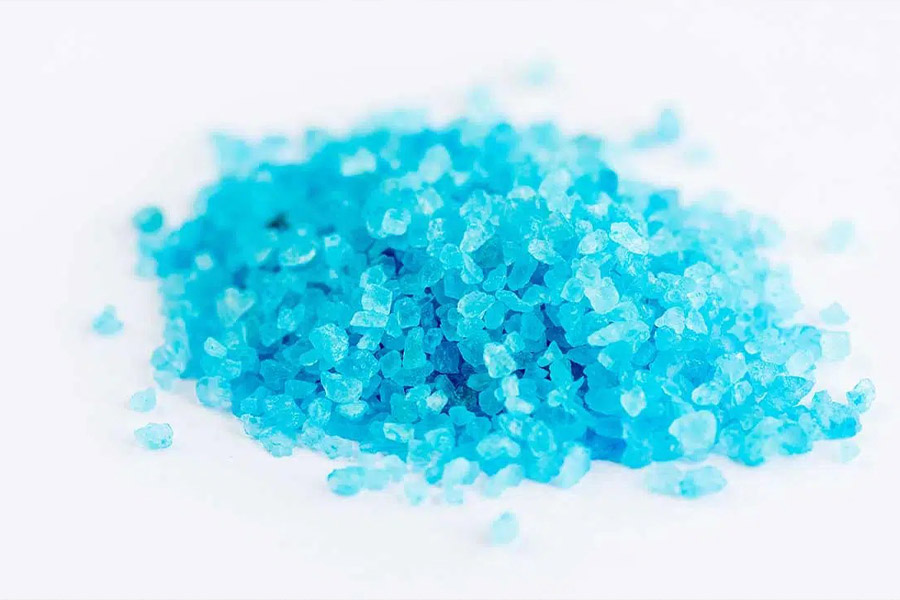
A ruthless drug syndicate is thriving in Blantyre, where a dangerous surge in crystal meth use is destroying young lives while authorities remain largely silent.
From Ndirande to Machinjiri, Chirimba, Mbayani, and Lunzu, the trade in crystal methamphetamine — a powerful synthetic stimulant — has taken root, ensnaring boys and girls as young as 15.
The drug’s effects are devastating: irreversible brain damage, severe psychological illness, and a spiral of addiction.
During a month-long undercover investigation, I discovered disturbing methods of consumption. Youths are dismantling coil light bulbs, cleaning out the powder, inserting crystal meth, and connecting pen pipes to smoke the toxic crystals with the aid of lighters. The consequences are dire.
At Zomba Mental Hospital, over 70 percent of patients admitted are young people—many of them meth addicts.
A Life Trapped in Addiction
Michael, 22, from Machinjiri, recalls: “I started using crystal meth because of peer pressure. At first it was exciting. But now I’m trapped. I can’t sleep. I’m always angry. My life is not the same anymore.”
Michael’s story is echoed across Blantyre’s townships. Behind the smiles of young people lies deep addiction. At one shebeen, I witnessed 20 youths smoking meth through modified bulbs and pen pipes.
“It’s addictive. It affects the brain. Several of my friends have mental health issues. Addiction leads to stealing — you always need money. Crystal meth is like a disease now, spreading like an STI,” Michael admitted.
Idleness and Easy Access
The epidemic is fueled by idleness and lack of recreational facilities. Once-vibrant youth spaces have collapsed, leaving young people vulnerable.
Joseph Josiah of the Pharmacy and Medicines Regulatory Authority confirms crystal meth is illegal under Malawi’s Dangerous Drugs Act.
Mental health expert Dr. Alex Zumazuma warns: “The impact is dire. Society must limit availability of the drug and instead provide recreation centres and jobs to keep youths occupied.”
But while experts call for action, powerful individuals are cashing in. For as little as K2,000, youths can buy 10 grams of meth.
Voices from the Ghettos
George from Machinjiri explains: “When you start, it’s hard to stop. You can go a week without sleep, then collapse. A friend of mine now has serious mental health problems.”
Benson adds: “Girls are using it too. Alone, I use one packet. With friends, we use several.”
Chisomo, a jobless plumber turned dealer in Lunzu, admits: “Lack of employment is a serious challenge. Selling meth is good business. If I had better work, I’d stop.”
Systemic Failure
Dr. Raphael Piringu, Director General of Zomba Mental Hospital, confirms: “Over 70 percent of our patients are young people using dangerous drugs.”
Former user Chrispine warns of police complicity: “Suppliers are tipped off before raids. Corruption frustrates efforts to curb the trade.”
Police spokesperson Beatrice Mikuwa insists authorities are working to dismantle the syndicate. Yet on the ground, users like Steve and William continue to smoke meth through coil bulbs, openly acknowledging the health risks.
A Daunting Task
Crystal meth is not manufactured in Malawi. It is imported. With porous borders, stopping inflows is a daunting task.
While law enforcement struggles, awareness and prevention remain critical. Providing young people with safe spaces, recreation, and employment opportunities may be the most effective counter-offensive against this growing epidemic.