









ZODIAK ONLINE
ArtBridge House, Area 47
Sect. 5, P/Bag 312
Lilongwe, Malawi
Sect. 5, P/Bag 312
Lilongwe, Malawi

A recent post-election observation report by Youth and Society has revealed that young people in Malawi remain largely excluded from decision-making structures, despite being the backbone of electoral participation.
The report, discussed during a stakeholder meeting in Lilongwe, highlights a growing gap between youth engagement during elections and their actual influence in governance — both nationally and at the district level.
National Coordinator for the Youth Decide Campaign, Mwandida Theu, says the findings expose a systemic imbalance.
“Young people are visible during elections, but invisible when it comes to leadership and decision-making,” she said, emphasizing the urgent need for reforms.
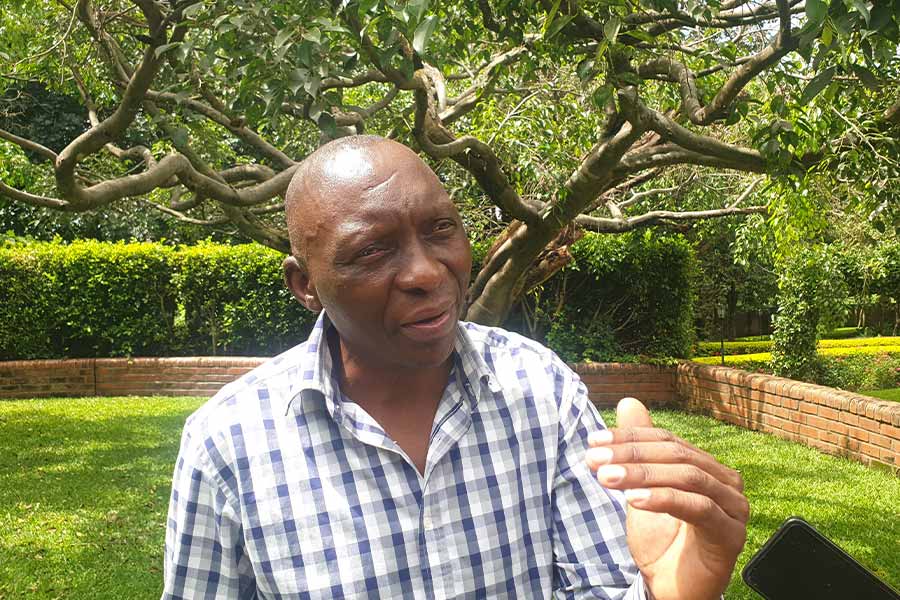
Currently, only 21 Members of Parliament are aged 35 and below. Political scientist Ernest Thindwa notes that this represents just 9.2 percent of elected MPs in 2025, a marginal increase from 5.7 percent in 2019.
“For a country where over half the population is young, these figures reflect systematic exclusion,” said Thindwa, pointing to structural barriers within political parties and governance systems that prevent young people from rising to leadership.
The report highlights that youth are often restricted to party youth wings, with limited influence over decision-making. Candidate selection processes favour older, financially stable aspirants, and local governance structures also fail to include meaningful youth representation.
Amid these challenges, the Parliamentary Youth Caucus is calling for stronger institutional reforms. Caucus Chairperson Jacob Joseph Kaumphawi urged lawmakers to pass a National Youth Development Act to formally recognize the caucus.
Kaumphawi said the law would allow the caucus to lead youth-focused debates, influence legislation, and ensure that youth priorities are consistently integrated into national policies — similar to the Women’s Caucus.
Despite Malawi’s national youth policy recommending 30 percent youth representation in decision-making structures, enforcement remains weak.
Theu emphasized that policies alone are insufficient without political commitment and active implementation.
To address this gap, the Youth Decide Campaign — supported by the Open Society Foundation — is rolling out a 2025–2030 Youth Manifesto. The initiative aims to maintain youth engagement between elections, integrate youth priorities into national and district development plans, and strengthen civic and political participation.
Analysts warn that continued exclusion of youth risks weakening democratic legitimacy, deepening policy disconnects, and alienating Malawi’s largest demographic. With more than half of the population under 35, the stakes could not be higher.