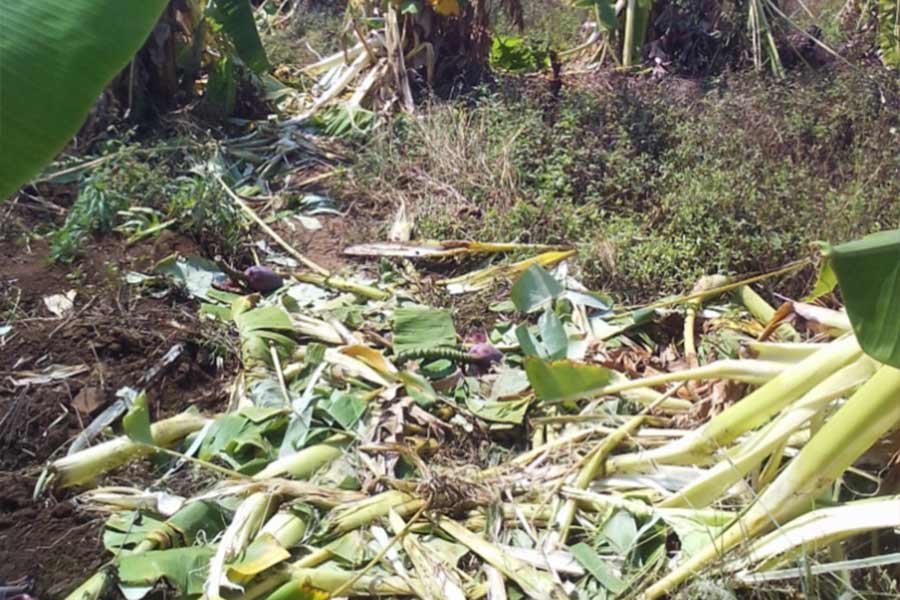



On August 14, 2025, Beston Mkwanda left his home near Vwaza Wildlife Reserve with a panga knife and a bundle of ropes. It was routine, cutting grass before heading back. But that morning, sixteen elephants had broken through the reserve fence.
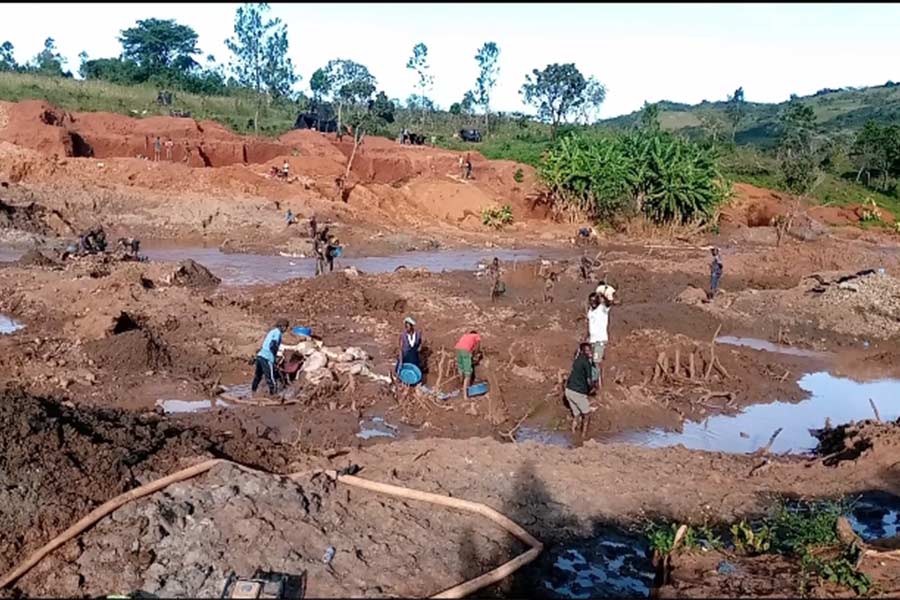
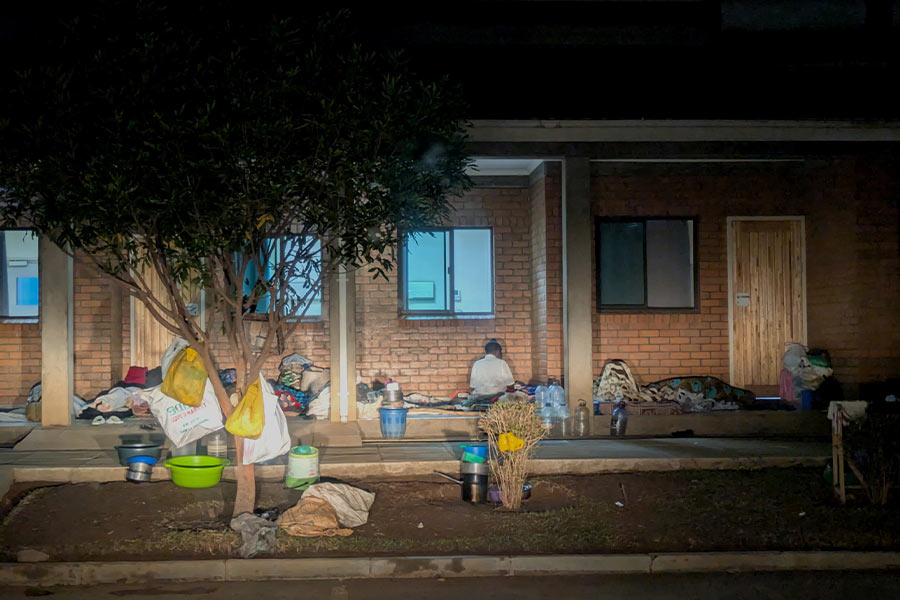
The night of April 7, 2026, did not just burn down the makeshift shelters of the Kamchocho gold miners and vendors, it incinerated the futures of women like 29 year old Rose Chirwa.
In a single hour of state sanctioned chaos under what is termed as Operation Samala Mgodi, the green hilly areas of Kamchocho were transformed from a land of opportunity into a landscape of screams and black smoke.
For Rose, the nightmare began with the splintering of wood.
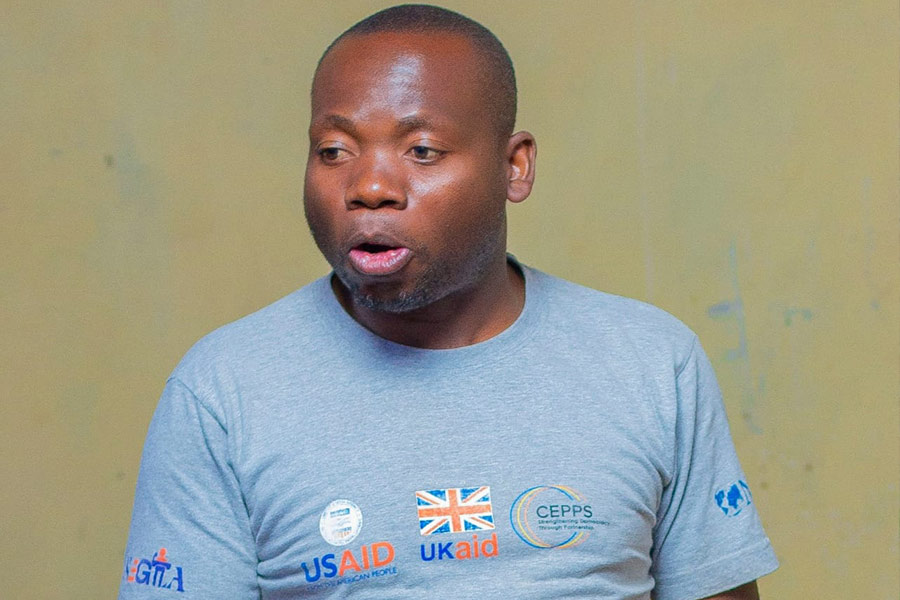
For many young people in Malawi who leave school prematurely, the path to a stable future often seems blocked. Enock Mtambalika from Kapopo, Mzimba, was one such individual who faced a stagnant existence after dropping out in Form Two.
"I was just staying at home doing nothing and was struggling to buy small, small things that I needed on a daily basis," he recalled.
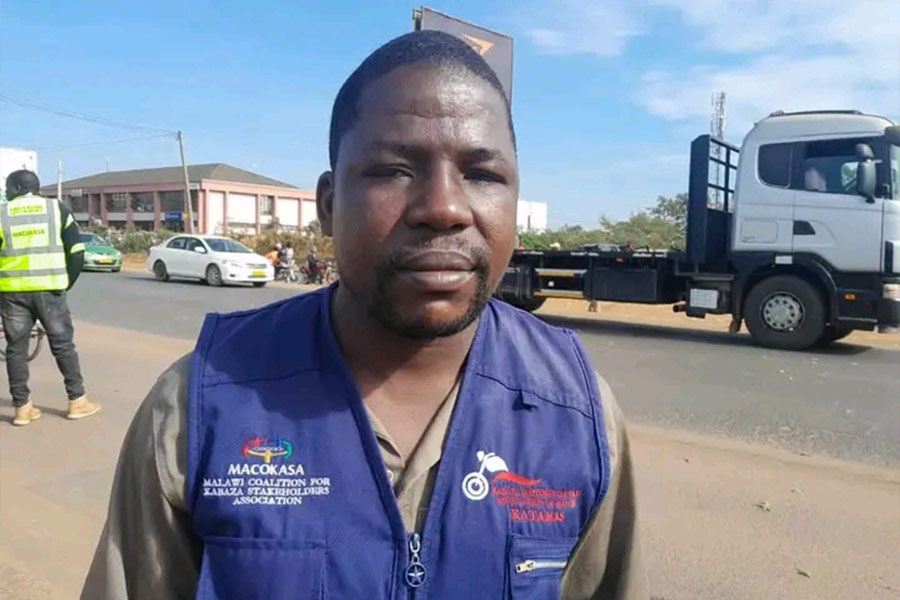
The Road Safety Alert Foundation (ROSAF) says it has intensified nationwide awareness campaigns aimed at reducing road accidents during the festive season.
The Malawi Human Rights Commission (MHRC) has identified persistent gaps in the protection of human rights, including reports of torture in prisons, limited access to justice, employment discrimination against persons with disabilities, climate-change-induced food insecurity, restricted livelihood opportunities, and inadequate access to healthcare.
Page 1 of 6