
















ZODIAK ONLINE
ArtBridge House, Area 47
Sect. 5, P/Bag 312
Lilongwe, Malawi
Sect. 5, P/Bag 312
Lilongwe, Malawi

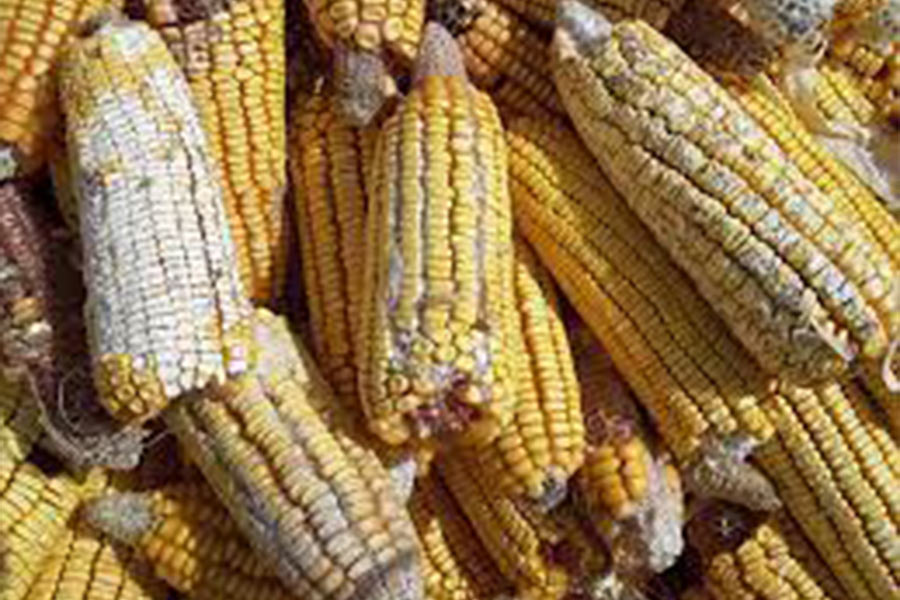
Food insecurity in Southern Africa is often framed as a problem of low production. But in Malawi, a quieter crisis is eating away at food security, massive post-harvest losses that leave millions without enough to eat, even when fields have produced.
Recent estimates from the World Food Programme (WFP) reveal that Malawi loses between 20 and 30 percent of its maize every year after harvest. That is roughly 600,000 metric tonnes, enough food to feed millions in a country where over four million people already face food insecurity. This is the maize that government annually invests in billions of money to aid farmers and increase production through the Farm Inputs Subsidies, mega farms among other initiatives.
In Thyolo district, farmers say the losses begin long before crops reach storage.
Dekster Elias Mpakaleya, a 45-year-old farmer from Semu Village, Senior Chief Khwethemule explains that desperation is forcing many households into risky decisions.
Mpakaleya says climate shocks and food shortages have increased crop theft, pushing farmers to pick maize prematurely just to secure something for their families. But early harvesting comes at a cost, reduced quality, lower prices, and higher spoilage.
“Because of hunger and theft in the fields, we are forced to harvest maize before it is ready. But when we harvest early, the maize has too much moisture and loses quality," he said.
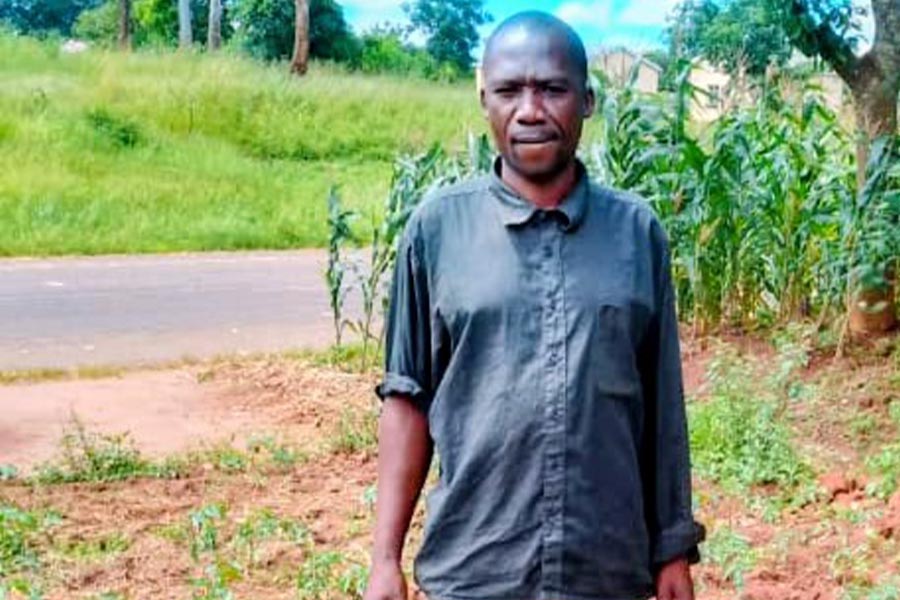
Another farmer, Frackson Mukhori from Maida Village, Traditional Authority Kapichi in Thyolo says the problem does not end in the field.
He said: "many farmers do not handle maize properly after harvesting, and some use poor-quality pesticides. This contributes heavily to the losses we see.”
Mukhori, however, observes that some food insecure families also sell the little they have to satisfy their appetite for a good life including drunkenness.
Without proper drying, storage, and pest control, harvested maize quickly deteriorates, making a bad situation worse.
In Nkhotakota, sugarcane farmer Lucy Chanza says poverty forces many to sell crops before they are even harvested.
“I sold my sugarcane field because I needed to meet my basic needs. We know selling early reduces profits, but we don’t have a choice. We need money for basic needs.”
This practice not only reduces farmers’ earnings but also disrupts the supply chain, contributing to inefficiencies and waste.
Malawi is not alone. Countries like Zambia, Mozambique, and Zimbabwe face similar challenges. Experts warn that post-harvest losses are doing more than wasting food, they are draining economies.
Lost crops mean wasted land, water, fertilizer, and labour, while also trapping farmers in cycles of poverty.
Agriculture expert Gresham Kamnyamata says solutions already exist, but they require discipline and support.
“It is really sad that farmers lose most of hard-earned yields to rodents, weevils and rotting. Farmers must follow proper practices, harvest on time, handle crops carefully, use improved storage, and control pests effectively," he said.
Spokesperson for the Ministry of Agriculture Salome Gangire acknowledge the scale of the problemaffecting both the quantity and quality of grain.
"To curb these losses, it's essential to harvest crops at the right time, handle them with care, and dry them properly. Farmers can use various methods to check moisture content, such as shaking grain in a tin, pushing their hand into the grain bulk, biting with teeth, or using the salt method," she said.
She added, "Proper drying and storage are crucial to preventing pest attacks and fungal growth. Farmers can use cribs, tarpaulins, or raised platforms to dry crops, and store them in well-ventilated areas protected from rain and rodents".
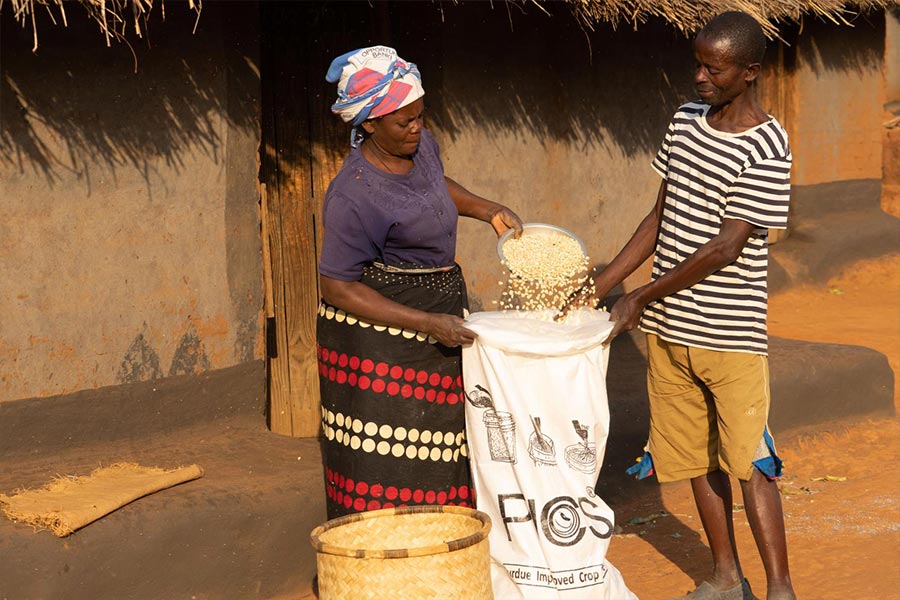
She further recommends improving storage facilities, such as using metal silos or hermetic storage bags like PICS Bags or GrainPro Bags, which can keep grains fresh for longer periods.
According to Gangire, these storage solutions can help prevent pest infestations and moisture damage, reducing post-harvest losses and improving food security.
The World Food Programme points to practical interventions that could dramatically cut losses such as d distribution of hermetic (airtight) storage bags, improved market access and linkages, investment in post-harvest infrastructure
Meanwhile, DVV International emphasizes the power of education.
Its 2023 report highlights that training farmers in better storage and handling practices could significantly reduce food waste and improve livelihoods.
Malawi’s vision of achieving food security and becoming a food surplus nation by 2063 remains ambitious, but fragile.
Unless post-harvest losses are tackled head-on, experts warn that increased production alone will not solve hunger.
Because for many Malawian farmers, the real challenge is no longer just growing food, it is making sure that food survives long enough to be eaten.