












ZODIAK ONLINE
ArtBridge House, Area 47
Sect. 5, P/Bag 312
Lilongwe, Malawi
Sect. 5, P/Bag 312
Lilongwe, Malawi

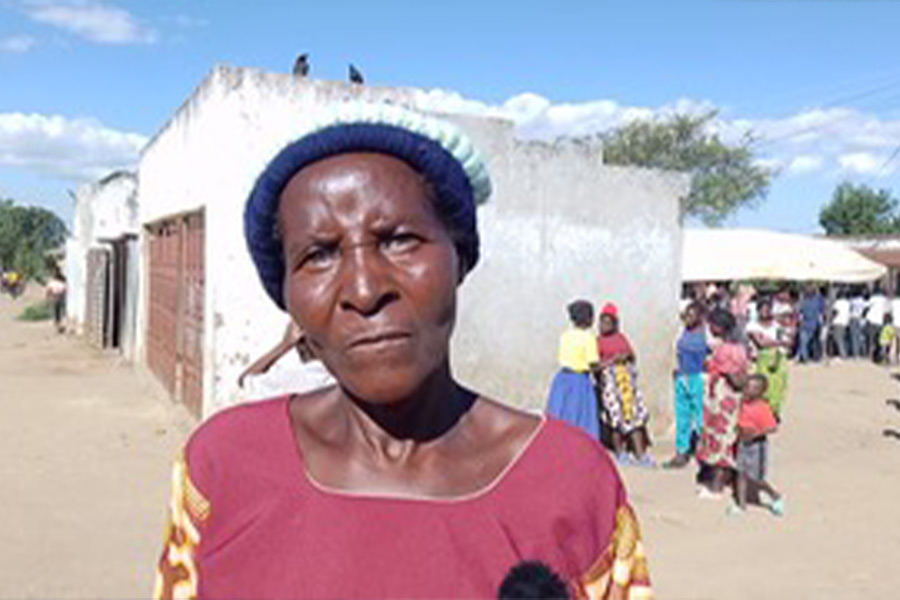
At 66, Esinati Mailosi from Thyolo still remembers the moment her world was shattered not with a loud bang, but with whispers. It was at a funeral.
In 2025, a relative died after a short illness. As mourners gathered in Samuti Village in the area of Senior Chief Boyidi, the atmosphere was heavy, not just with grief, but with suspicion.
In conservative Malawi, some deaths are deemed unnatural.
Voices dropped when she passed by. She was the suspect. In corners, people murmured about her.
She could feel it. Something was wrong. Before the burial even took place, the accusations came—unspoken at first, then unmistakable. They believed she had killed her relative.
“I received a message that the relative who was sick had passed on and I went to the house of mourning. Surprisingly, everyone was looking at me. Some were whispering. I could hear them talking about me,” she recalls, her voice still heavy with pain.
Then came the moment that confirmed her worst fear. She was told to leave the mourning home. No explanation. No defence. Just rejection. But it did not end there. What followed was terror.
“A group of people armed with panga knives started chasing me, baying for my blood,” she says.
At that moment, she was no longer a relative. No longer a neighbour. She was the target.
She ran. Heart pounding. Breath failing. Fear driving every step.
She reached her house, slipped through the back door, and fled again—this time to seek cover from members of the Older Persons Association (OPA), the only people she believed could save her.
They did. OPA members intervened, initiating dialogue with her relatives and calming a situation that could have ended in her death.
But even after escaping the mob, the fear did not leave her.
That night was the darkest of her life. Alone with her thoughts, broken by humiliation, hunted by the people she loved Mailosi reached a point where death felt like the only way to escape.
“During the night I thought of committing suicide…” She pauses. “So that my accusers could be happy and alive.”
The words carry the weight of someone who had already given up.
“If it had not been for OPA, I would have been killed or killed myself. They saved my life.”
Today, she lives peacefully with her relatives, but the scars remain.
And so does her plea: “People should stop accusing us of practicing witchcraft. We don’t know it.”
Mailosi insists she had nothing to do with the death of her relation. She survived. But not everyone does.
Across Malawi, elderly people are increasingly being accused of witchcraft—beaten, chased from their homes, and in some cases, killed.
In January this year, a 19-year-old student at Thekereni Community Day Secondary School in Thyolo allegedly killed his 89-year-old grandmother, Eurita Zunguza, after suspecting her of causing his illness.
He had been out of school for months. Sick.
Frustrated. Searching for answers, he found someone to blame—his grandmother.
He reportedly dragged her to a maize field and assaulted her until she lost consciousness. She later died at Changata Health Centre.
The violence is not random. It is often directed at the most vulnerable: the elderly, isolated, and defenseless.
According to MANEPO, 28 older persons were killed in 2025 due to witchcraft-related accusations, with over 200 cases of abuse recorded.
Behind those numbers are stories like Mailosi’s—stories of fear, betrayal, and survival.
Many perpetrators are not strangers. They are relatives. Children. Grandchildren. People the victims once raised and trusted.
Yet amid the fear, there are signs of hope.
Through Older Persons Associations, supported by the Malawi Network of Older Persons’ Organisations (MANEPO) under the Realising the Rights of Older People through Inclusive Social Protection for All, Accountability and Resilience Strengthening (ROAR) Programme, elderly people are beginning to rebuild their lives—not just socially, but economically.
Grants are helping them start small businesses, grow crops, and regain independence. For many, it is the first step towards dignity.
“This project focuses on promoting dignity, safety, and sustainable livelihoods for older people,” says MANEPO Technical Lead, Goodwell Thunga.
He explains that in 2025, K9 million was disbursed to nine associations in Thyolo and K3 million in Balaka. The programme, funded by Irish Aid through HelpAge International, is being implemented in Mozambique, Tanzania, Ethiopia, and Malawi, targeting about 70,000 older persons.
Thunga stresses that livelihood programs should also target the elderly as beneficiaries. “Initiatives such as farming and businesses have demonstrated that they are able to fend for themselves if given support. We also trained older people on digital literacy so they can do mobile money transactions themselves, because they were being exploited by grandchildren and others.”
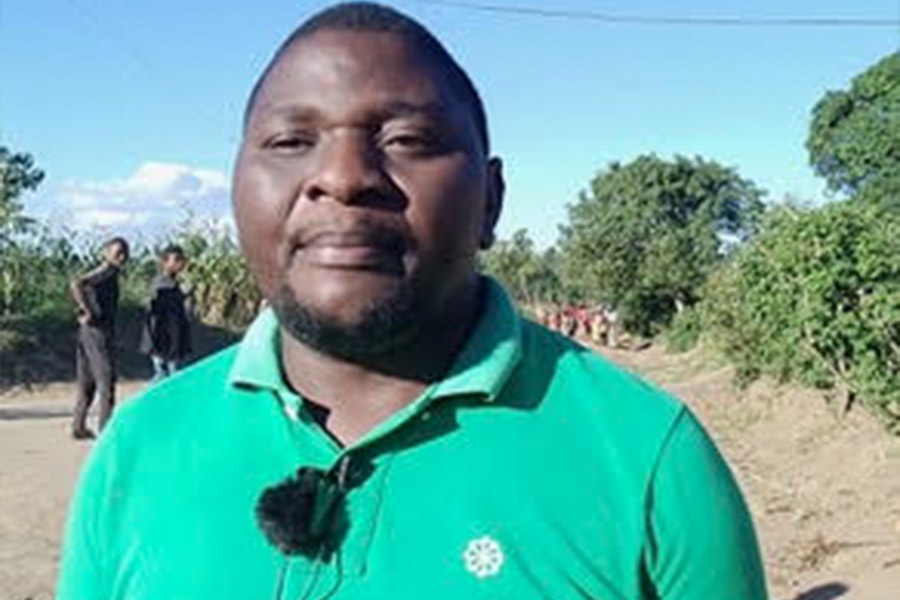
Beyond financial support, the programme is restoring something deeper—worth.
When older people can feed themselves, support others, and contribute to their communities, they are no longer seen as burdens. And when they are no longer seen as burdens, they are less likely to be targeted.
In Waluna Village, one OPA group used their K1 million grant to venture into tomato farming. In other areas, groups are raising livestock and growing maize, Irish potatoes, and cabbages.
“We got K1.7 million after harvesting. Now we are able to sustain ourselves and even help others,” says member Henderson Chauluka.
For them, farming is more than income. It is protection.
Traditional leaders are also speaking out.
Senior Chief Boyidi says communities must change how they see ageing. “Ageing
is not the same as witchcraft. They need our support.”
He adds, “Stakeholders need to support elderly groups with business capital and solar-powered pumps to enable their farming. I believe they will be considered in the new Constituency Development Funds (CDF). We are also advising victims to be careful with what they say when they have crossed paths with someone, such as swearing words, to avoid such incidents.”
Authorities admit the challenge is serious.
Director of Community and Social Services for Thyolo, Fedda M’bwana, describes abuse of the elderly as widespread and hailed MANEPO for its initiative. “The cases are very rampant. We are trying to sensitise communities, especially the youth who are the most perpetrators. You heard of a young man in the Nsabwe area who killed his granny last month over witchcraft allegations,” she says.
Despite slight variations in reported figures throughout the year, these incidents represent a persistent, severe threat to the safety of older citizens. Reports indicate that many abuses are committed by relatives, particularly the youth.
Government introduced the Older Persons Act of 2024 and a National Action Plan to protect elderly people, but changing laws is easier than changing beliefs.
Because at the heart of the violence is fear. Fear of illness. Fear of death. Fear of the unknown. And when answers are not found, blame is assigned—too often, to the elderly.
For Mailosi, survival came through intervention, dialogue, and a second chance. But her story is also a warning.
Without action, more lives will be lost. More families will turn against their own. More elderly people will live or die in fear.
Her voice, though soft, carries a message Malawi cannot ignore: “We are not witches. We just want to live in peace.”