







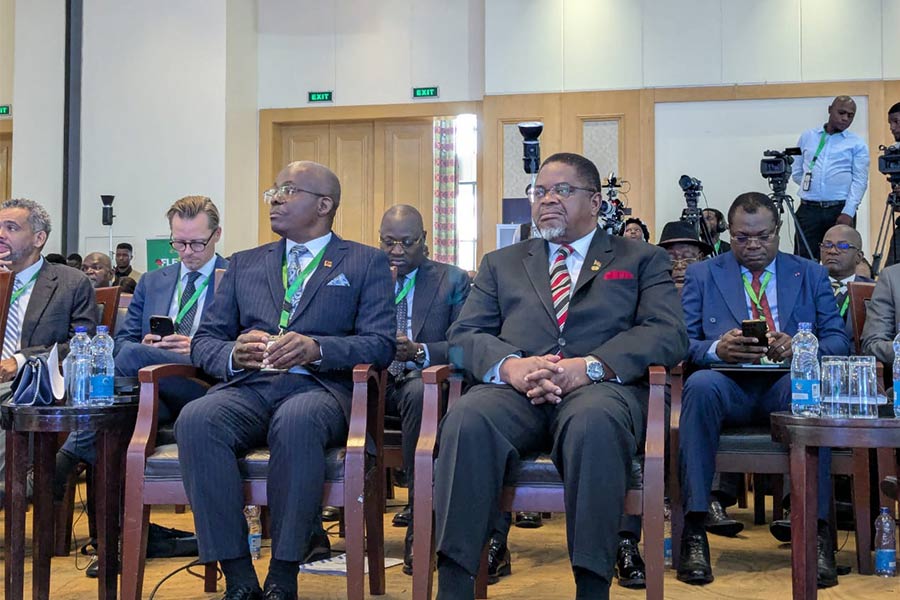
Africa’s future development ambitions could be undermined unless countries urgently address gaps in foundational learning, education leaders warned on Wednesday as they opened a continental meeting in Lilongwe.

Africa’s future development ambitions could be undermined unless countries urgently address gaps in foundational learning, education leaders warned on Wednesday as they opened a continental meeting in Lilongwe.

Malawi has made notable progress in human rights, political freedoms and access to education since attaining independence, but corruption continues to deny citizens the full benefits of that progress, the Lost History Foundation has said.
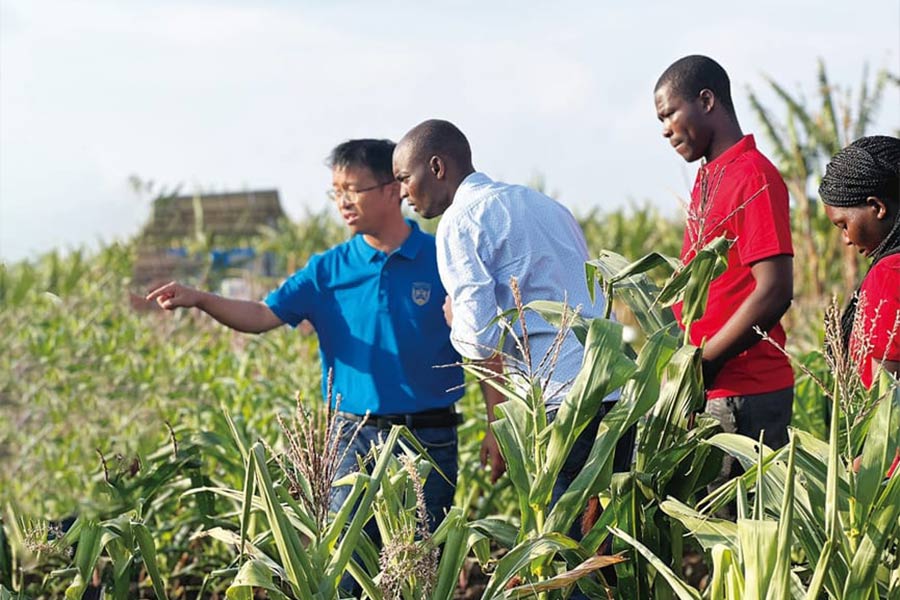
China and Malawi are two nations separated by over 10,300 kms but brought together by mutual respect and a genuine and unquenchable craving for knowledge and prosperity.
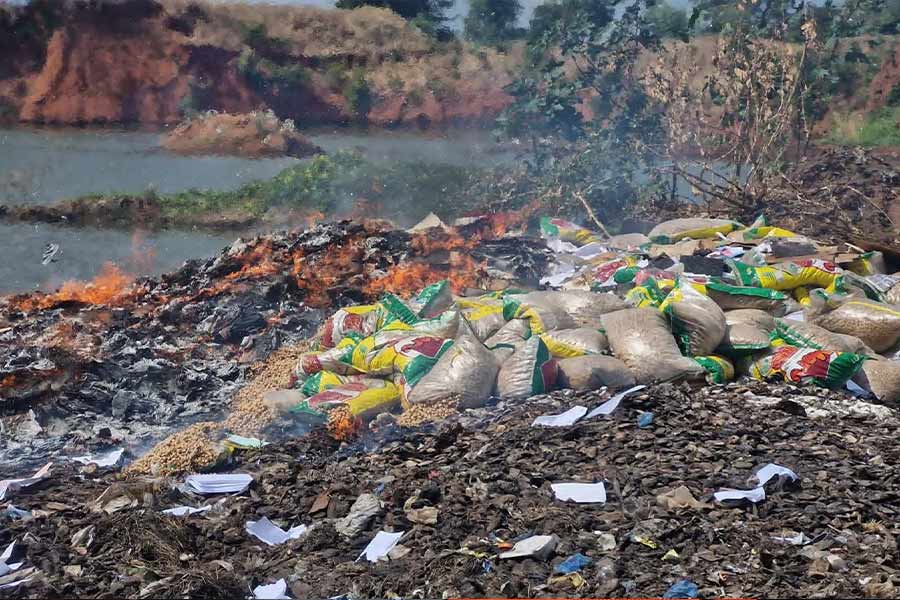
On a small plot in Katundu Village, Traditional Authority Chimaliro in Thyolo, John Grant counted his 4,000 tomato plants, applied fertilizer twice and invested another K15,000 in three kilograms of NPK 23-21-0+4S fertilizer from an agro-dealer at Goliati Trading Centre. A neighbor’s warning about that unscrupulous vendor sent him home to rub the granules between his fingers.

The dramatic foiling of a transformer vandalism attempt in Thyolo has become a powerful symbol of what can happen when communities, security personnel and law enforcement unite to protect national infrastructure.
Page 4 of 69